Bolivia is landlocked, 1 of only 2 countries in South America that are, so I understand why people skip it. It doesn’t yet have the massively popular draws like Machu Picchu, Galapagos or Patagonia that puts other countries at the top of tourists’ must-see lists. It also doesn’t yet have the buzz, mystique or romanticism in travelers’ eyes that a country like Colombia has (since visiting there I’ve met countless travelers who are quite anxious to visit). But I’ll tell you one thing… it is no question the most beautiful country I’ve visited in South America. It’s not even close.
The showstopper is Uyuni & all it has to offer but then throw in Lake Titicaca’s Isla del Sol, an impressive fun city like La Paz & 4 equally charming but vastly different cities I also visited in Potosi, Sucre, Samaipata & Santa Cruz. The vistas while traveling between the cities are stunning so unless it was a night bus & my sleep was aided by a pill, my eyes were glued to the scenery outside the windows. I didn’t even get to a place that was tops on my list… Rurrenabaque… Bolivia’s charming little town serving as a launching point for trips to the Amazon & Madidi National Park. It was far too deep into rainy season & I felt as if my luck just couldn’t carry me to the Amazon & would soon run out.
The people are as charming as the country itself. When told how long I was traveling in Bolivia (3 wks), they were happily taken aback & almost humbly incredulous that I’d spend that much time there. They’re quite a passionate & resolved people too as in nearly every city I visited (weo one… Copacabana), I ran into protests, environmental rallies & parades. Sometimes multiple events in a city. I really like their spirit. And I love their country.
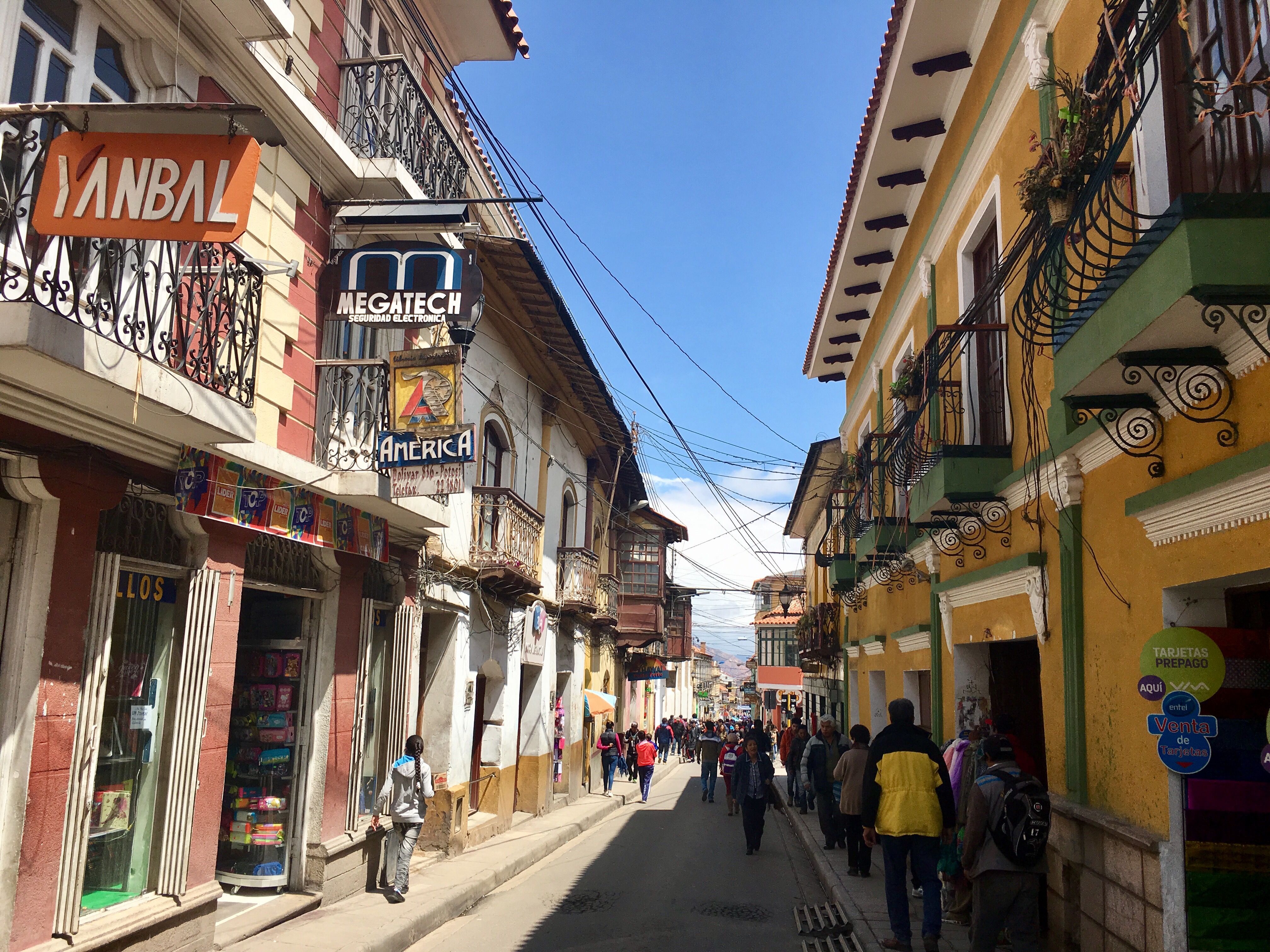
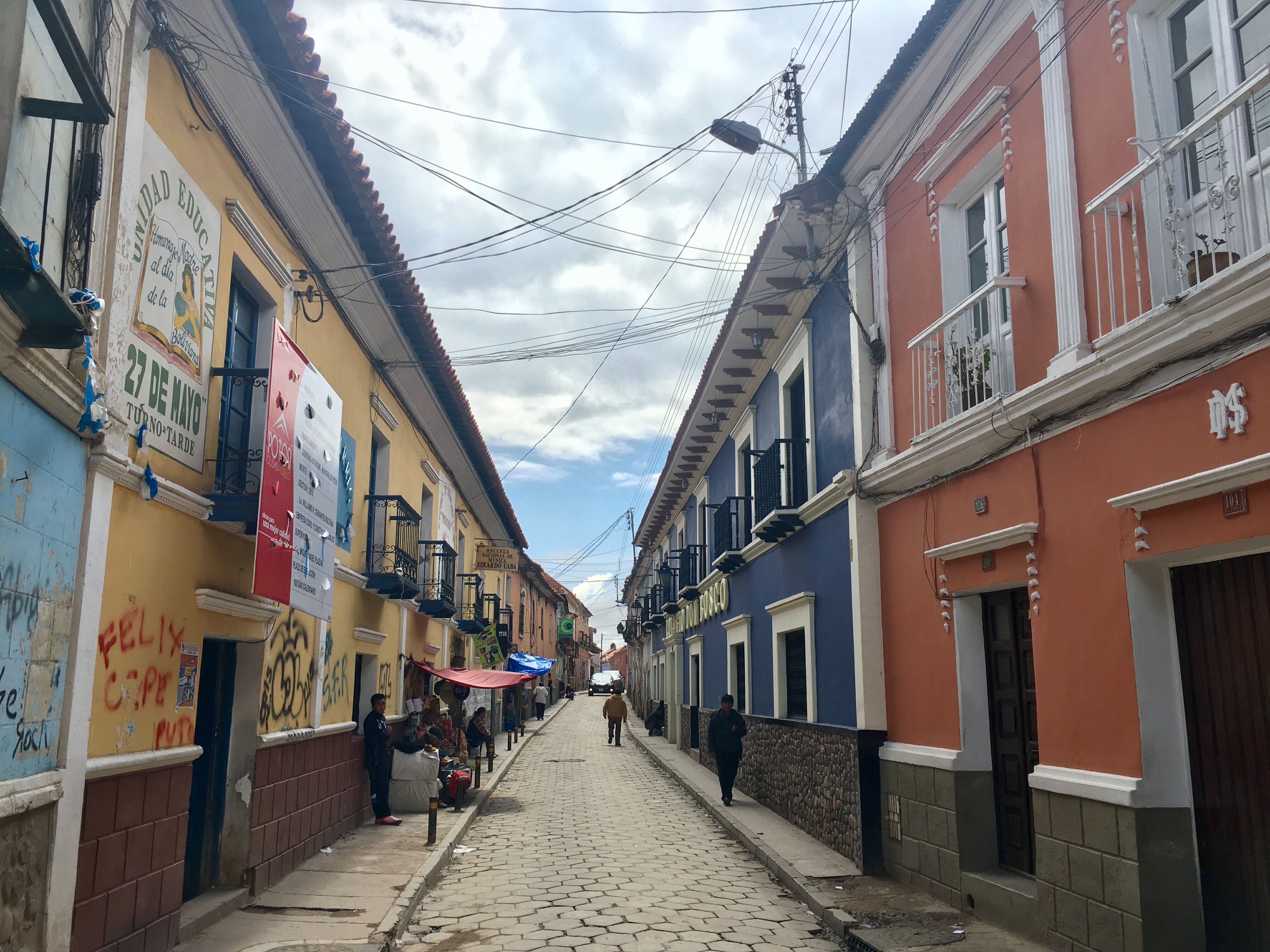
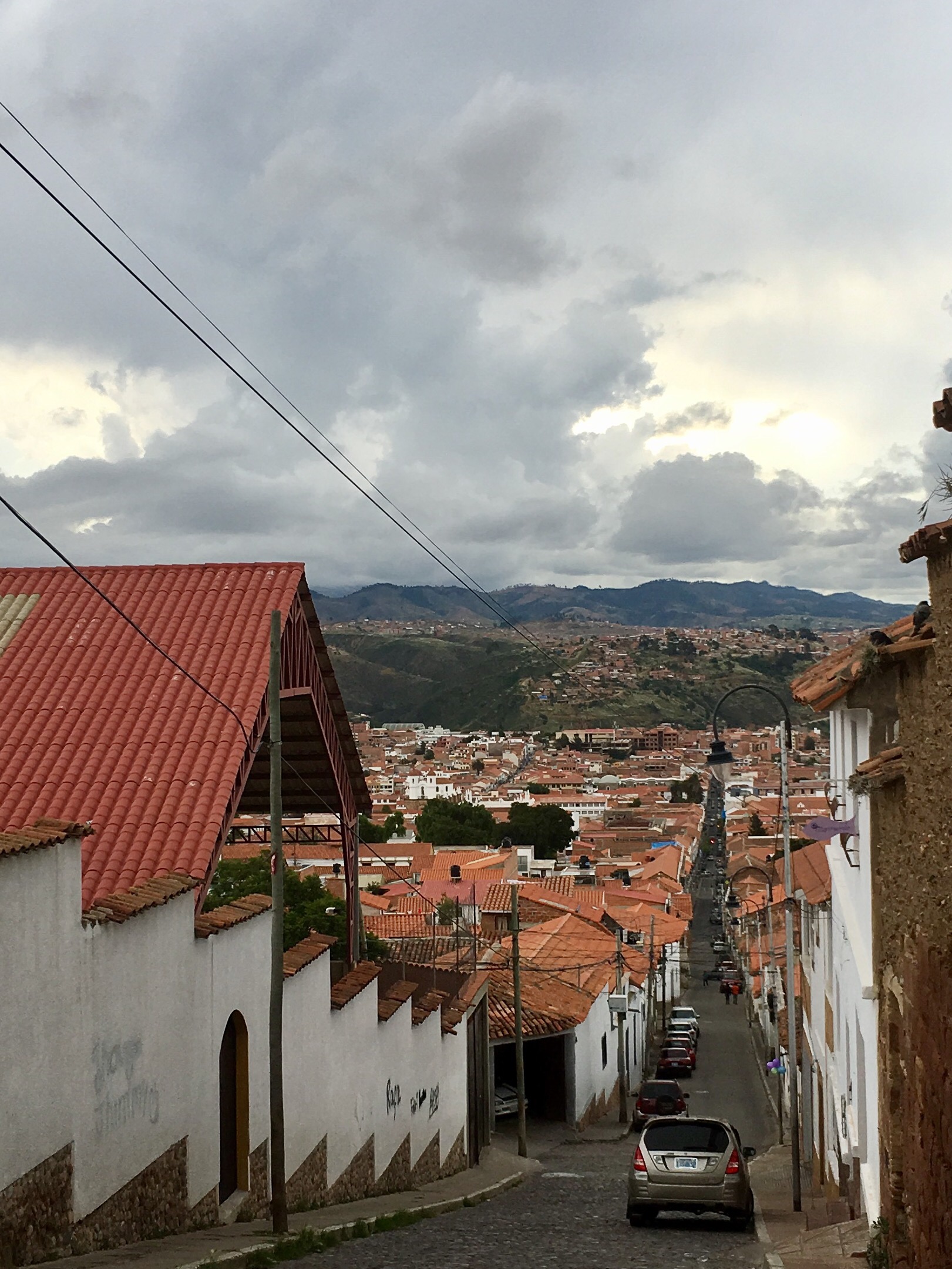
Potosi is generally considers the highest (large) city in the world which was no big deal for me bc by now, I was totally acclimatized. It’s known for its near perfect conical Cerro Rico, rising high above the city, & pockmarked w thousands of mines. Silver mining led to the wealth of this city & the deaths of many due to unsafe conditions. You can tour the Cerro Rico mines but I opted out as even safety conditions of the tours are questionable & I didn’t feel comfortable paying money to celebrate the workers’ poor conditions. So instead, I lazily toured the city, boasting some fine Spanish colonial architecture, as I made my way over 1.5wks from Uyuni NW to Santa Cruz.
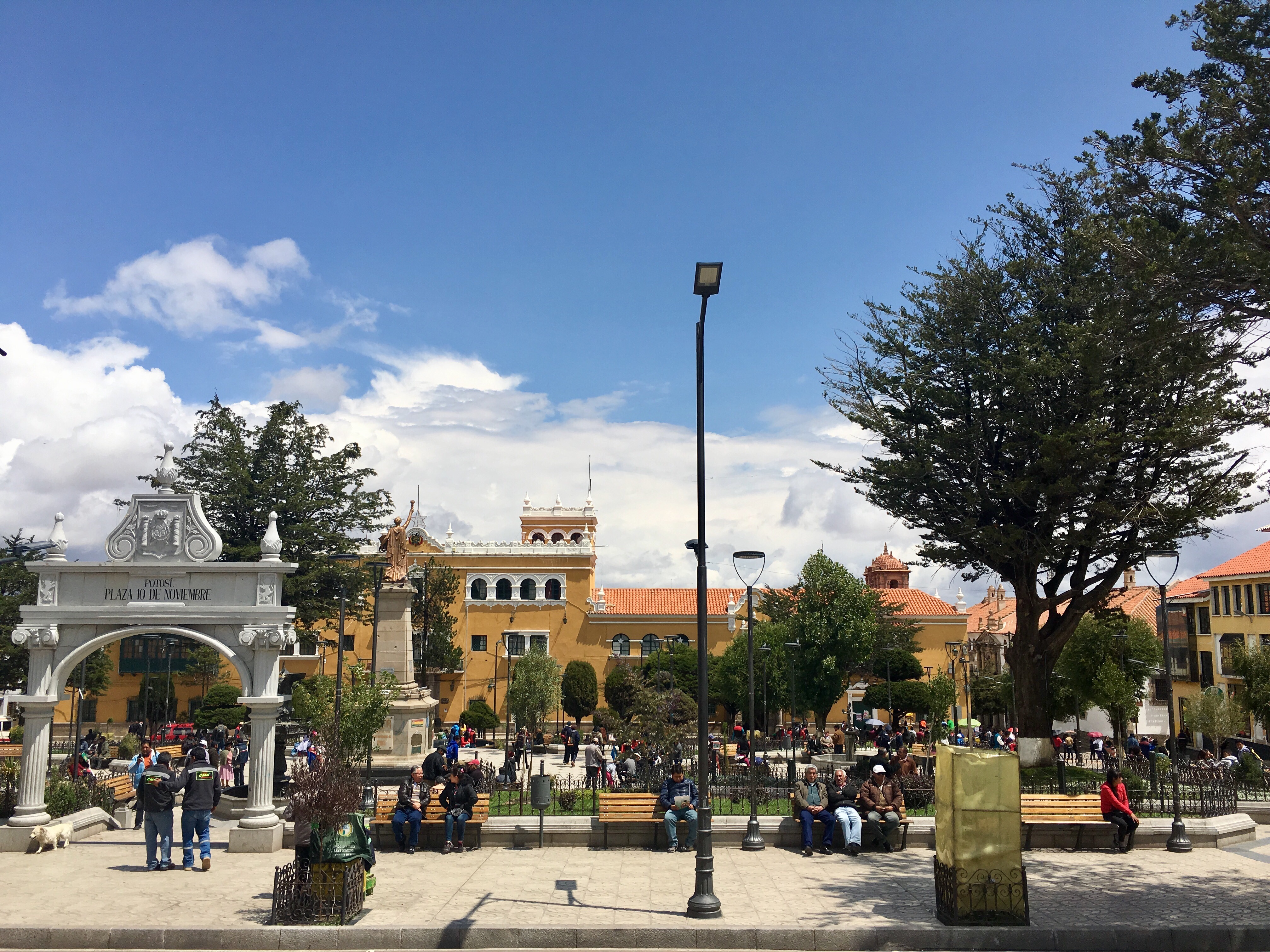
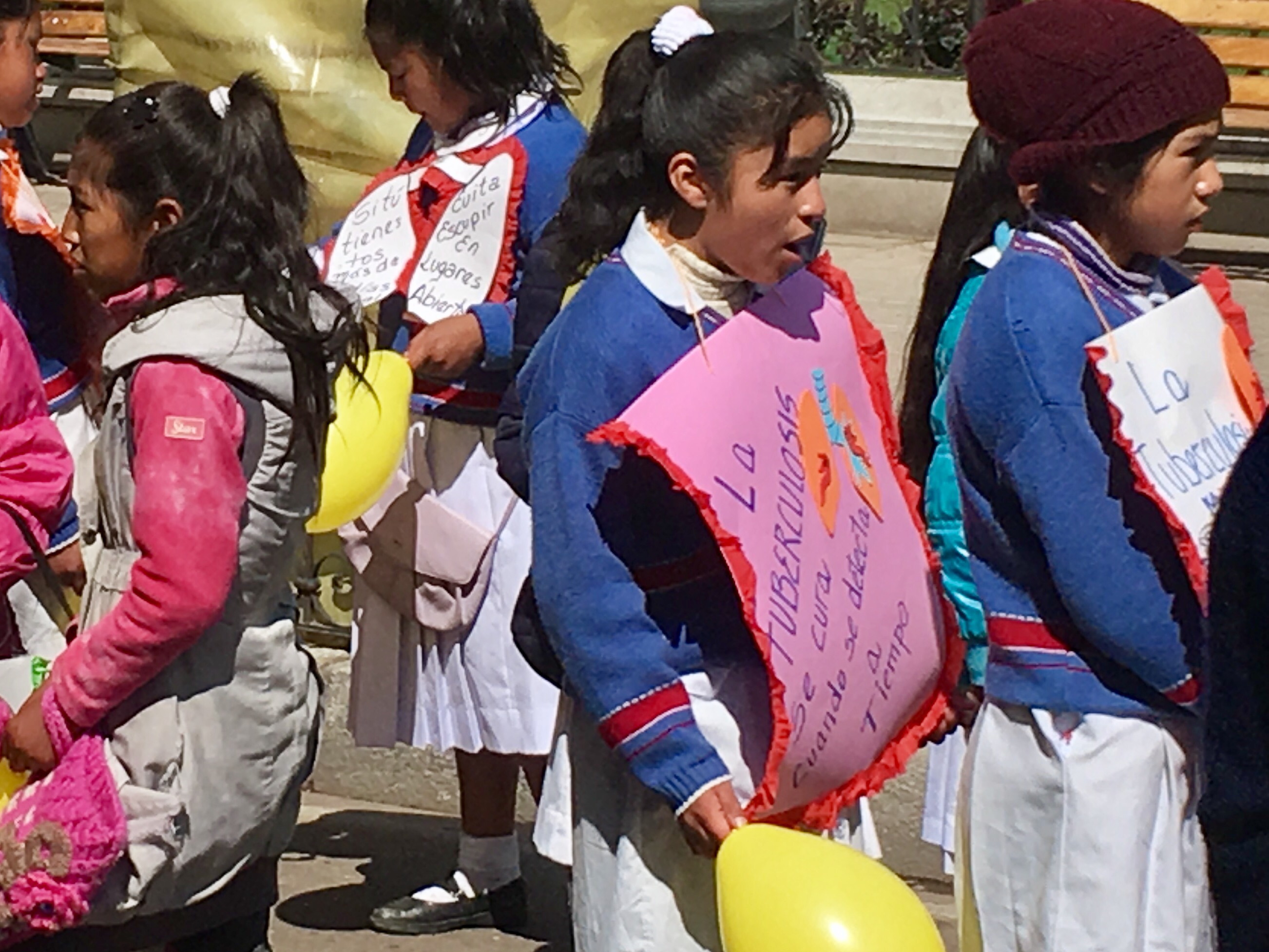
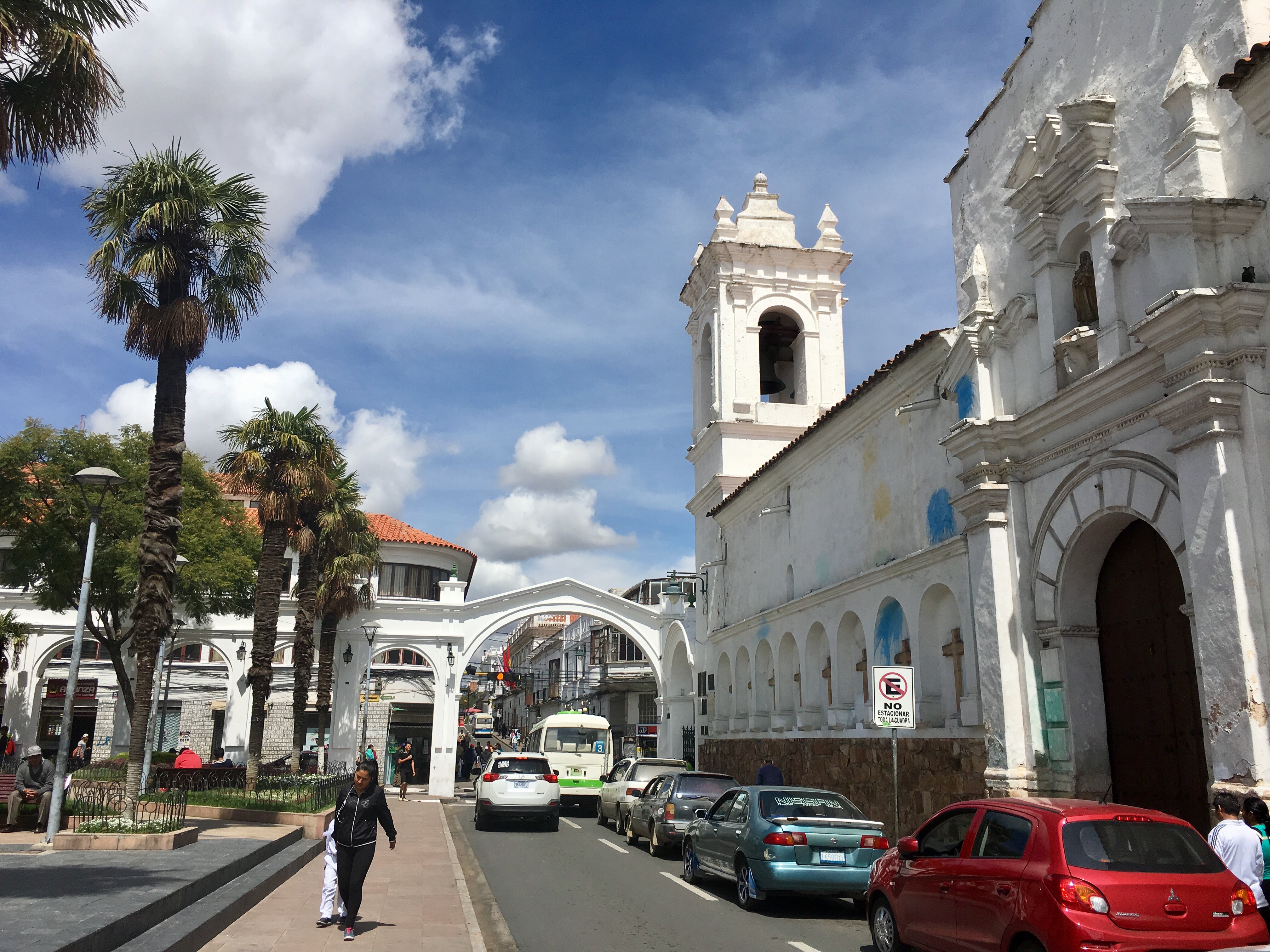
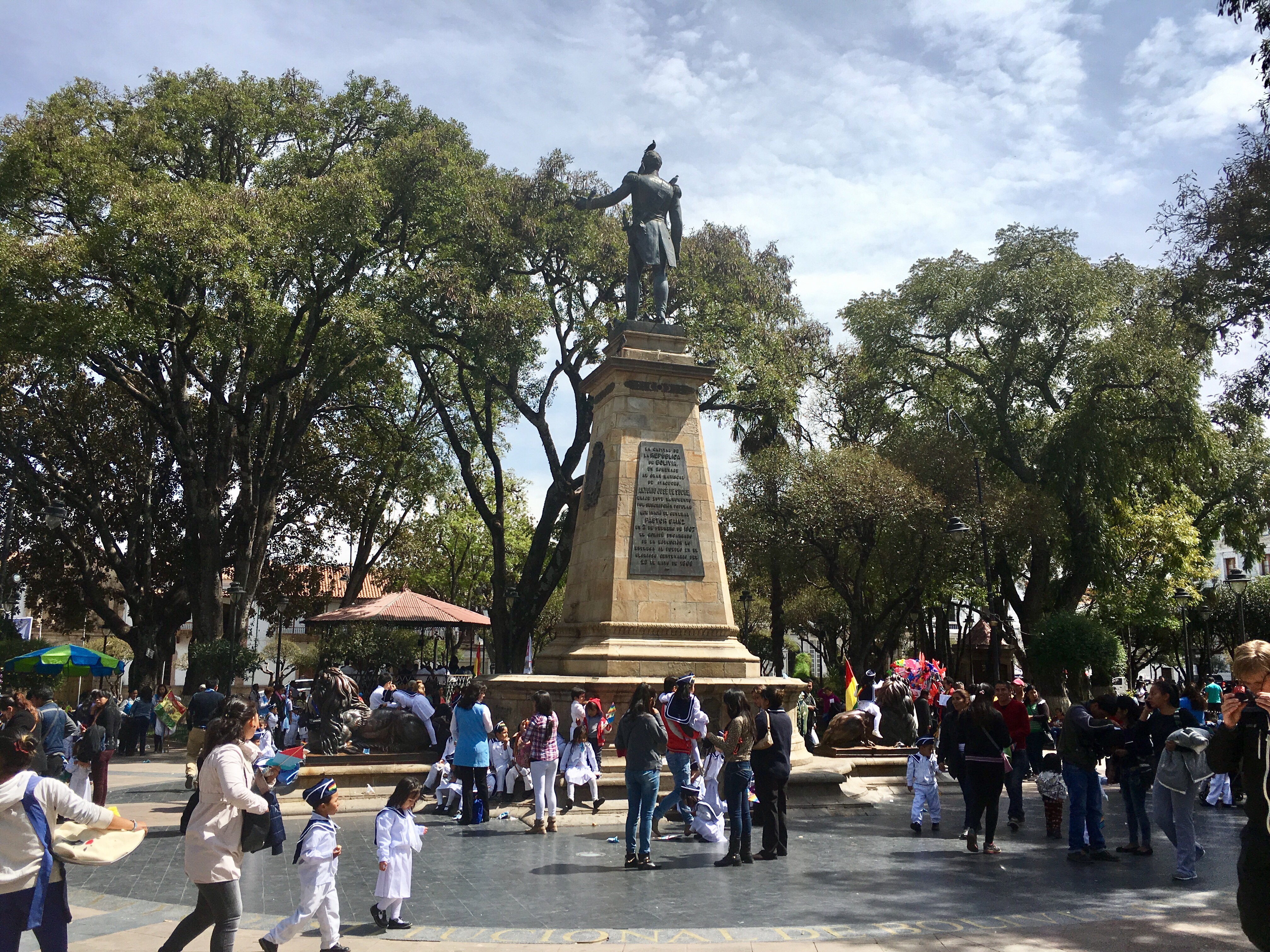
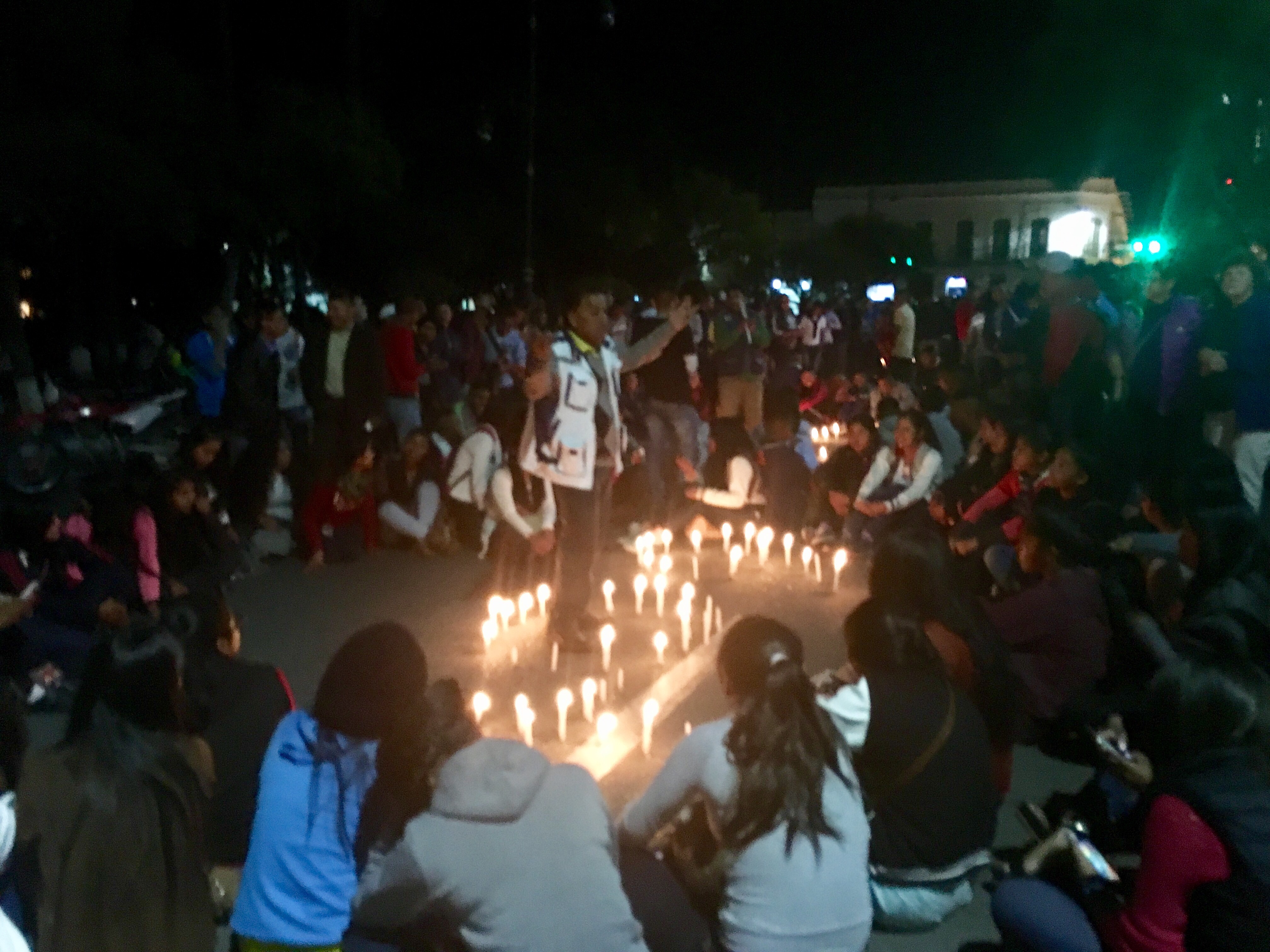
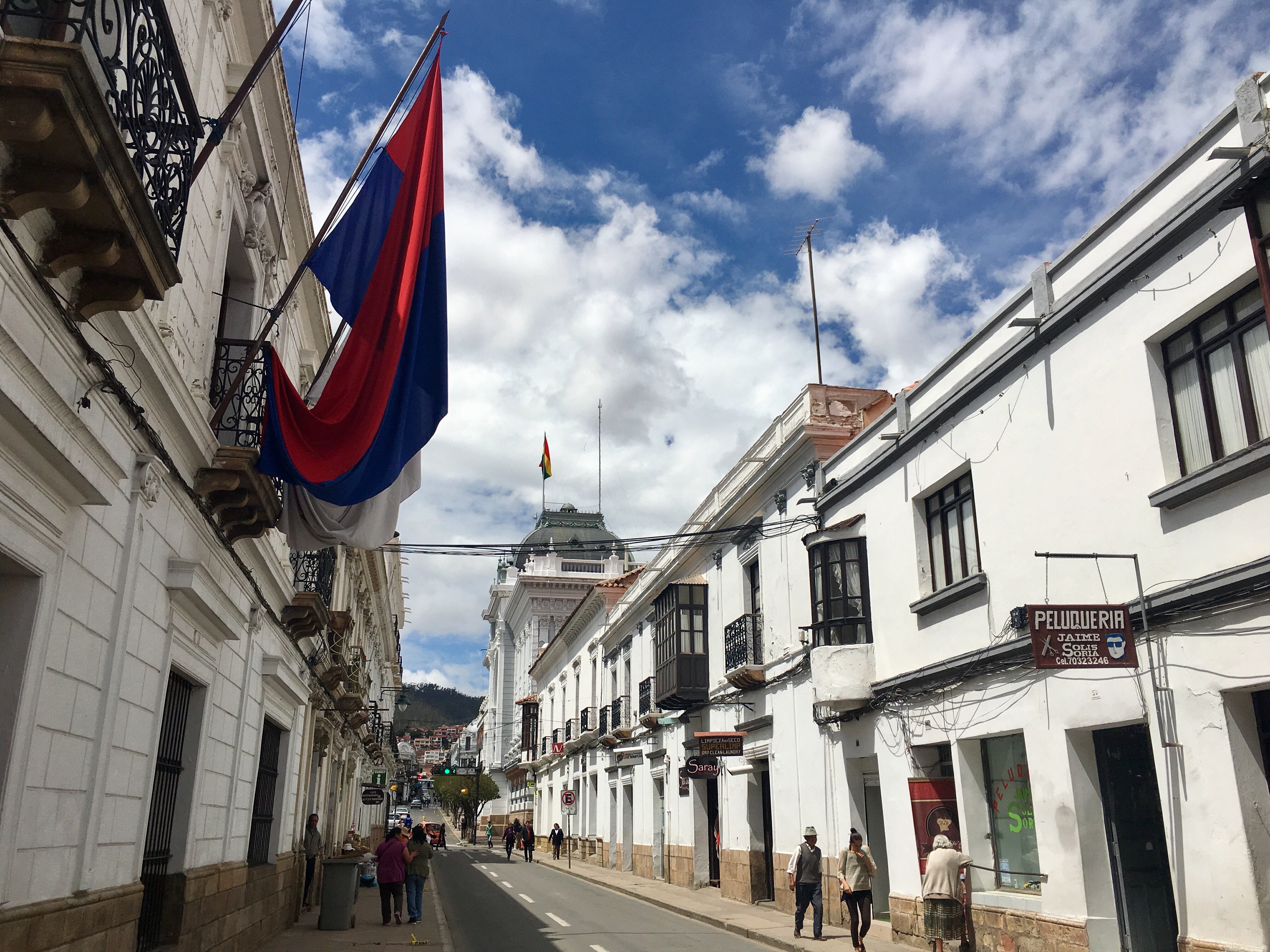
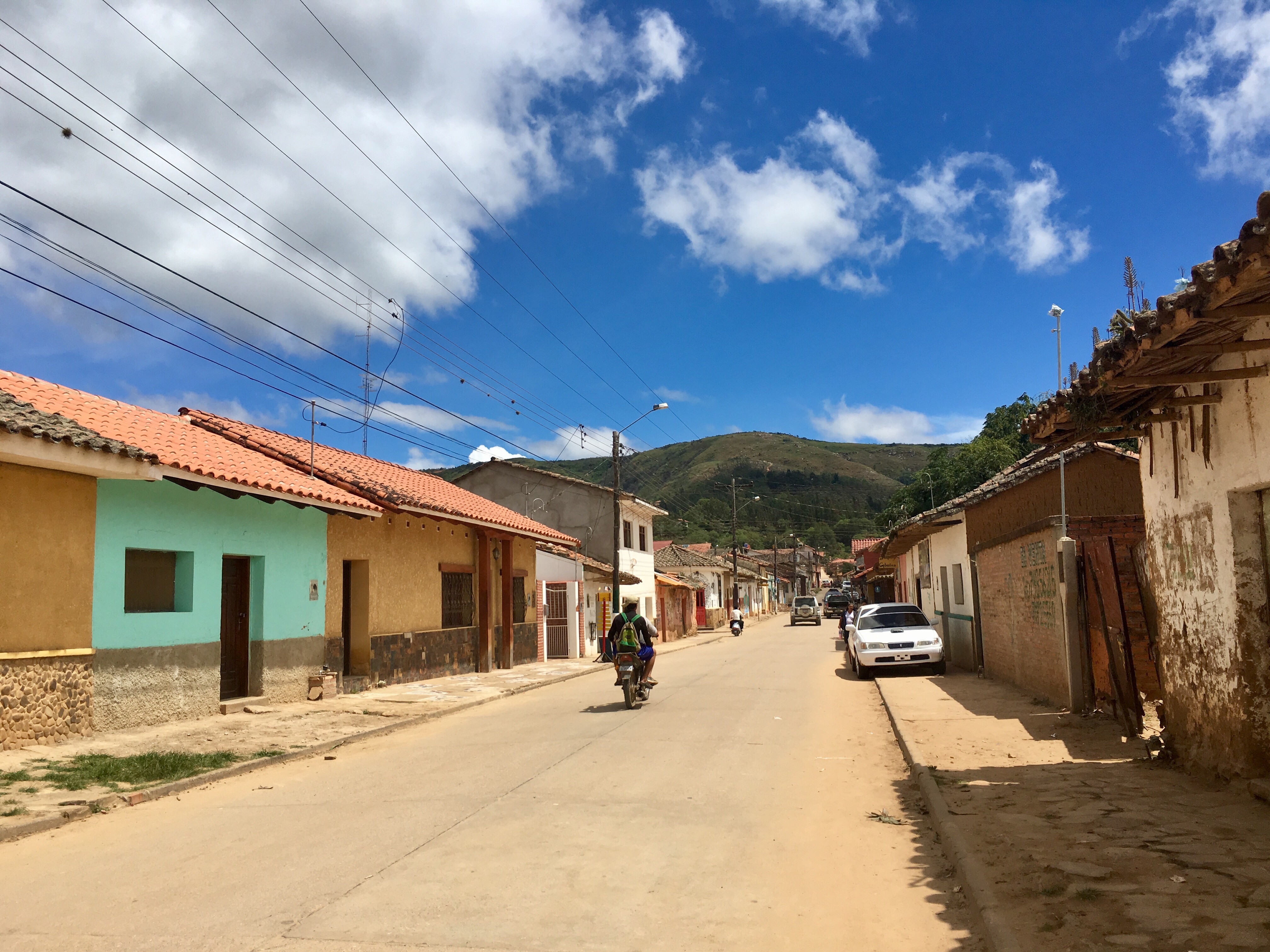
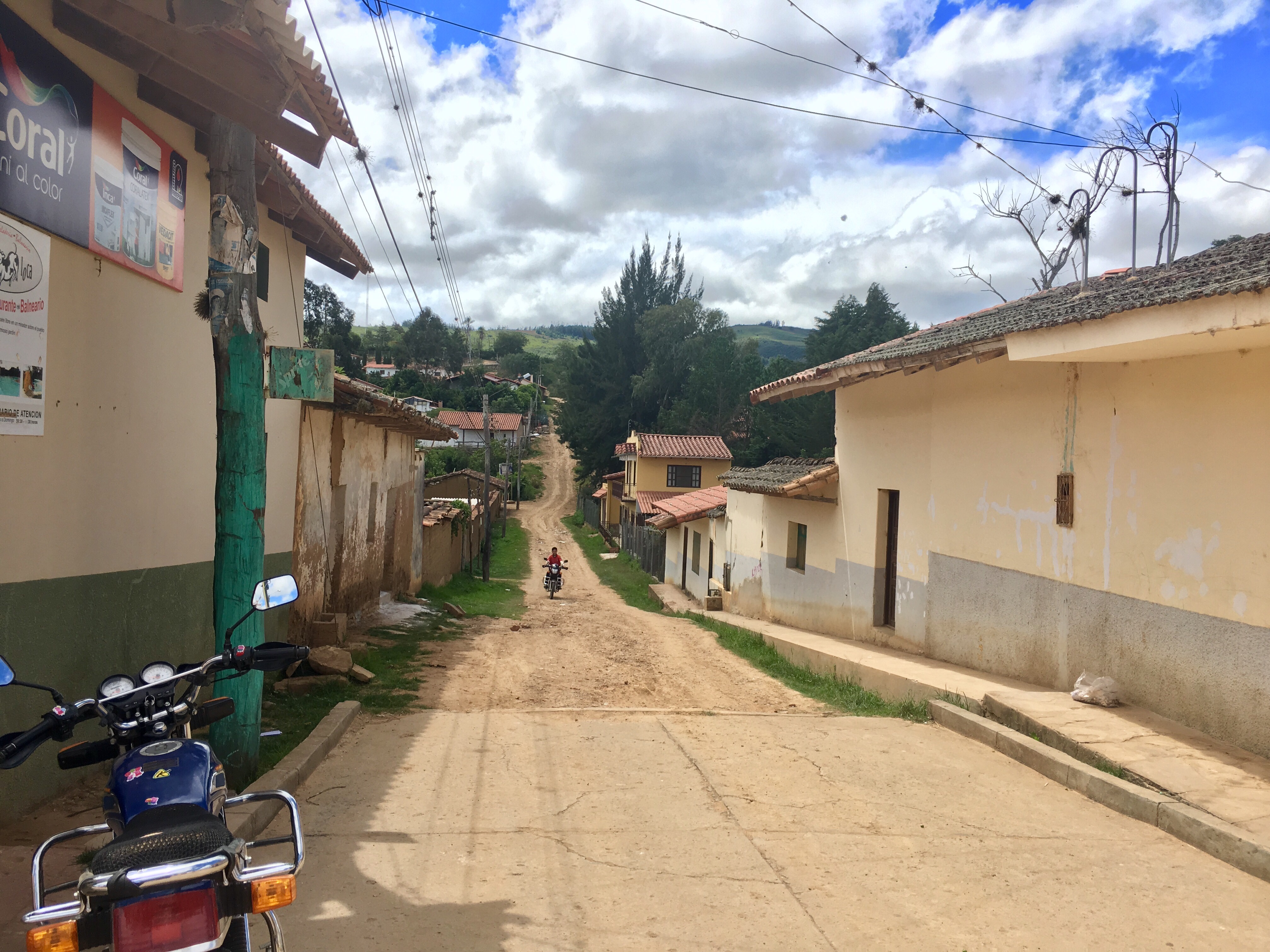
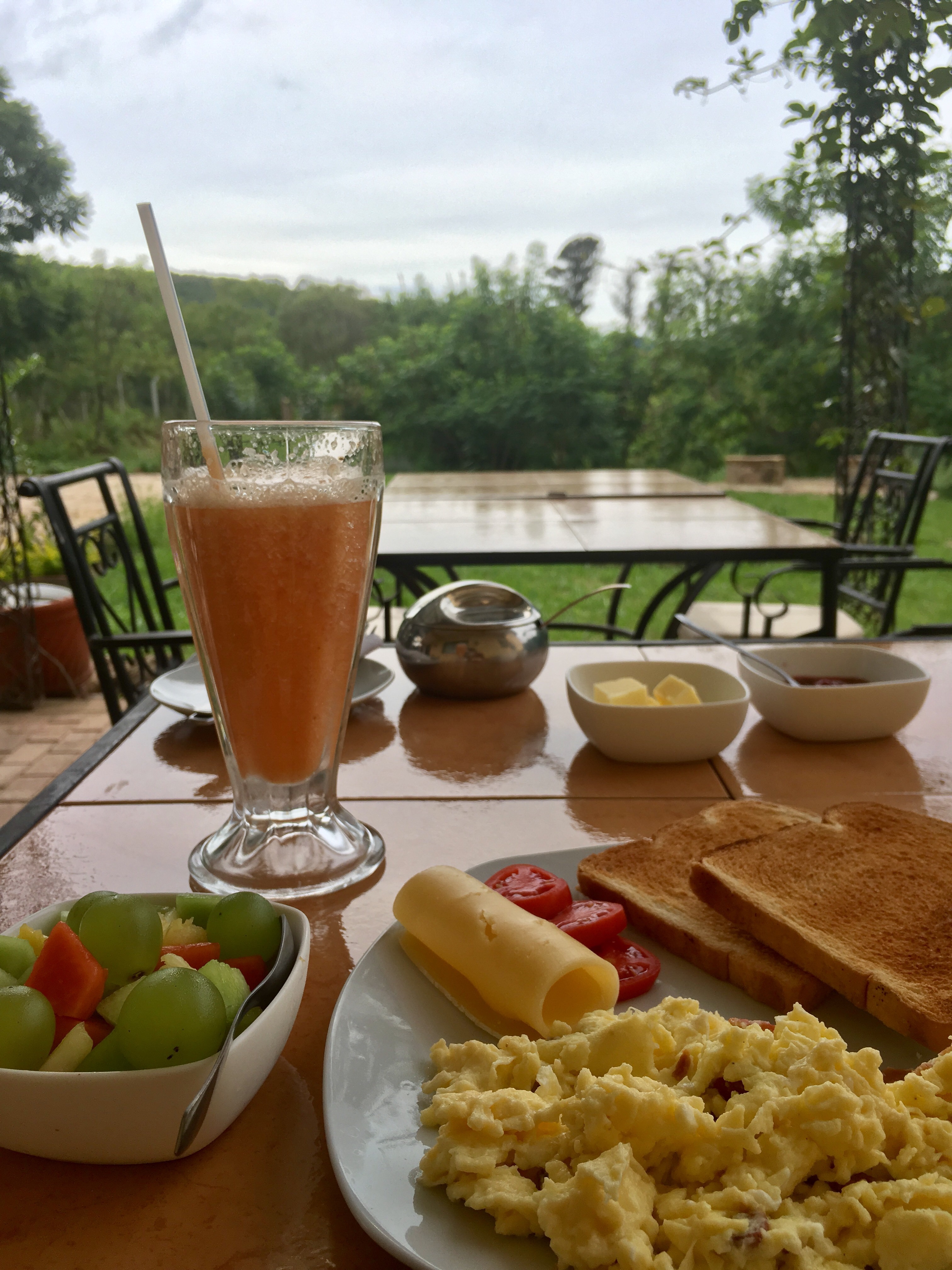
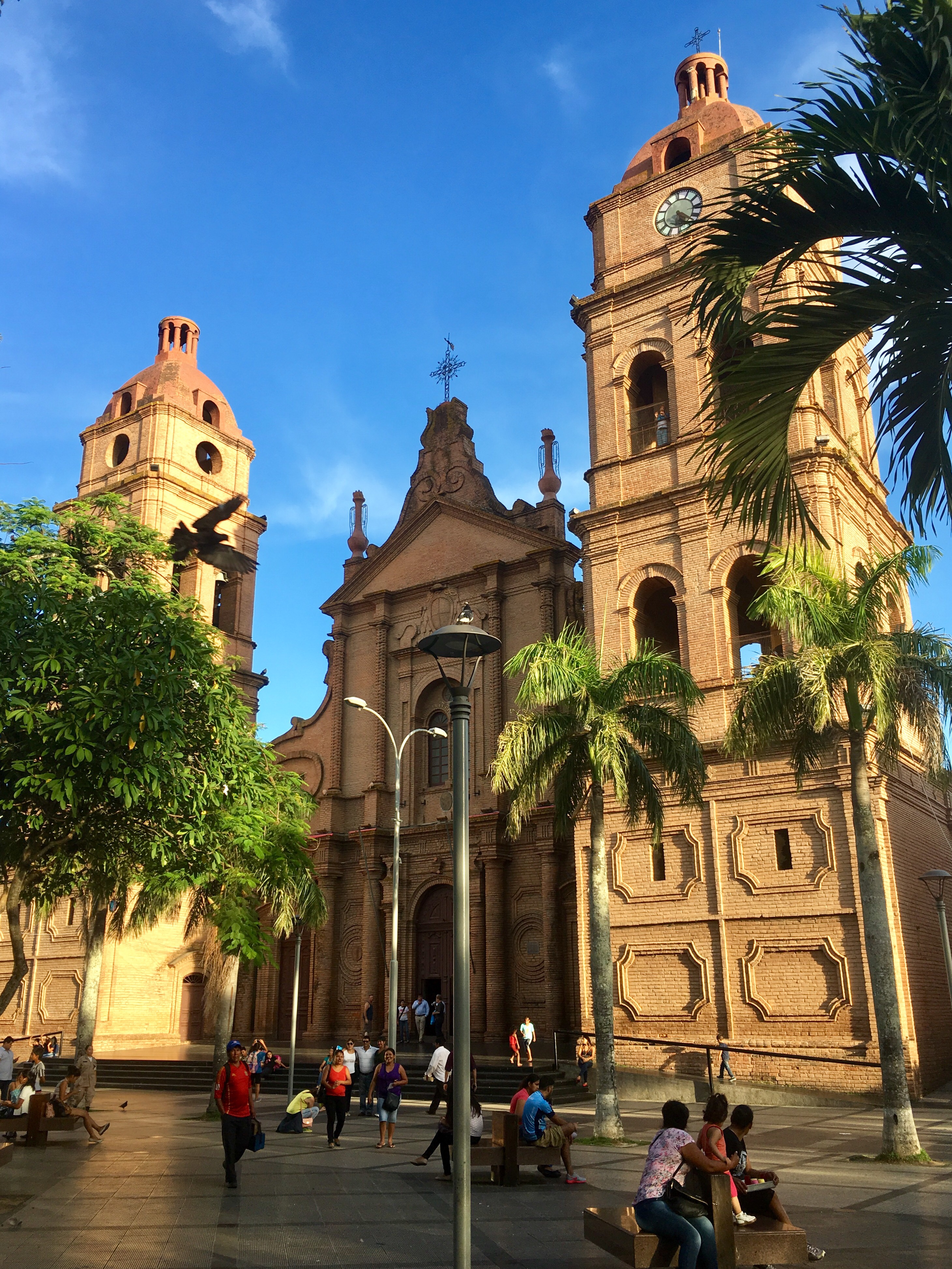
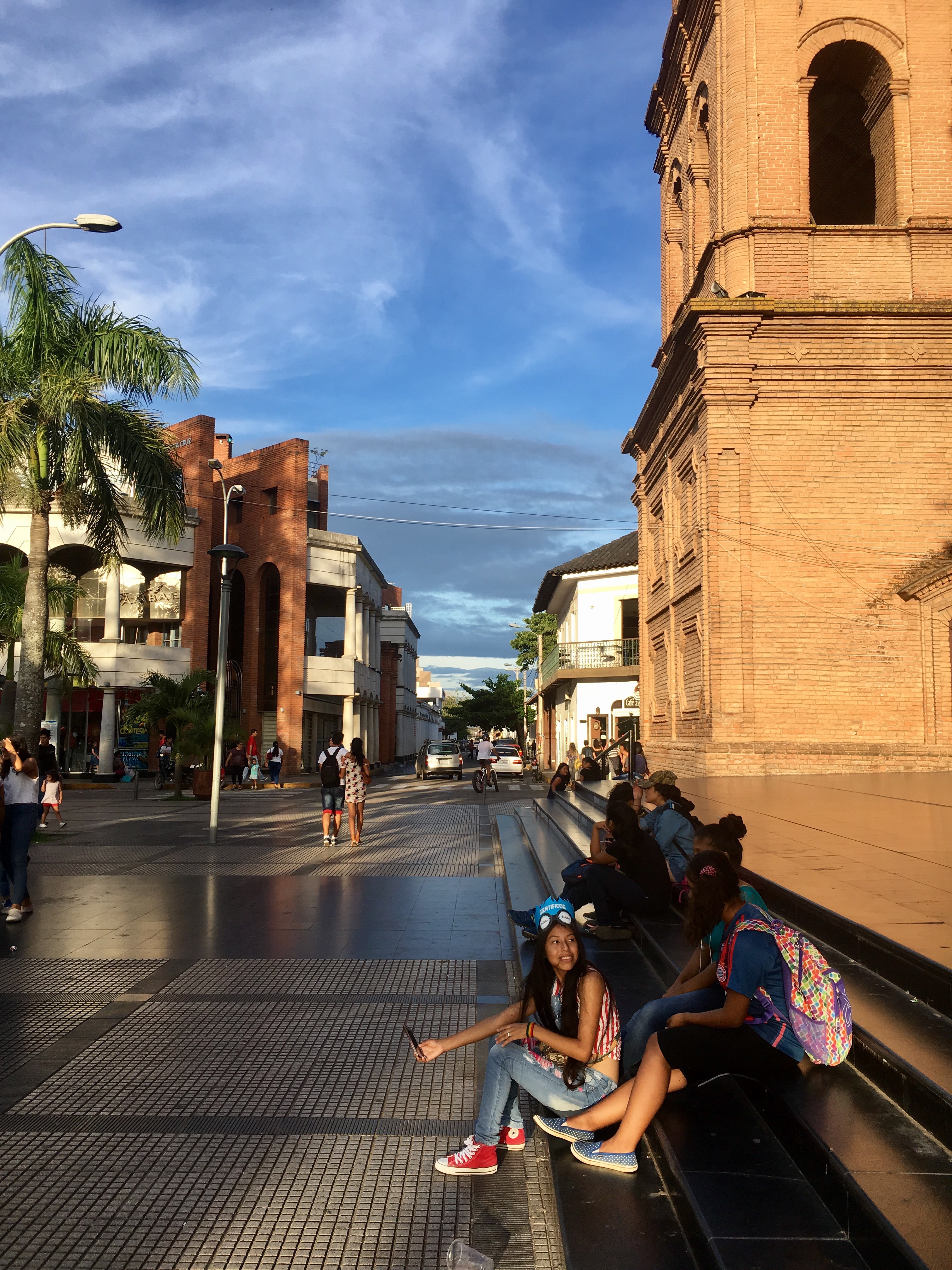
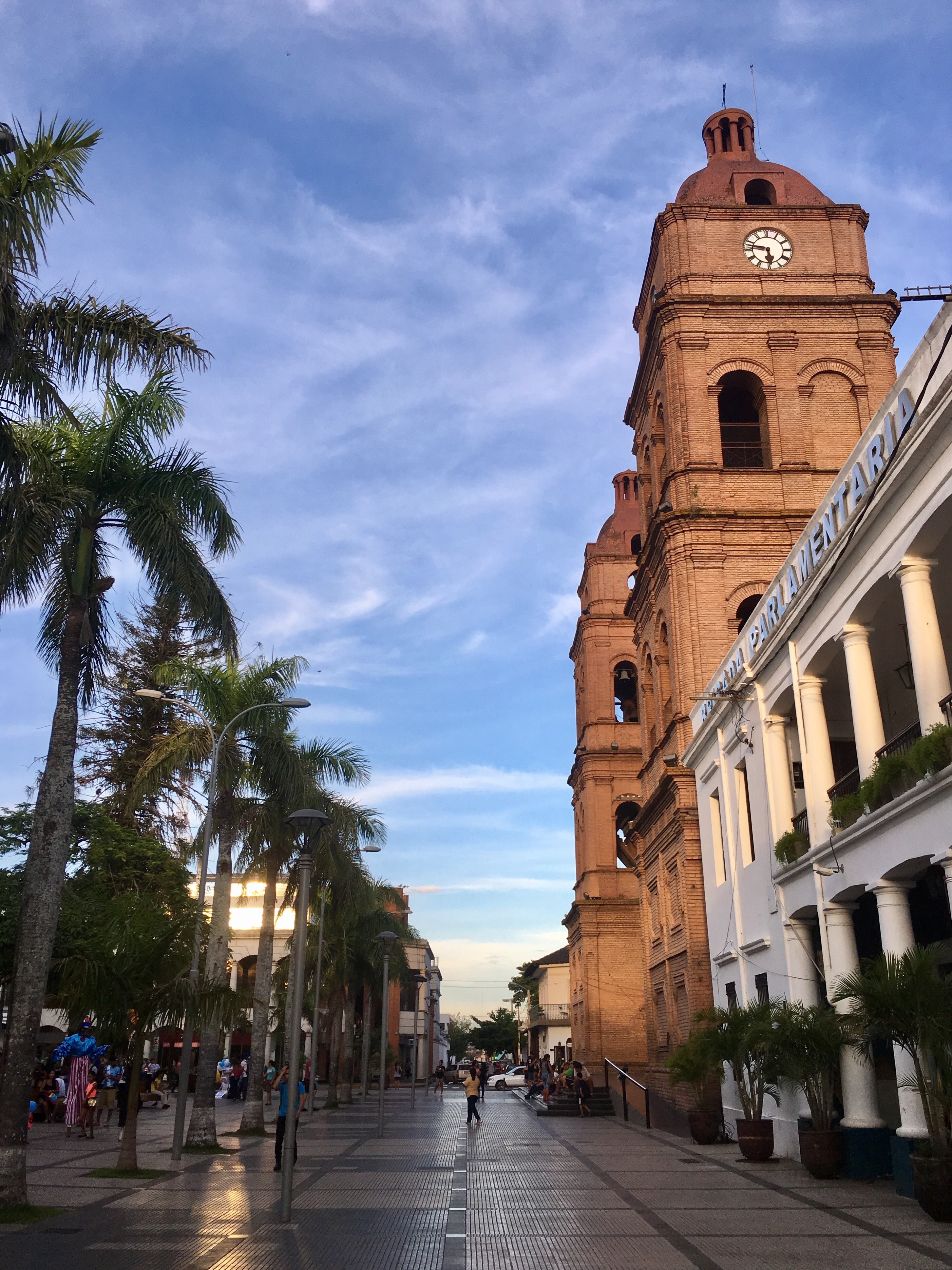
I came across these 2 boys playing foosball at an outdoor table in a plaza, silently watched them for awhile, then not so silently so they kindly asked if I wanted to play. And then I proceeded to school them both, much to their shock & delight. Oh the gaming skills you pick up in your basement as a kid. I still got it.Protests around the main square above by kids ranging in age from 5 to 10 to improve working conditions in the mines & in doing so, reduce the suffering from tuberculosis. Sucre, former seat of Bolivia’s govt as independence was proclaimed here, is a beautiful white colonial city w grand plazas, an independent spirit & spring-like temperatures which was a welcome change for me. The main plaza (above) was constantly buzzing w gatherings & protests. This one, an environmental rally, was my favorite as leaders from the environmental council split up the teenagers into groups & spoke to them about what they can do to help the environment. And the teenagers actually seemed really excited & into it. There is a whole lot of nothing going on in Samaipata, a super laid back town surrounded by lush cloud-forest of Amboro National Park & nearby Incan ruins. So of course I loved it. I relaxed so much that I kept forgetting my phone in my room when going on hikes. Oh well. I still have the pictures in my mind. If I’m going someplace tiny (that’s not very accessible), why stay “in town” on the plaza when I can rent a room in a lovely house down this little dirt road w beautiful views of the countryside?Breakfasts like this everyday? Yes please.Santa Cruz is Bolivia’s most populous city but still feels like a small town as it doesn’t seem to have any massive highrises, has small winding streets & great big buzzing plazas w a lot of green space. It also has direct flights to several international cities.
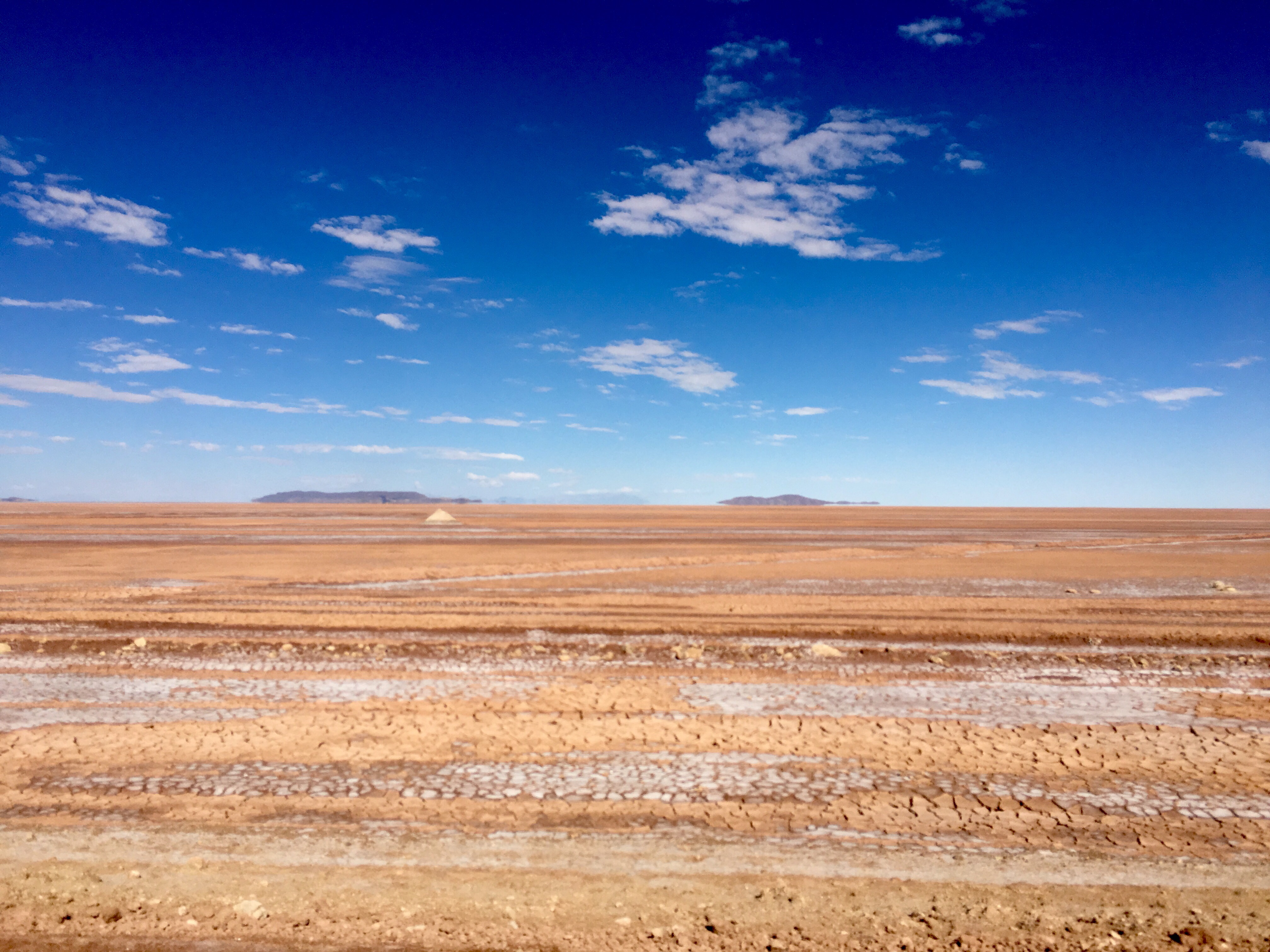
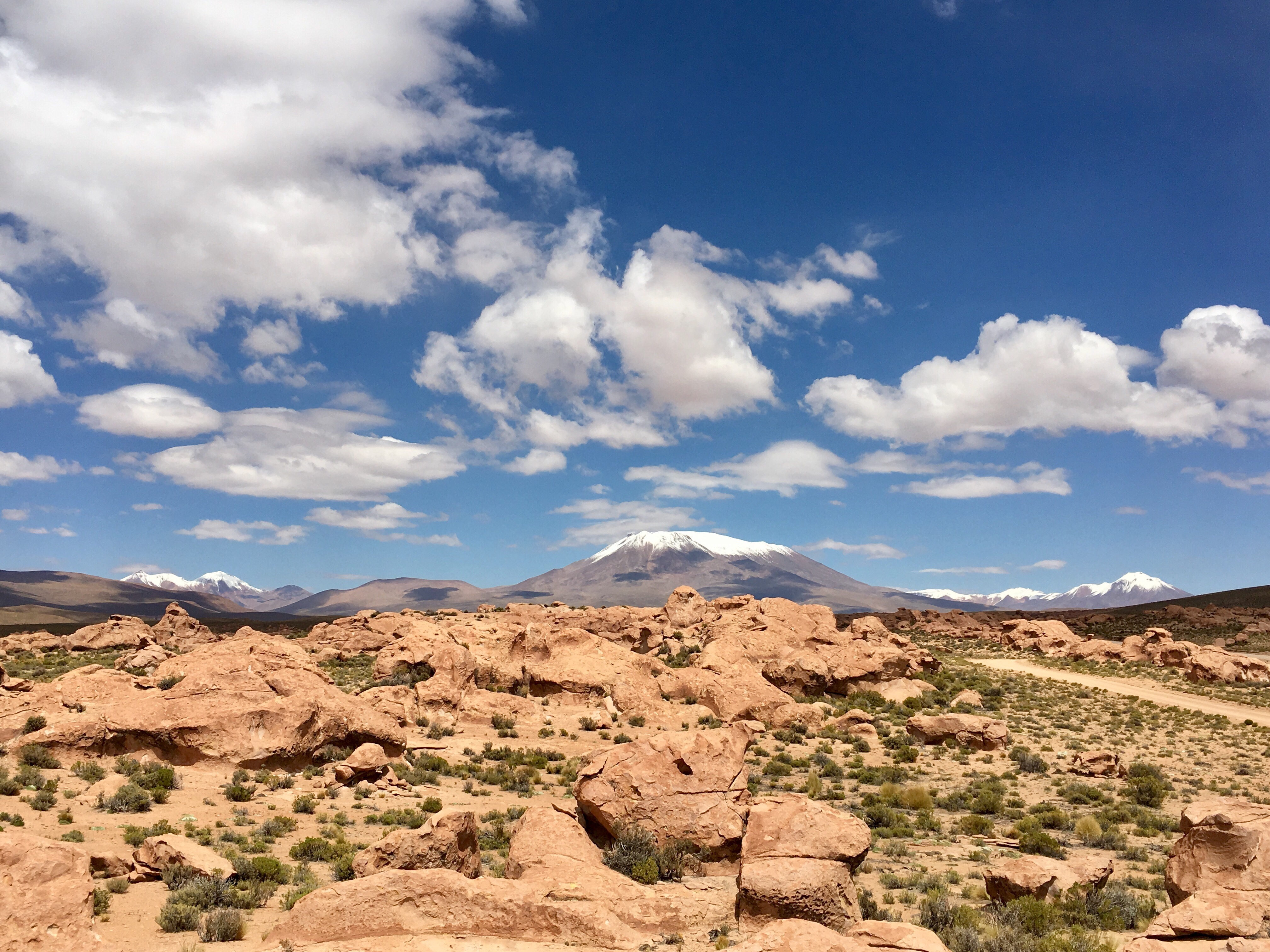
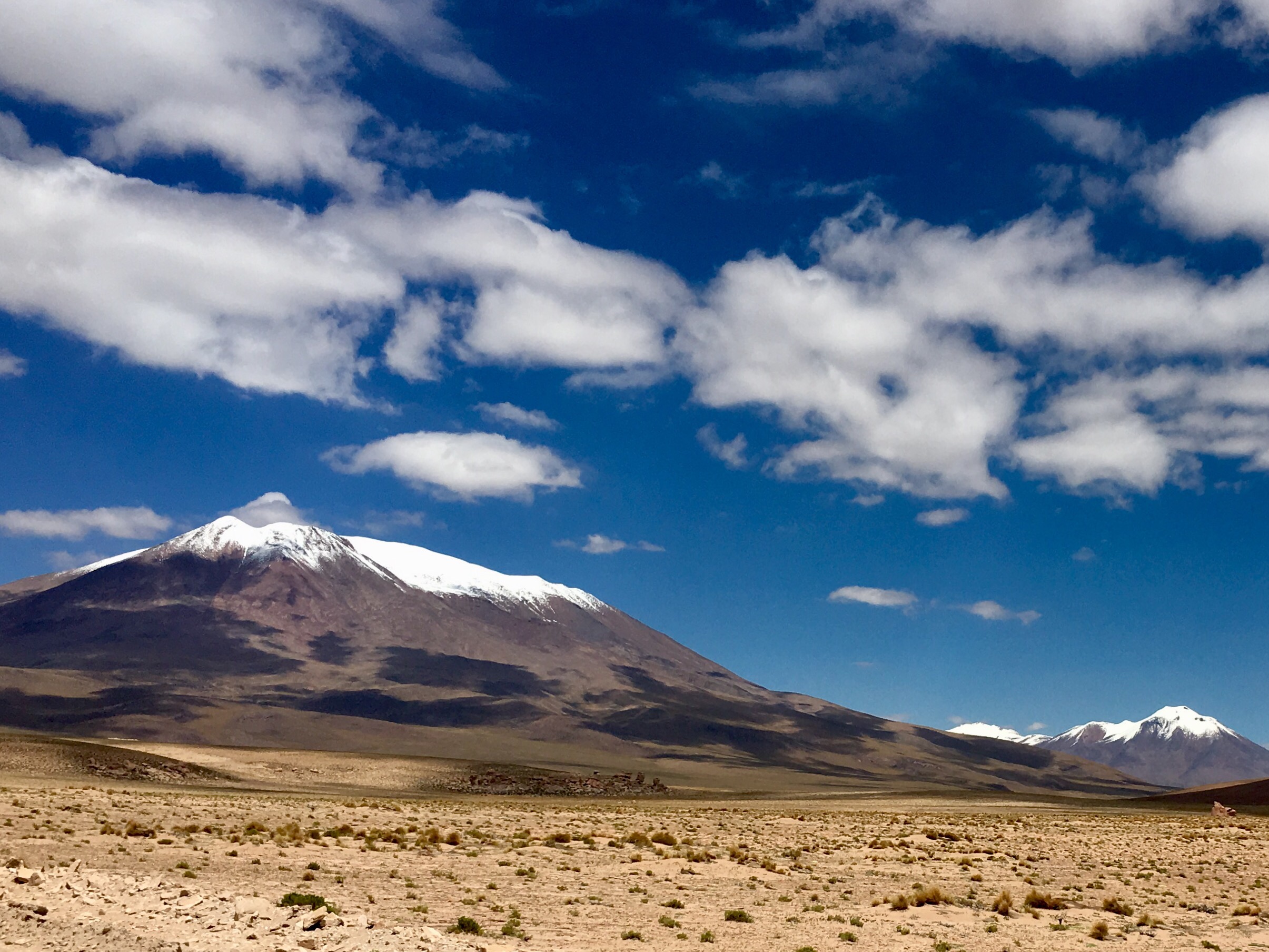
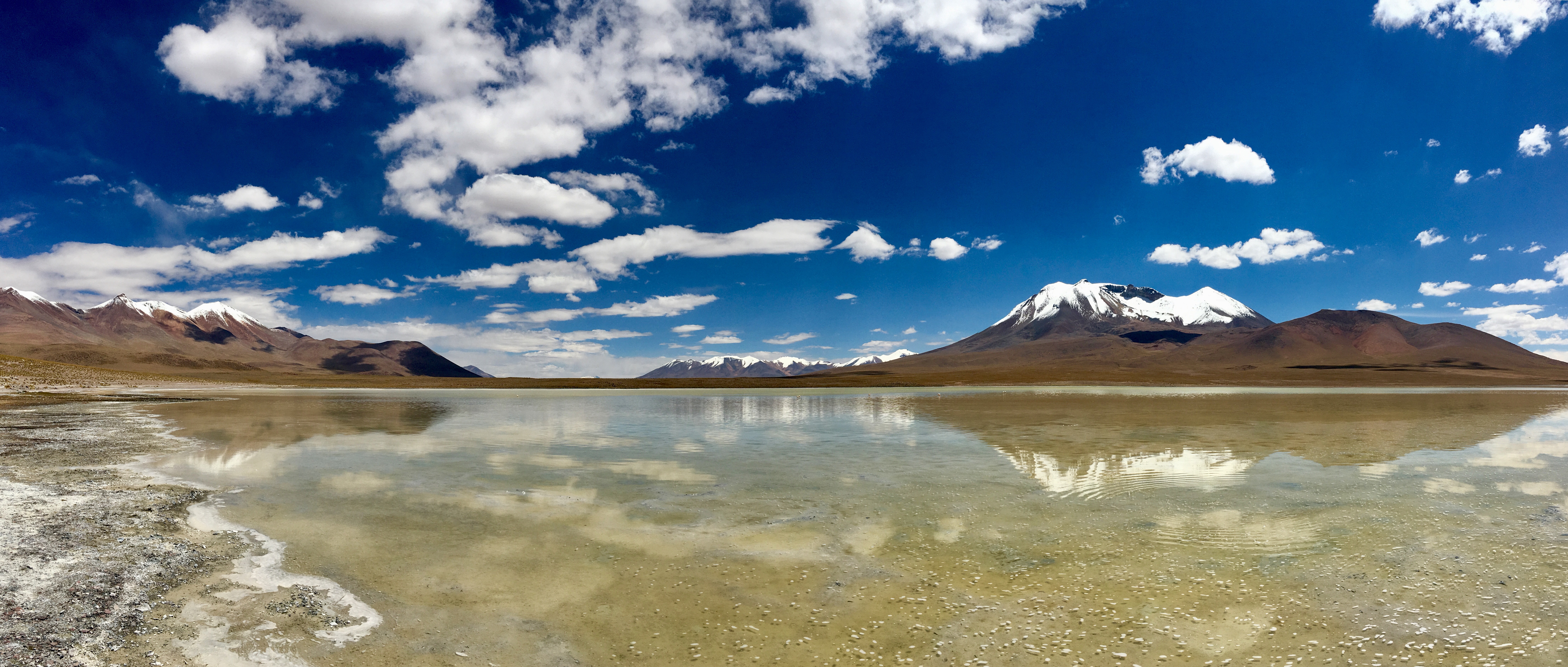
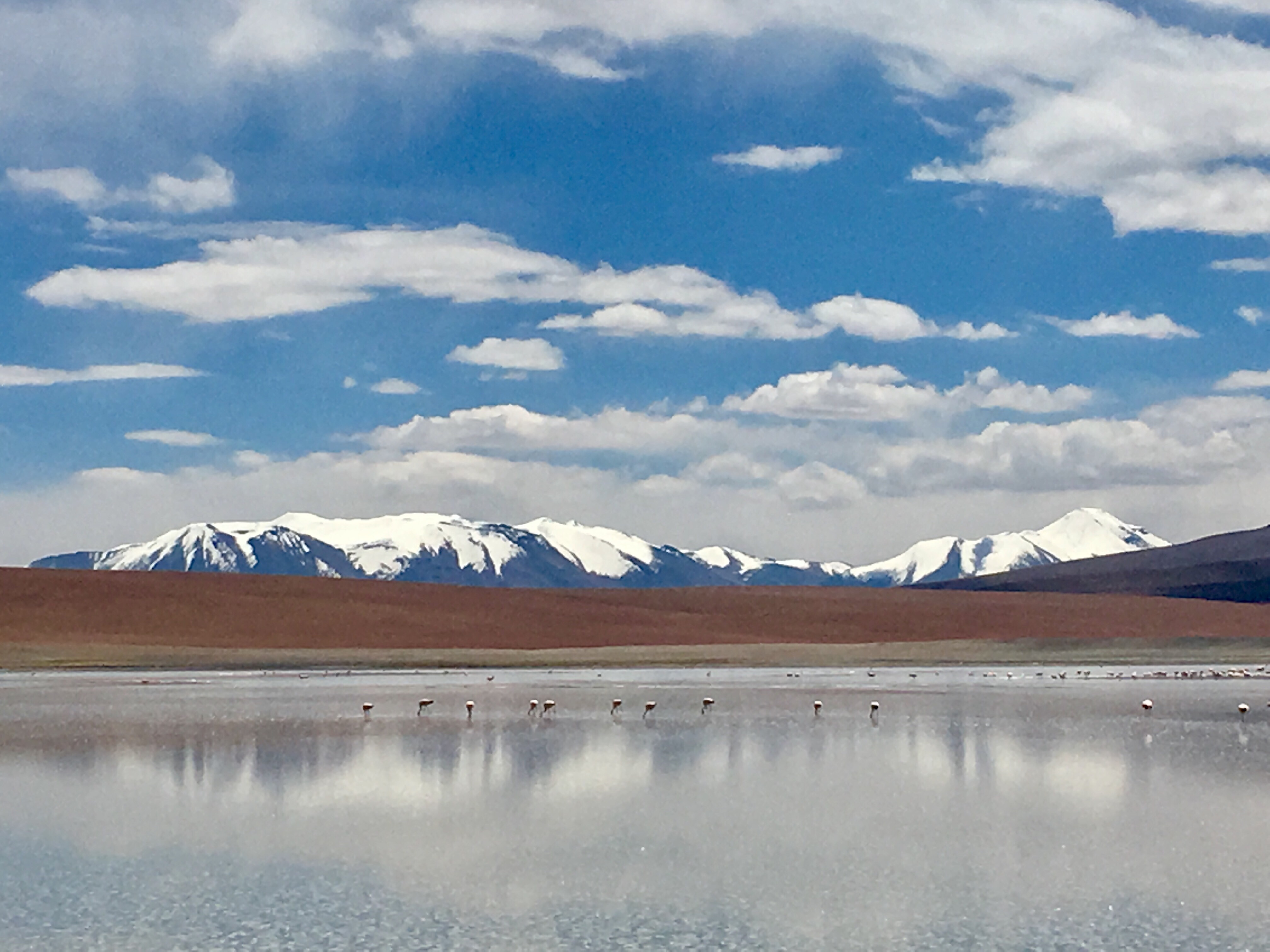
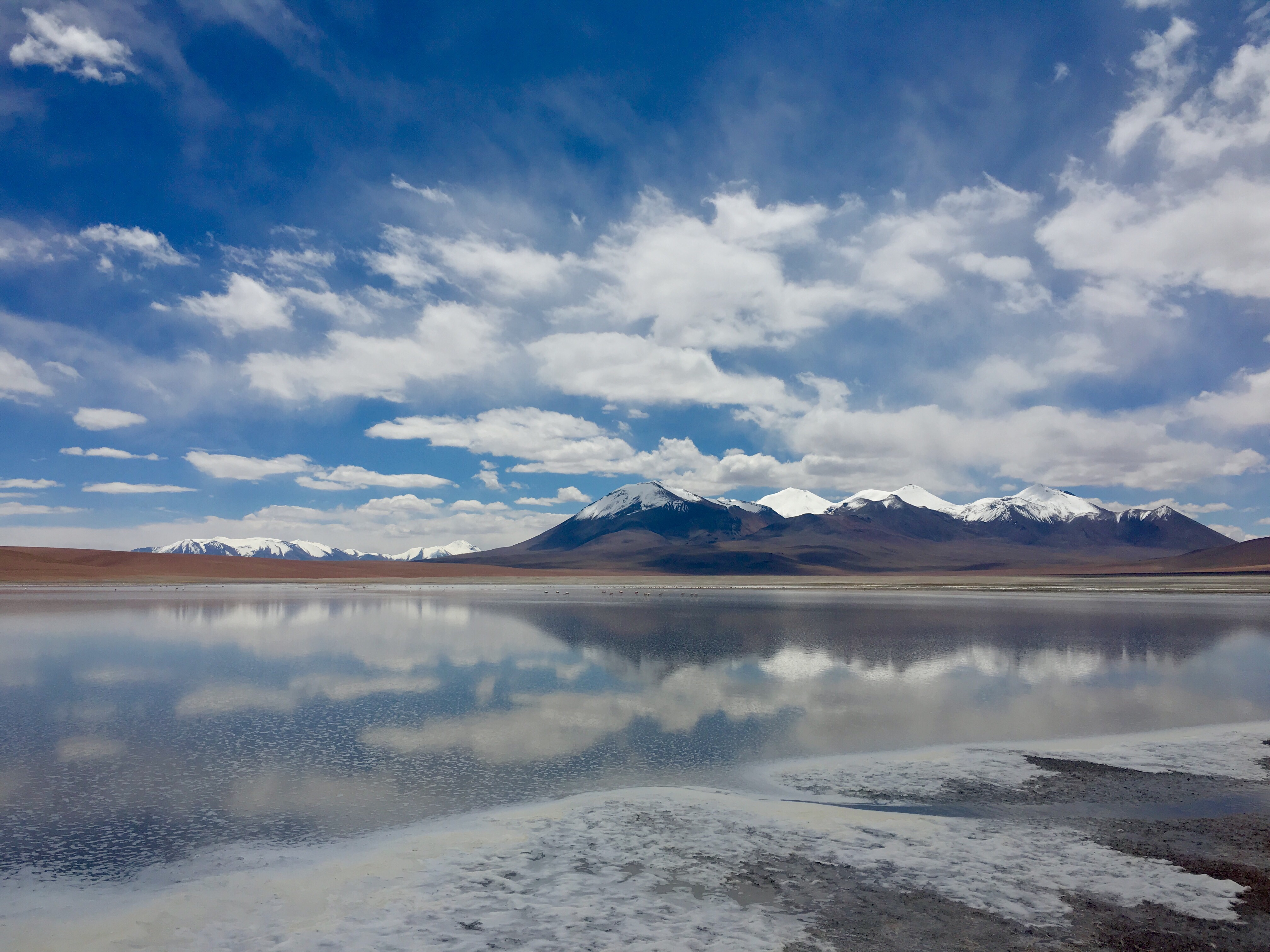
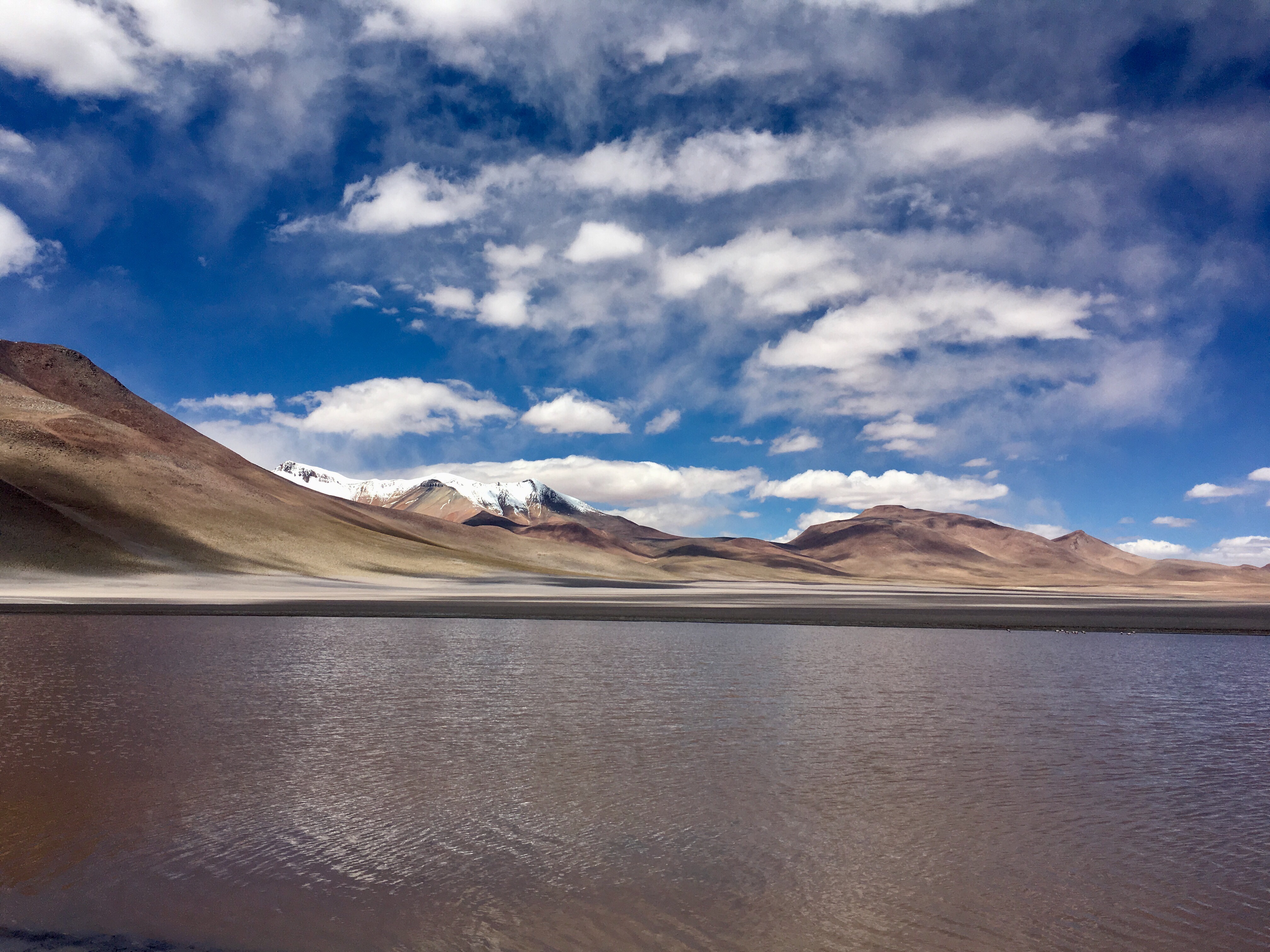
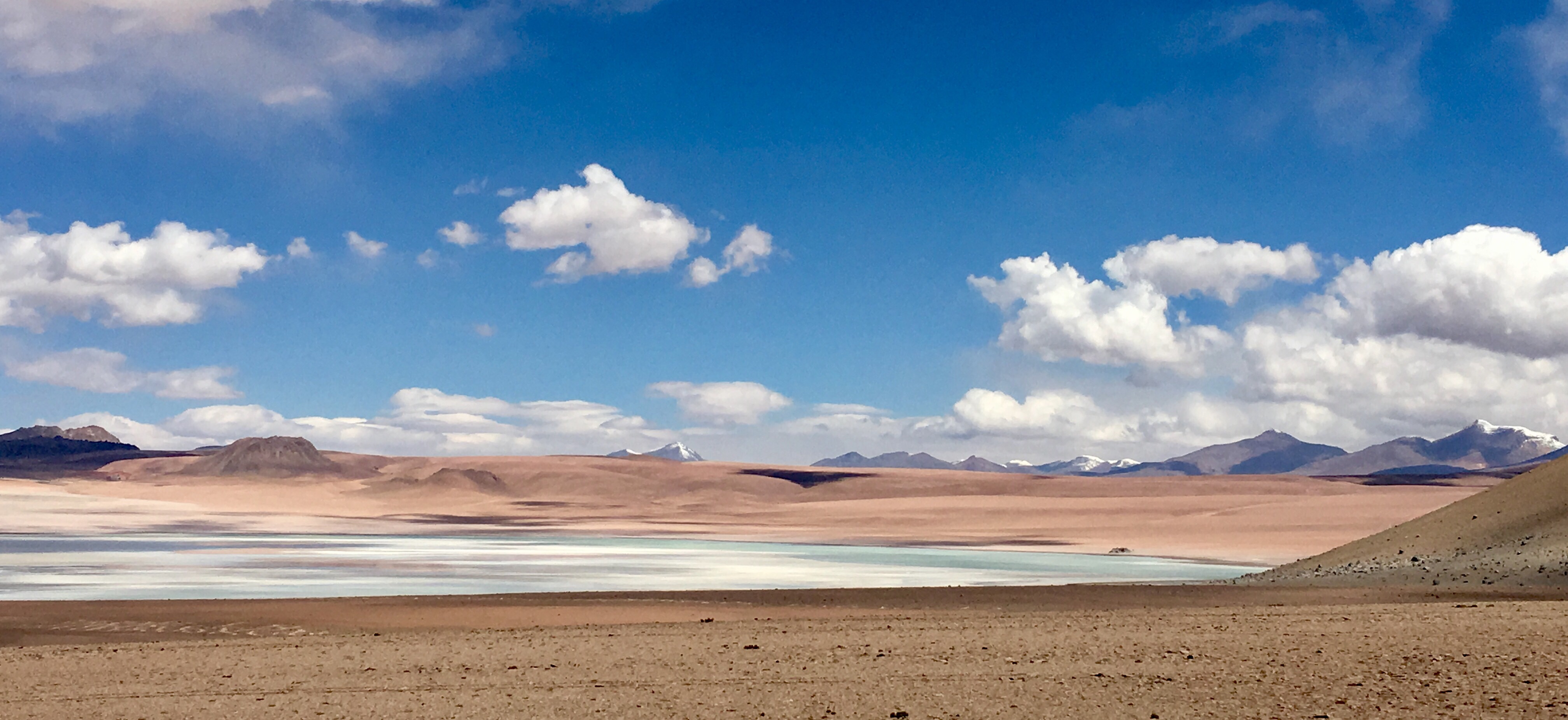
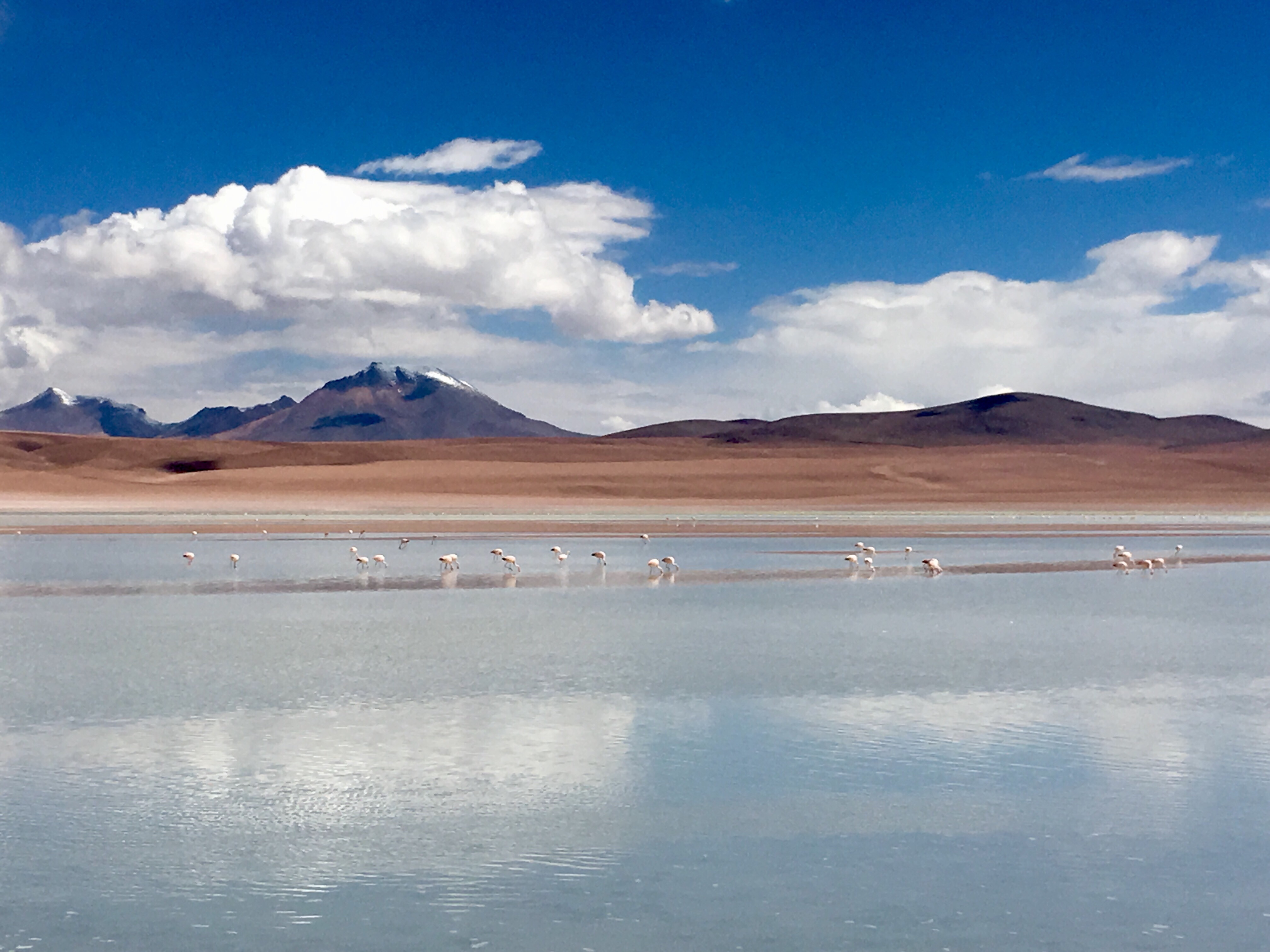
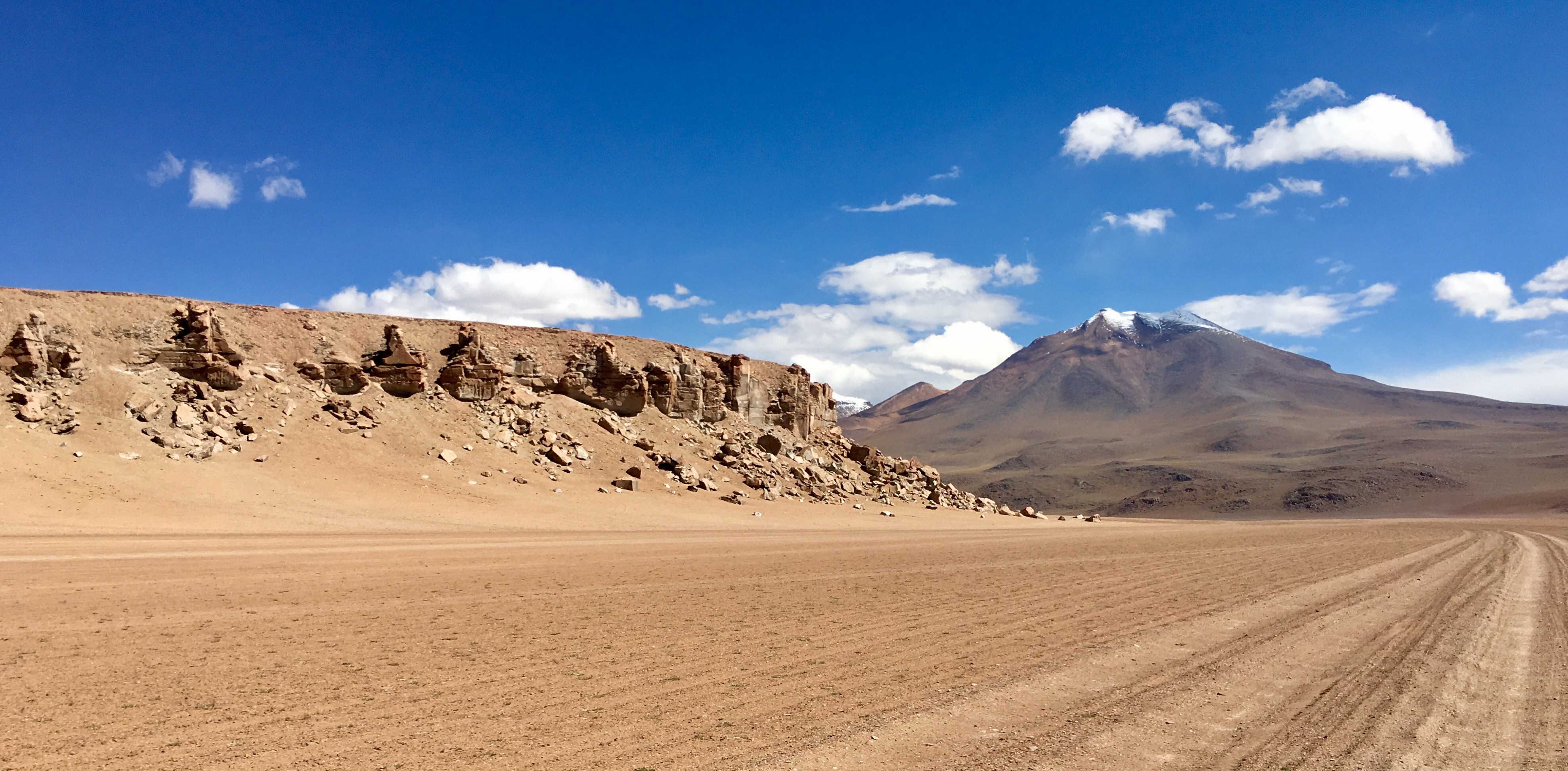
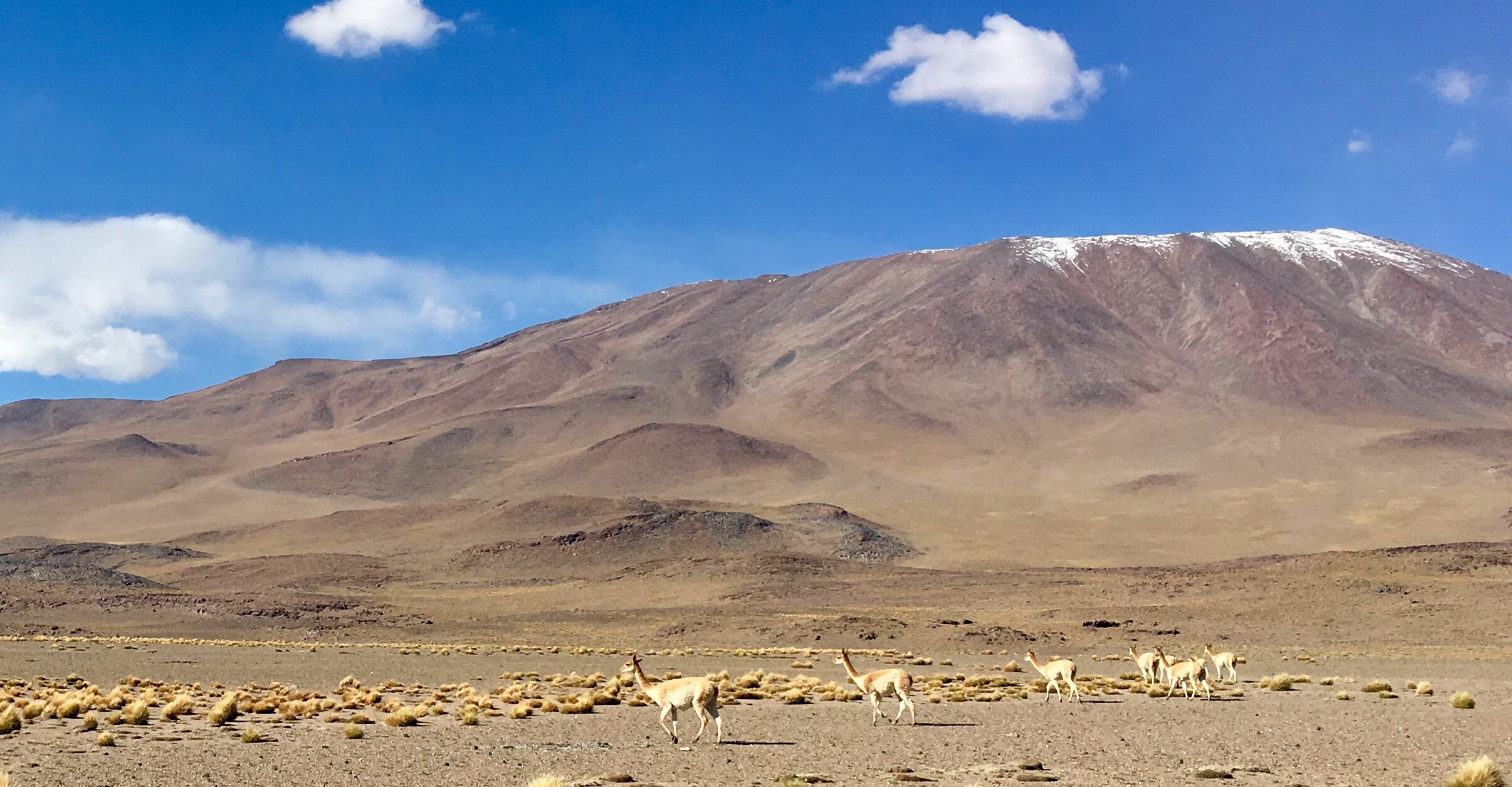
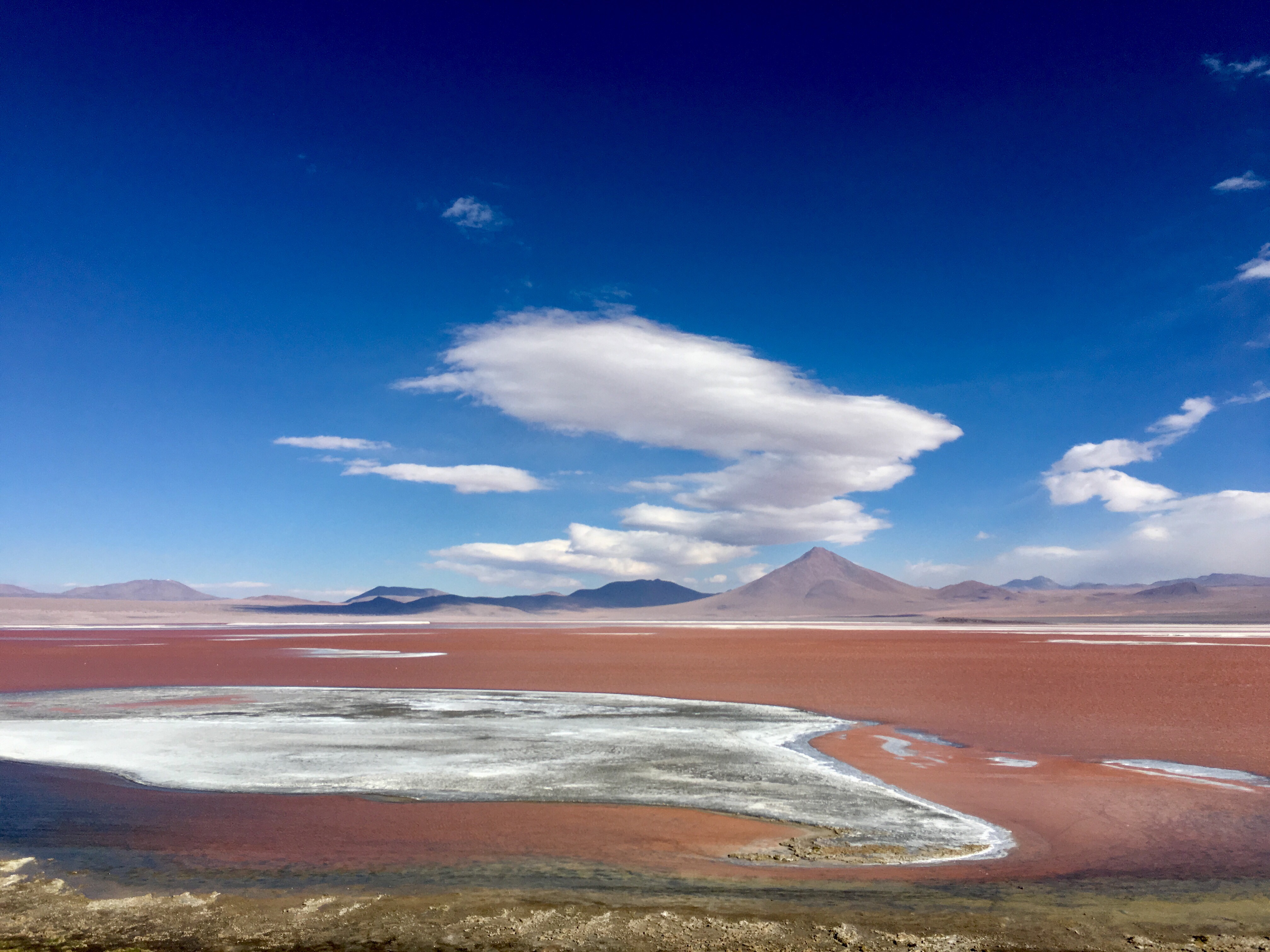
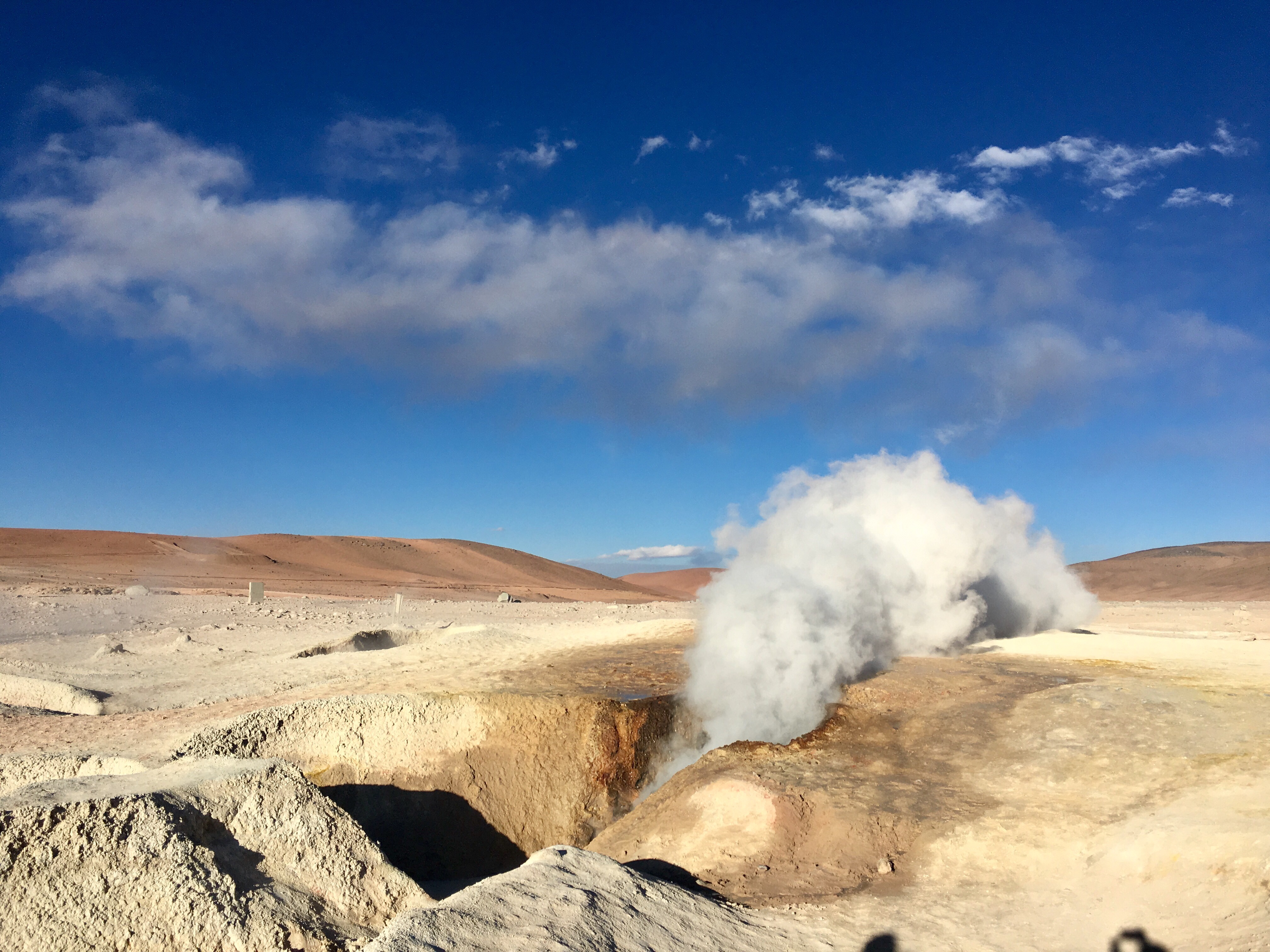
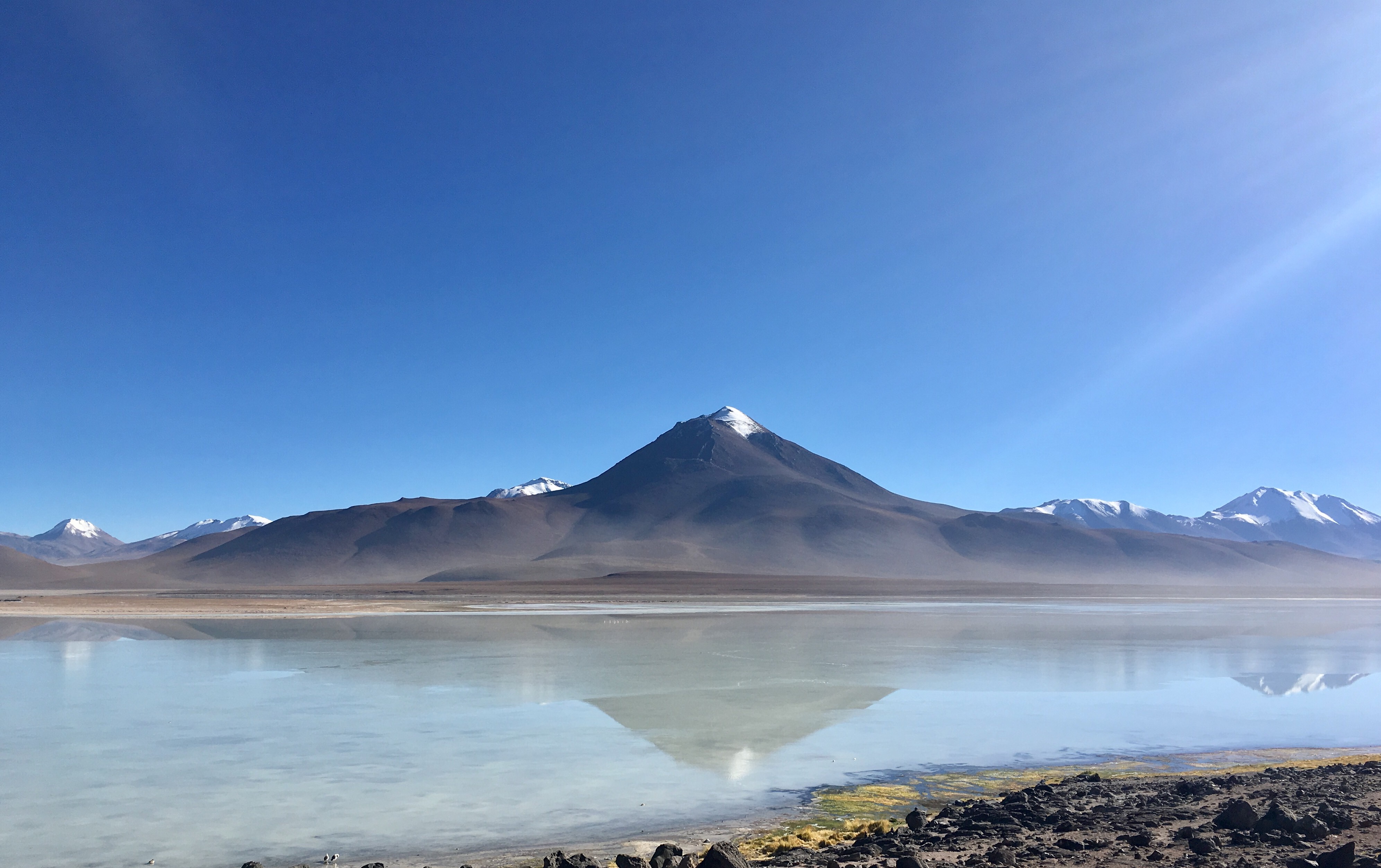
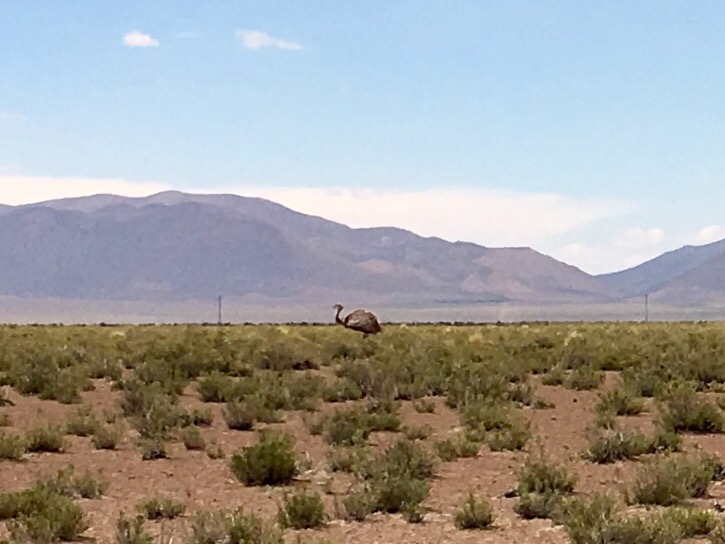
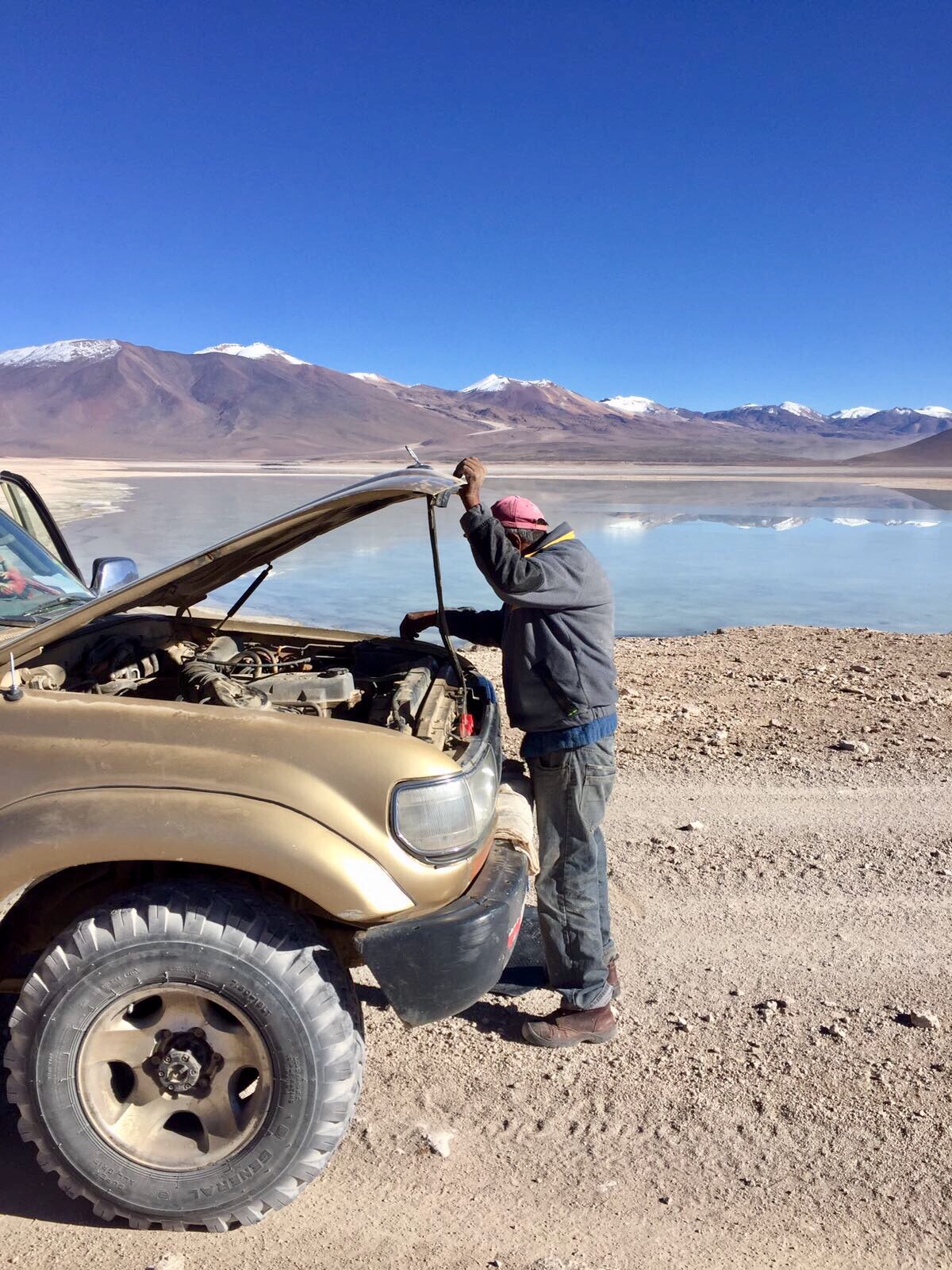
I must admit, I was expecting a bit of a letdown after the salt flats on day 1 of the 3-day Uyuni tour but the wildlife reserve brought it. A little bit of everything including snowcapped volcanoes, eerily shaded lagoons, desolate deserts, steaming hot geysers, perfectly warm hot springs (enjoyed for hours on night 2) & altiplano wildlife (flamingo, (formerly endangered) vicuna, ostrich). The tour was incredible but in the harsh environment careening across vast expanses (sometimes salt) on previously barely worn tracks (I’d never call them roads), it was a normal occurrence for our big 4×4 with massive tires to breakdown for a bit. One of those massive tires sprung a leak once too. But we were never stopped for more than 30-45 minutes as our driver / guide also proved to be a capable mechanic & when he needed assistance, other drivers gladly jumped into help. In the middle of nowhere, folks come together.
Turns out I’m a bit obsessed with flamingos. On one lagoon, I estimated a thousand. On this lake, maybe 5k. The red lake below tracks them with chips so they know there are 18k. Woah. They are skittish little things. You get too close, they get nervous & fly off. So I was purposely gettin a bit too close for the shot fully expecting them to freak & fly off so I was prepared with video to capture their escape. It was amazing.
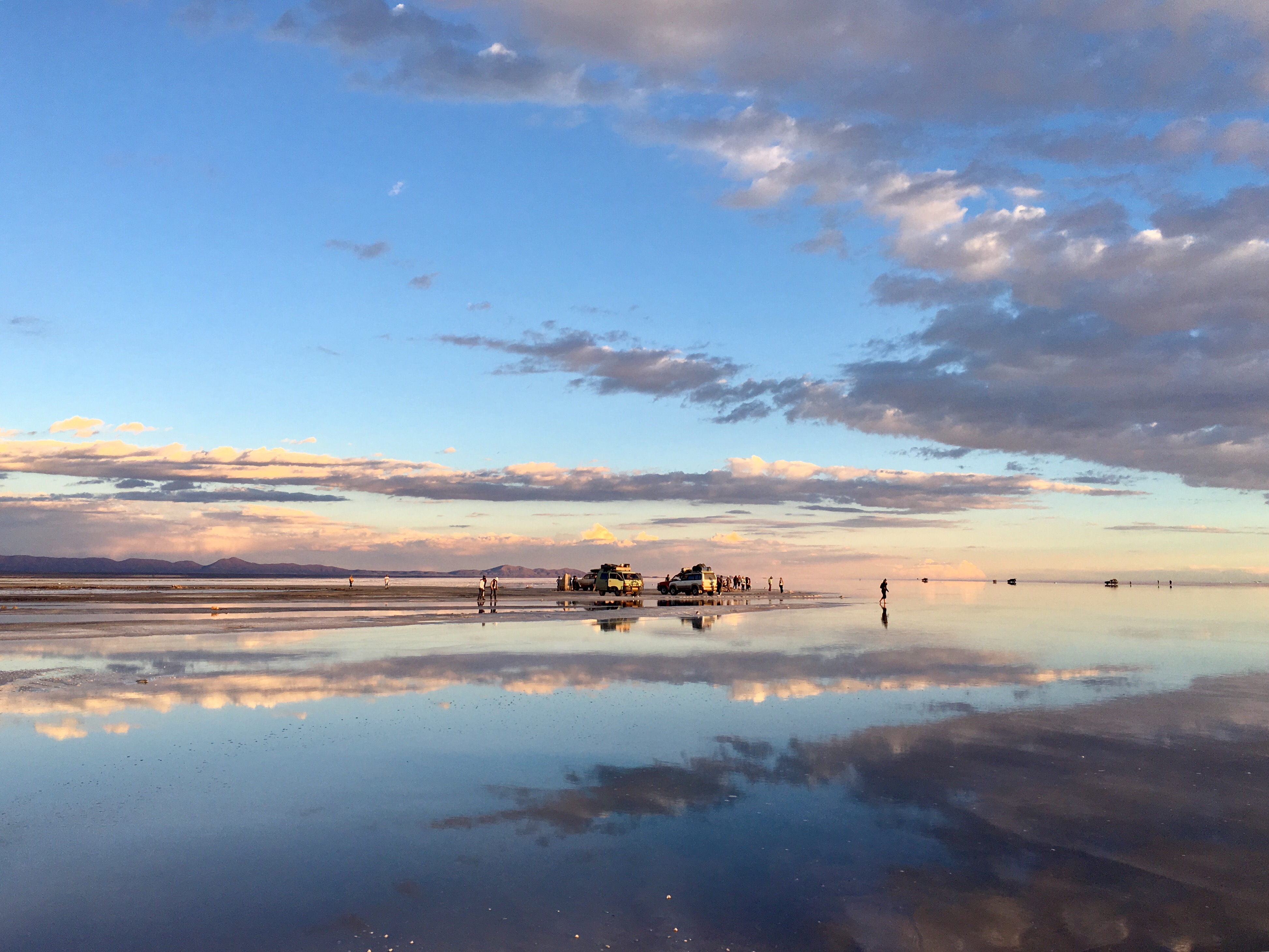
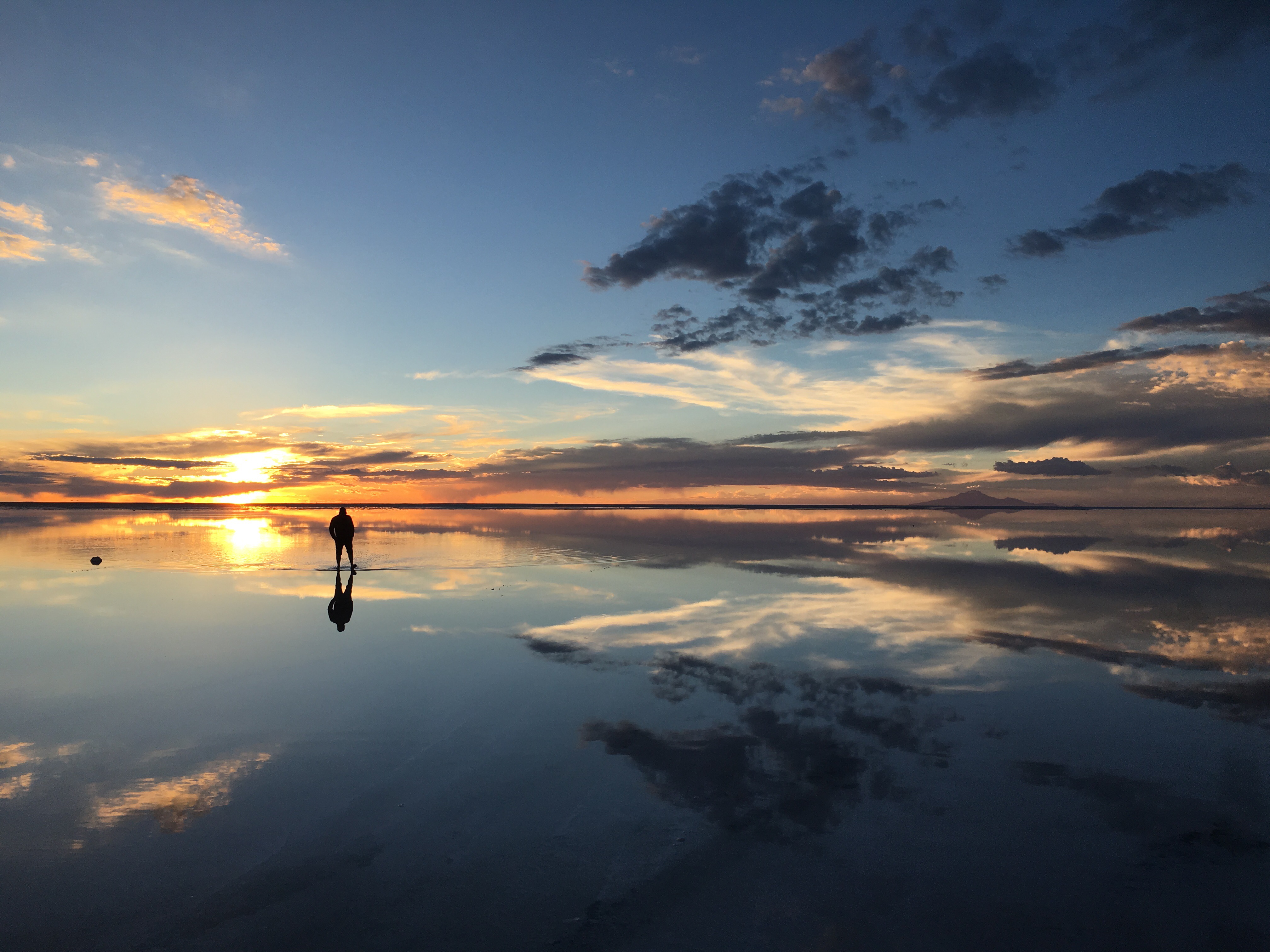
I’ve never seen anything like it. I read about it, saw photos & it was number 1 on my list of things to see in South America. It still blew me away. Sorting through my photos for this post was difficult. Go now. There’s already 100 tourists a day doing the same 3-day tour of Uyuni & its surroundings but believe me, it’s just going to increase. I will go again. I must. And next time I’d do a week-long tailor made tour. It’s that special of a place.
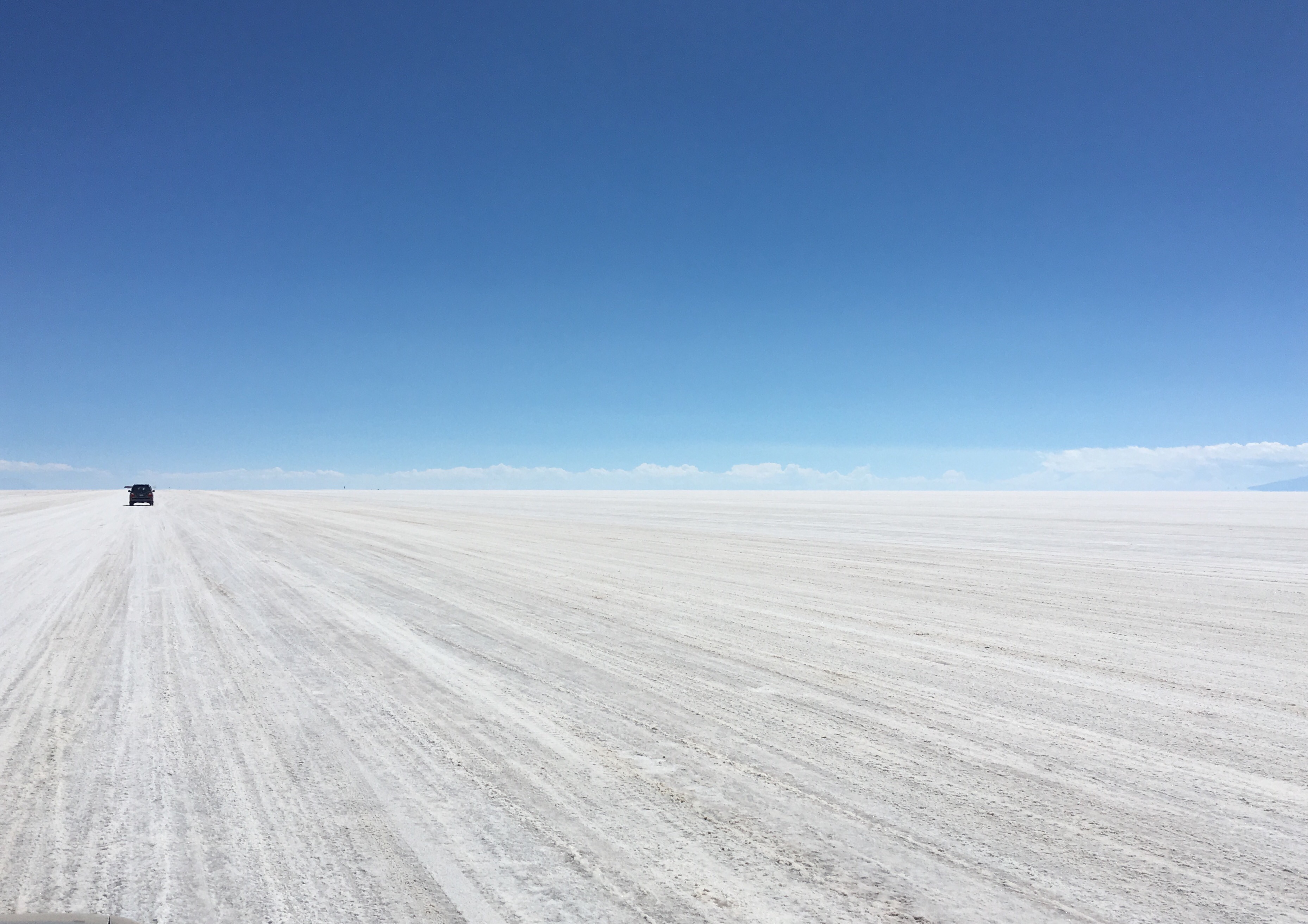
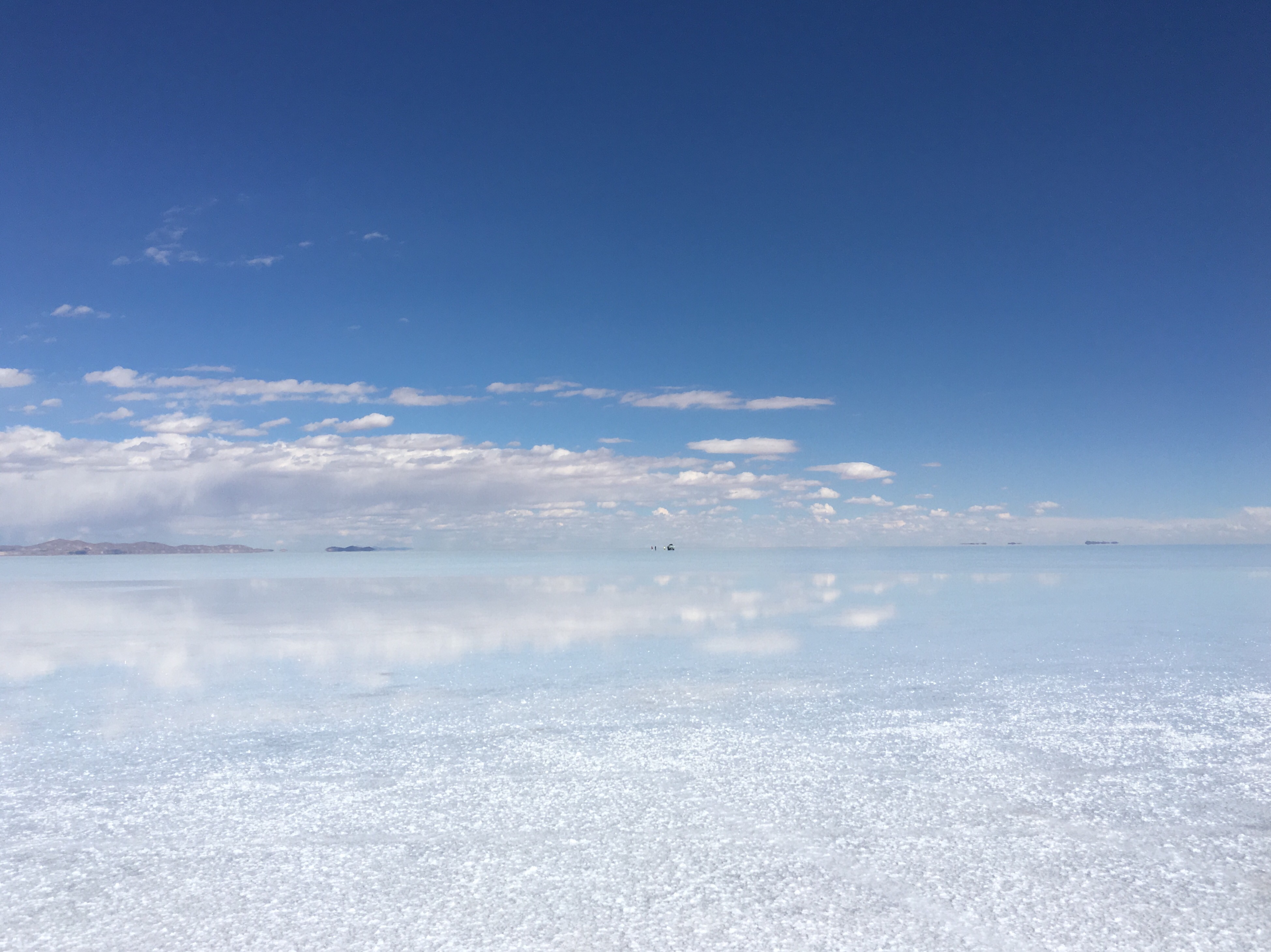
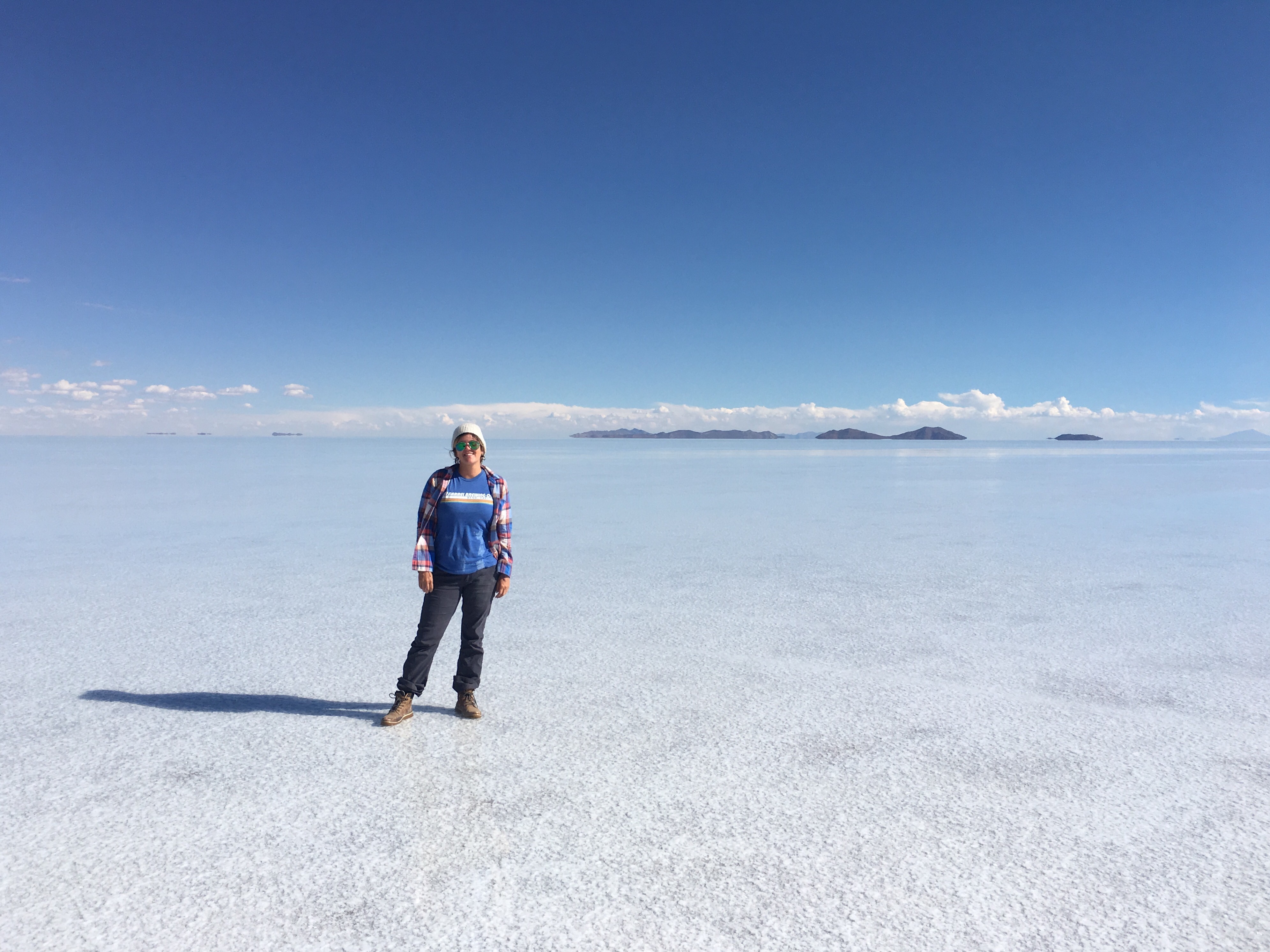
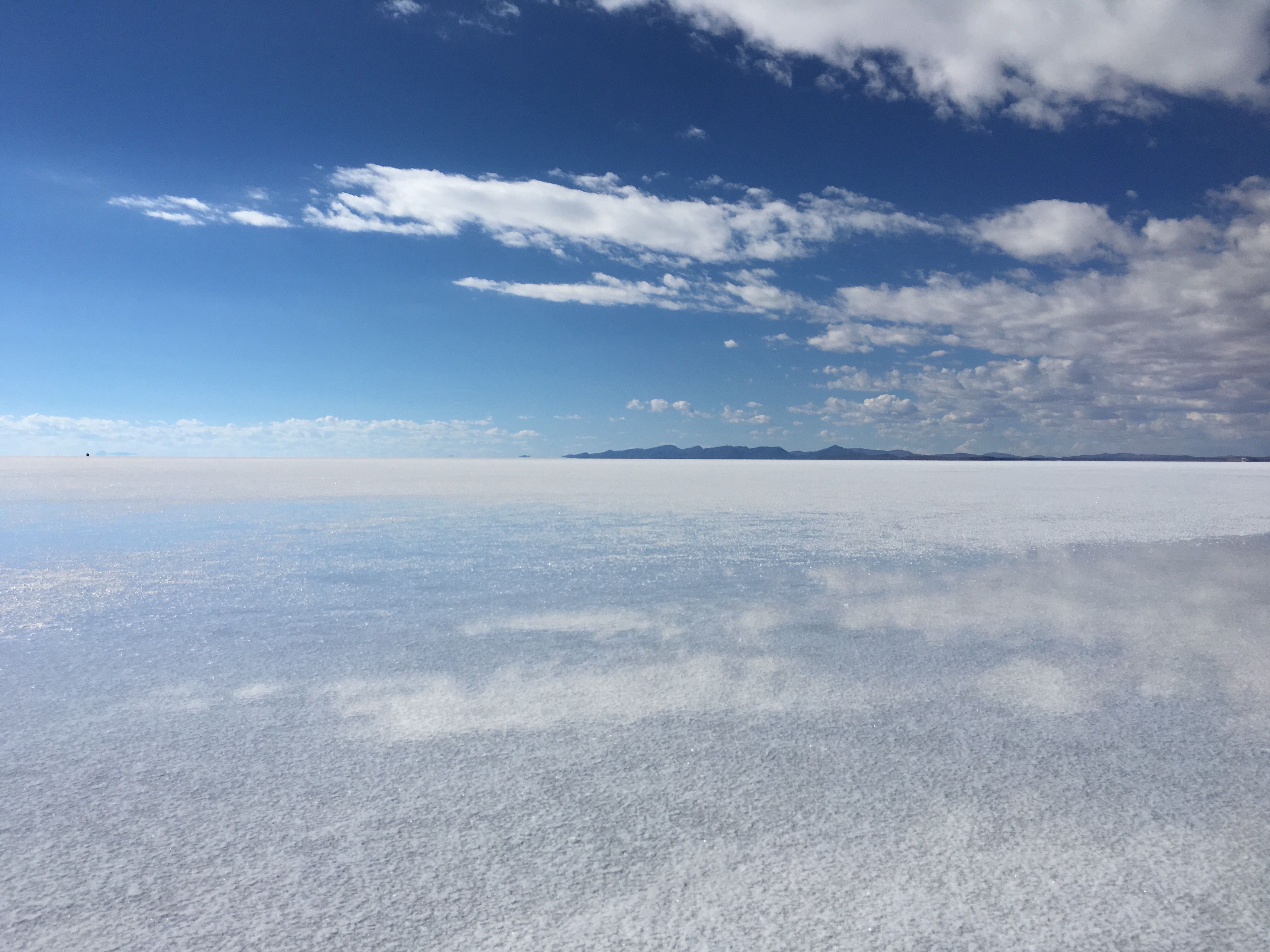
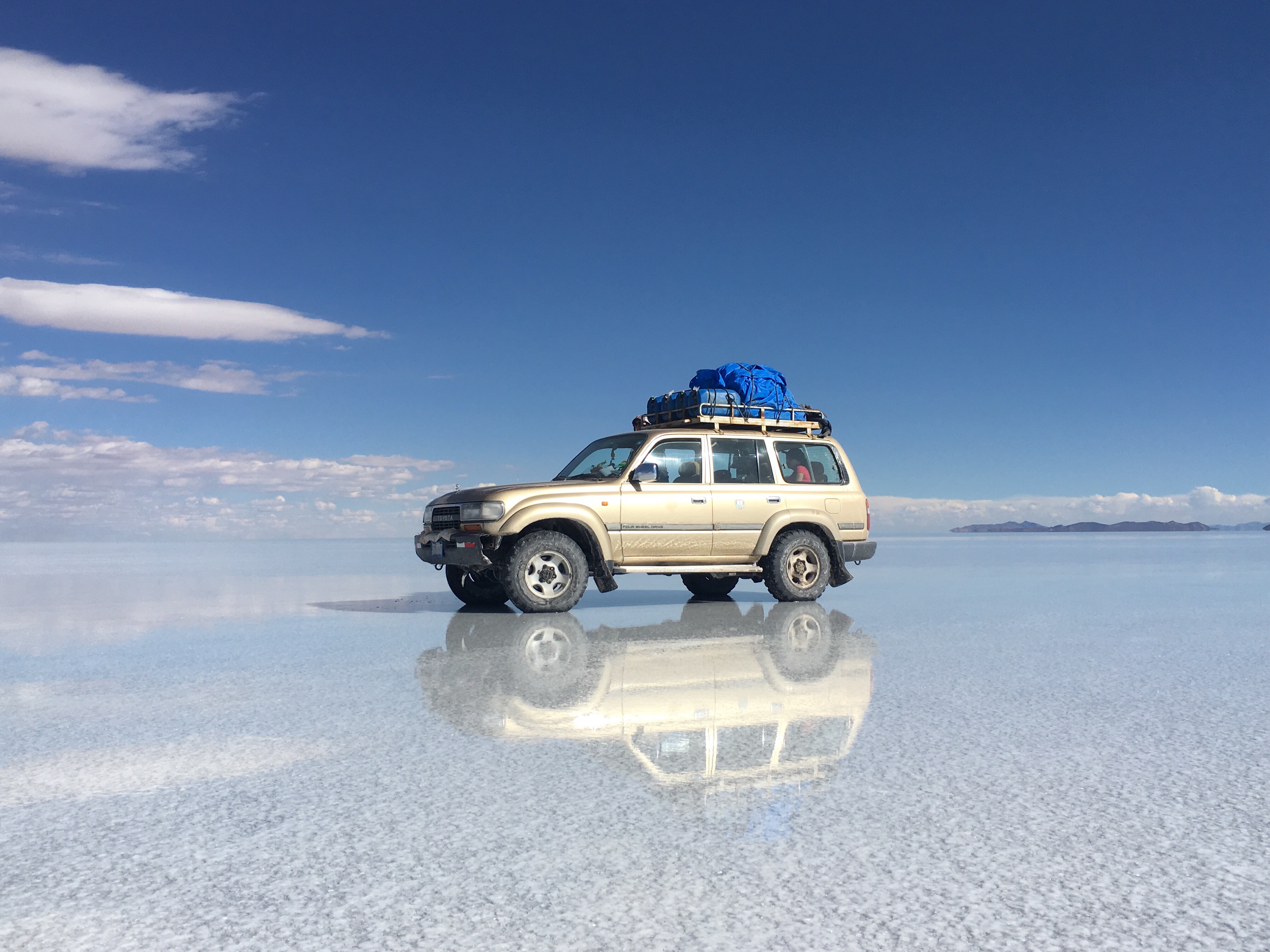
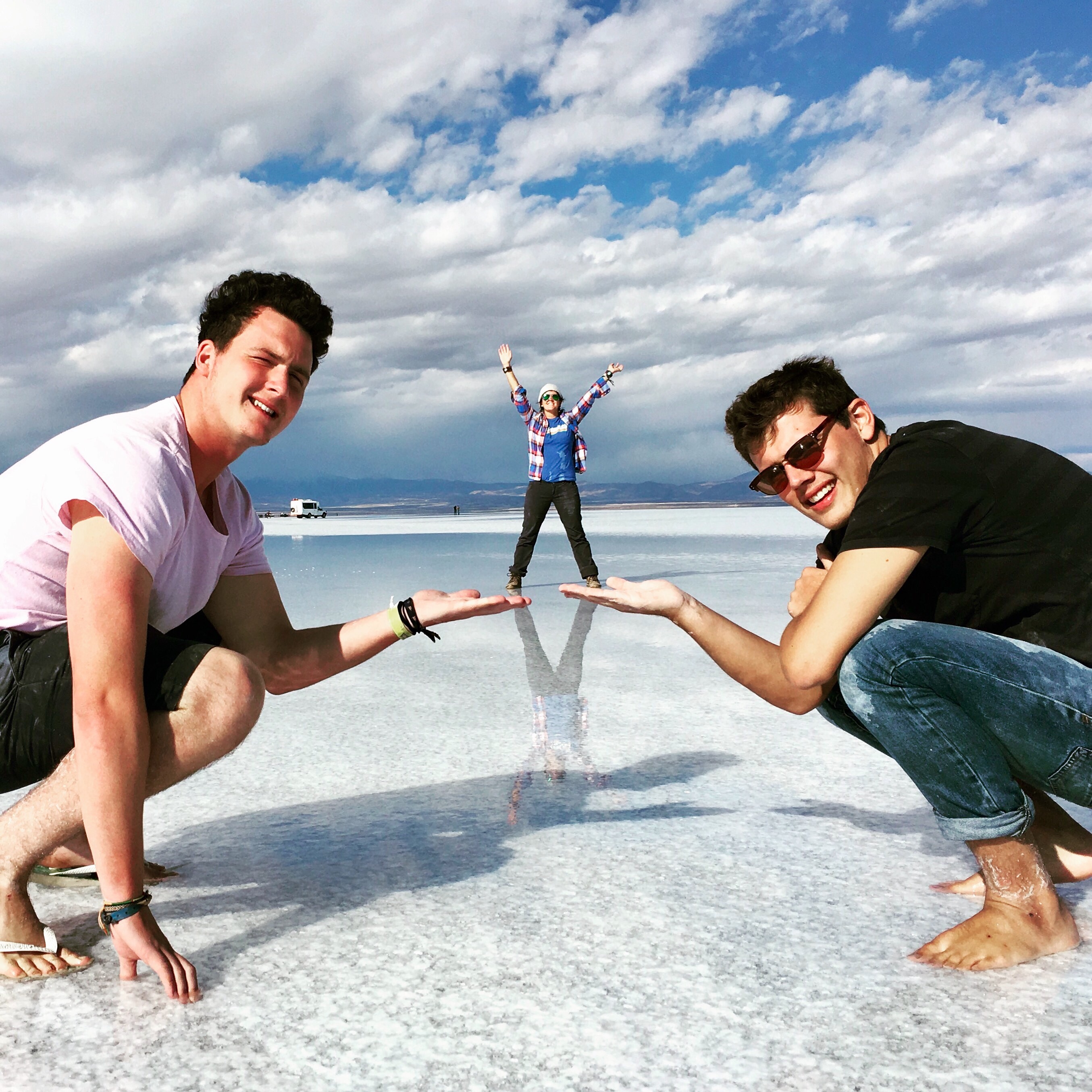
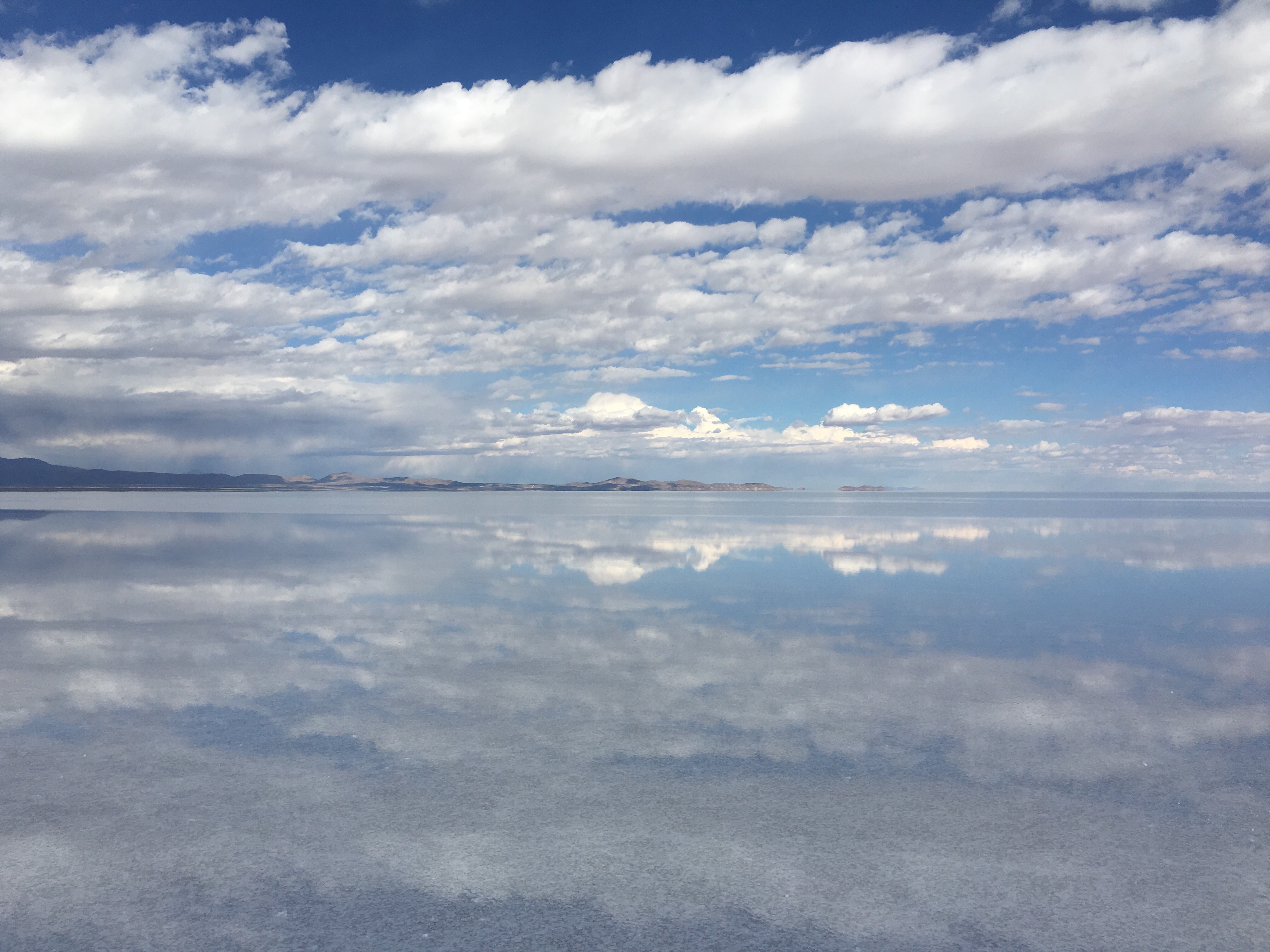
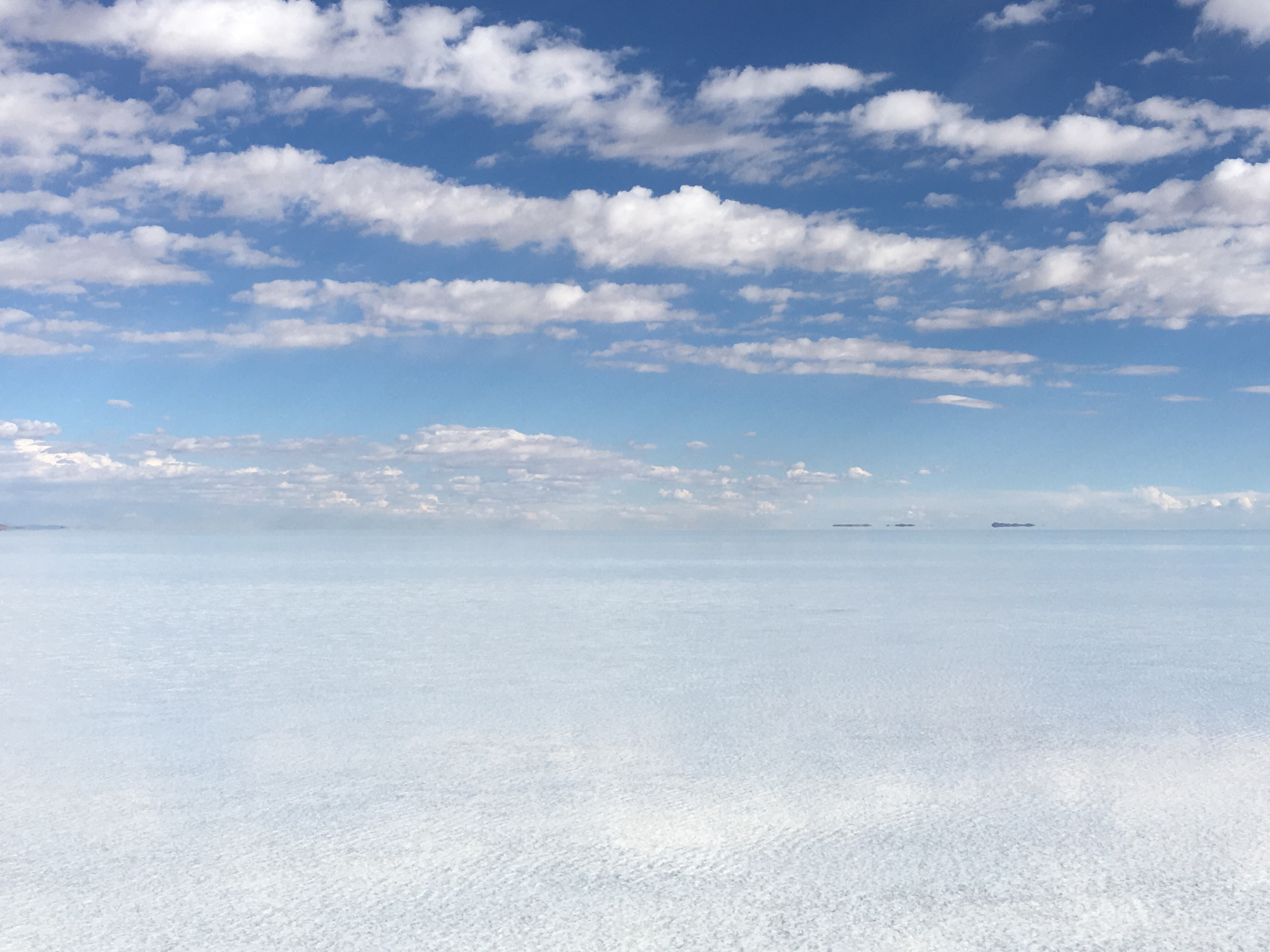
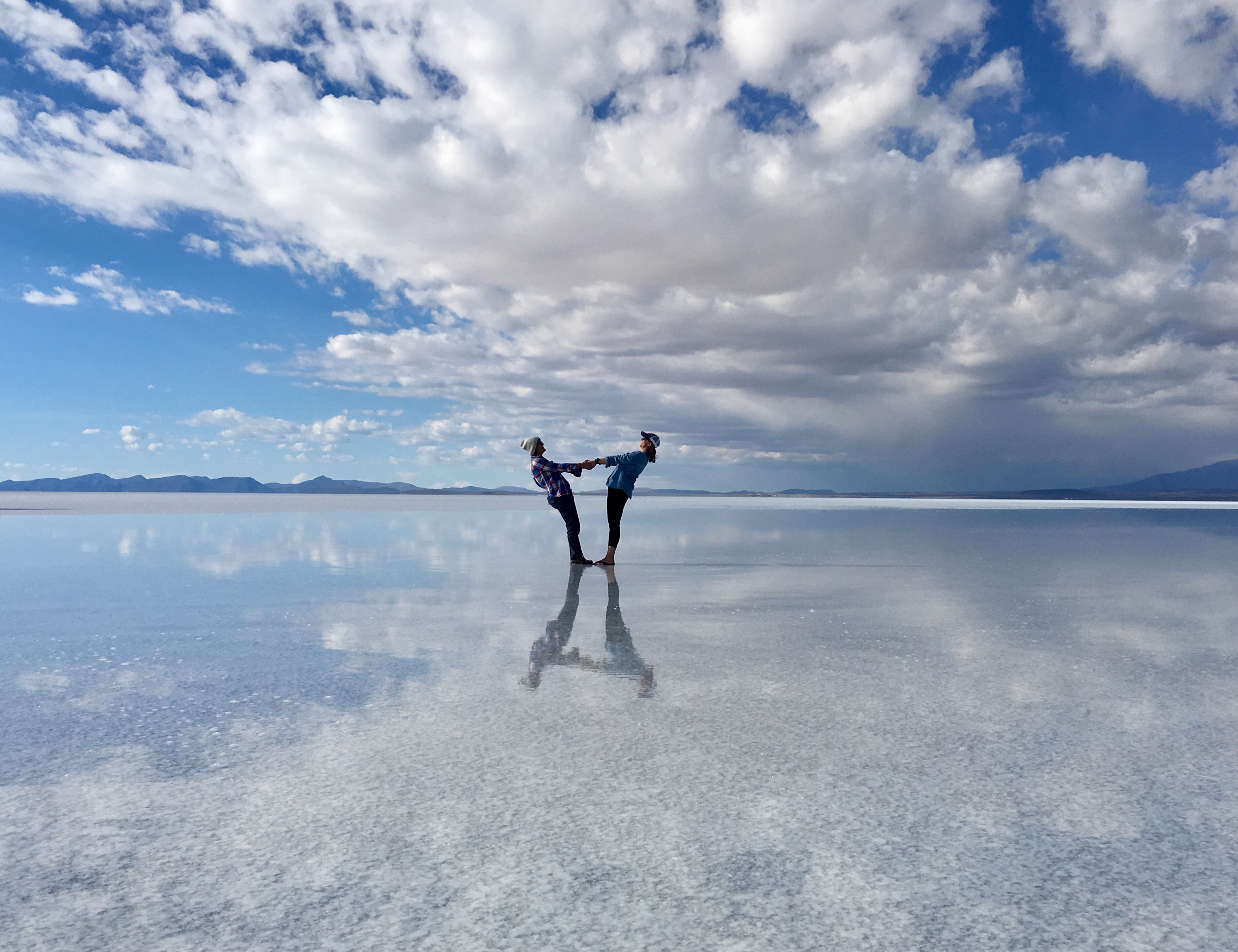
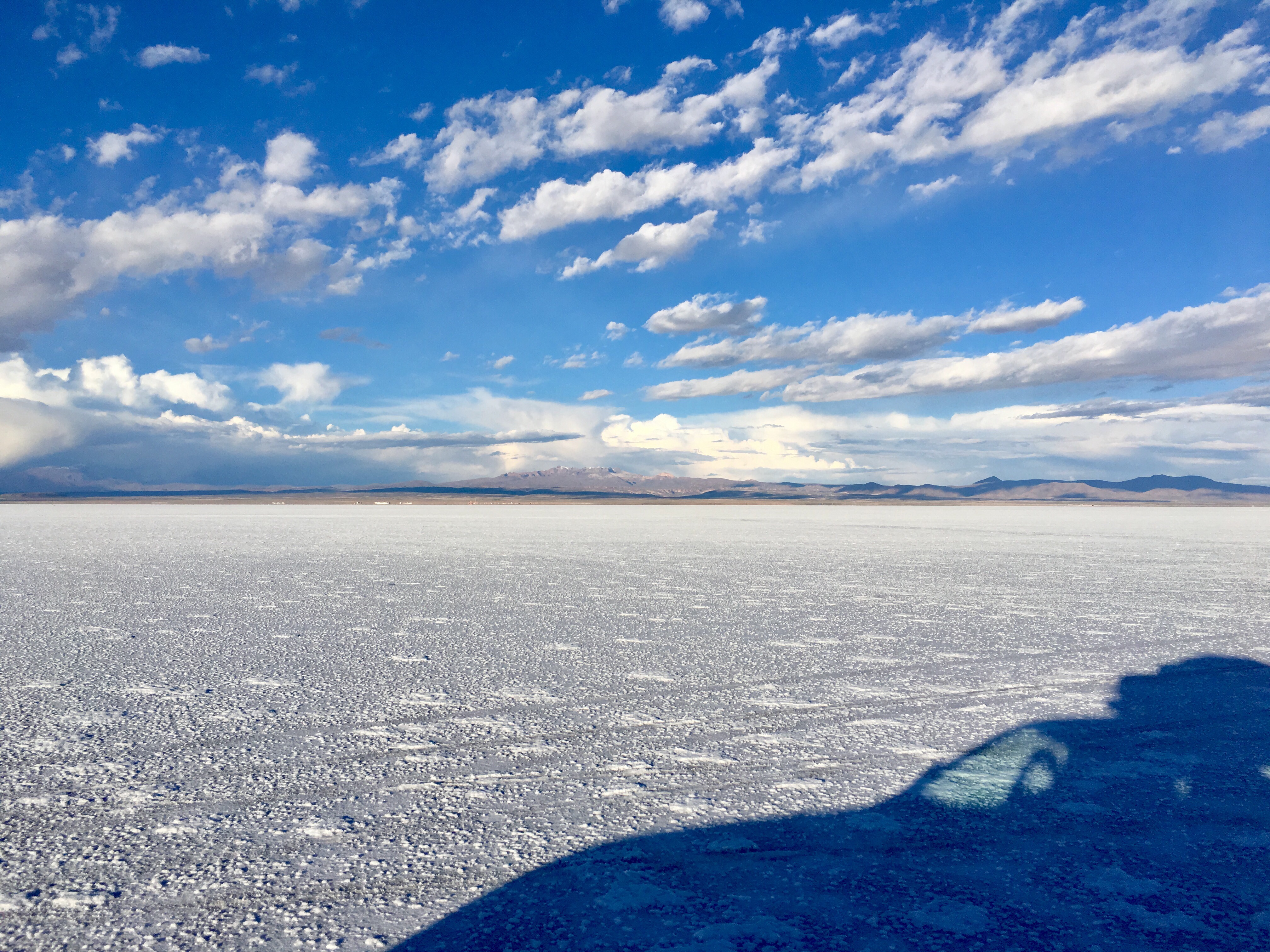
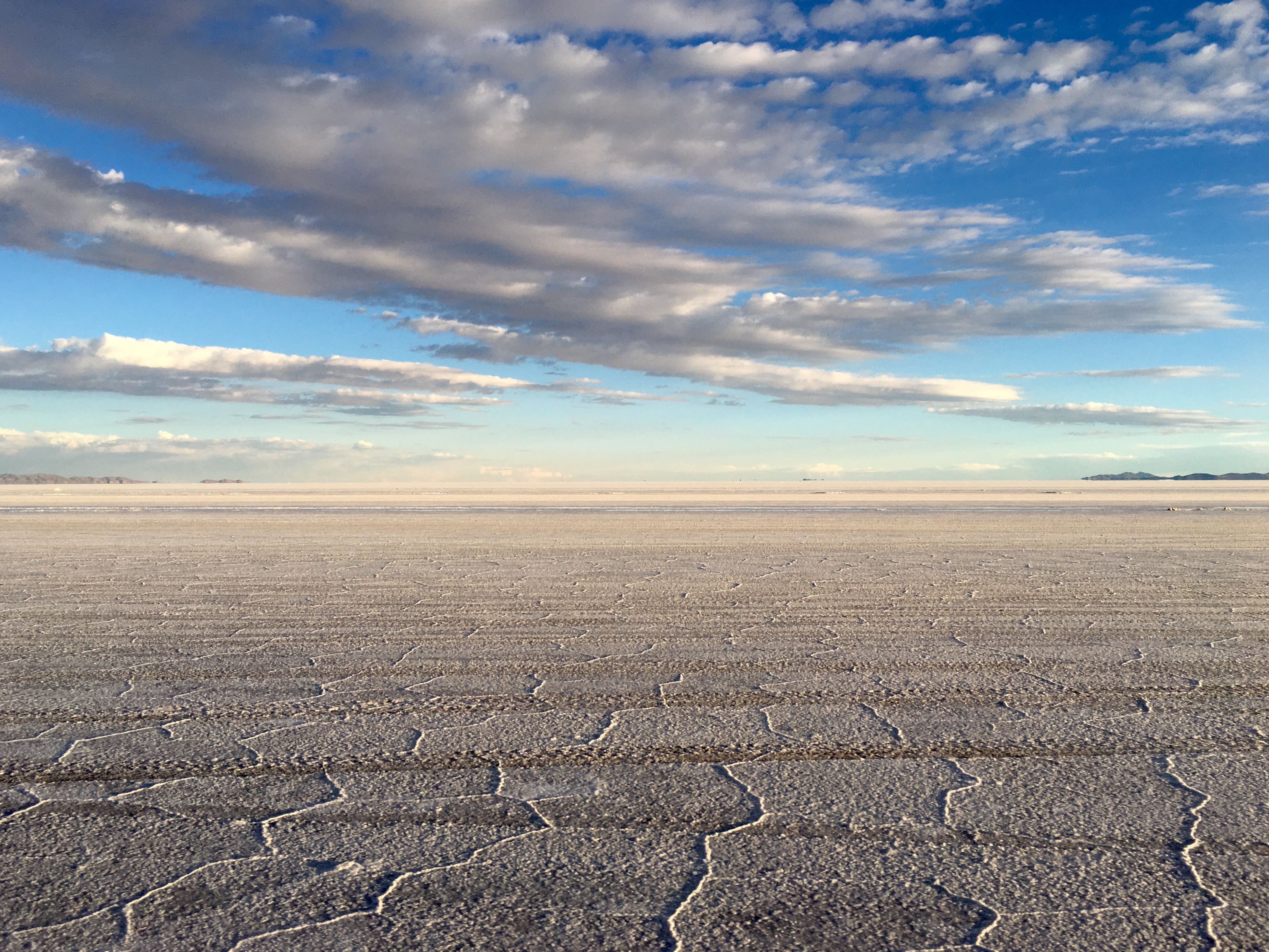
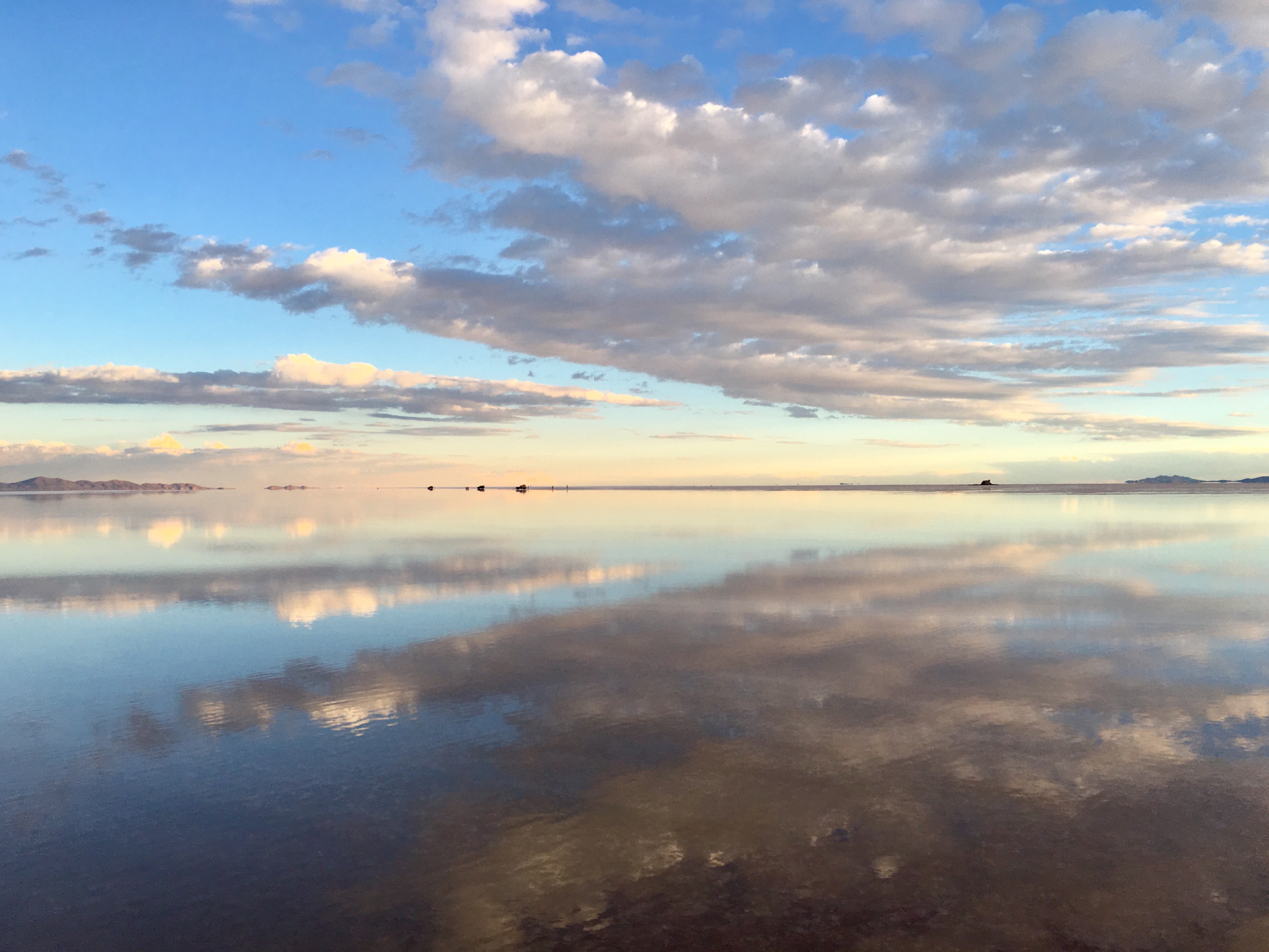
Now what is it? Uyuni is this tiny town in the bleak altiplano of SW Bolivia. To reach it, we took an overnight bus from La Paz, got into town around 5am, booked a 3-day tour of the surrounding area & left by 10am. Efficient. You go to Uyuni as a jumping off point to visit the spectacular Salar de Uyuni, 9000 sq kms of by far the largest salt lake in the world. During the wet season with a couple inches of rain, the surface turns into a massive mirror creating bizarre reflections as the horizon disappears. As if that’s not enough, you also visit Uyuni to see the Reserva de Fauna Andina Eduardo Avaroa, a 7000 sq km wildlife reserve ranging in altitude from 4000 to 6000m & featuring a massive contrast in scenery including desolate desert landscapes, glacial salt lakes stained bright red or green & massive snowcapped volcanic peaks. Both are otherworldly. Prior to visiting, I was positive the salt flats, toured on the first day, would be the standout. And then the reserve blew my mind. Both are worthy of their own post primarily bc there’s no chance I could cram all photos into one.



















 amusemusings