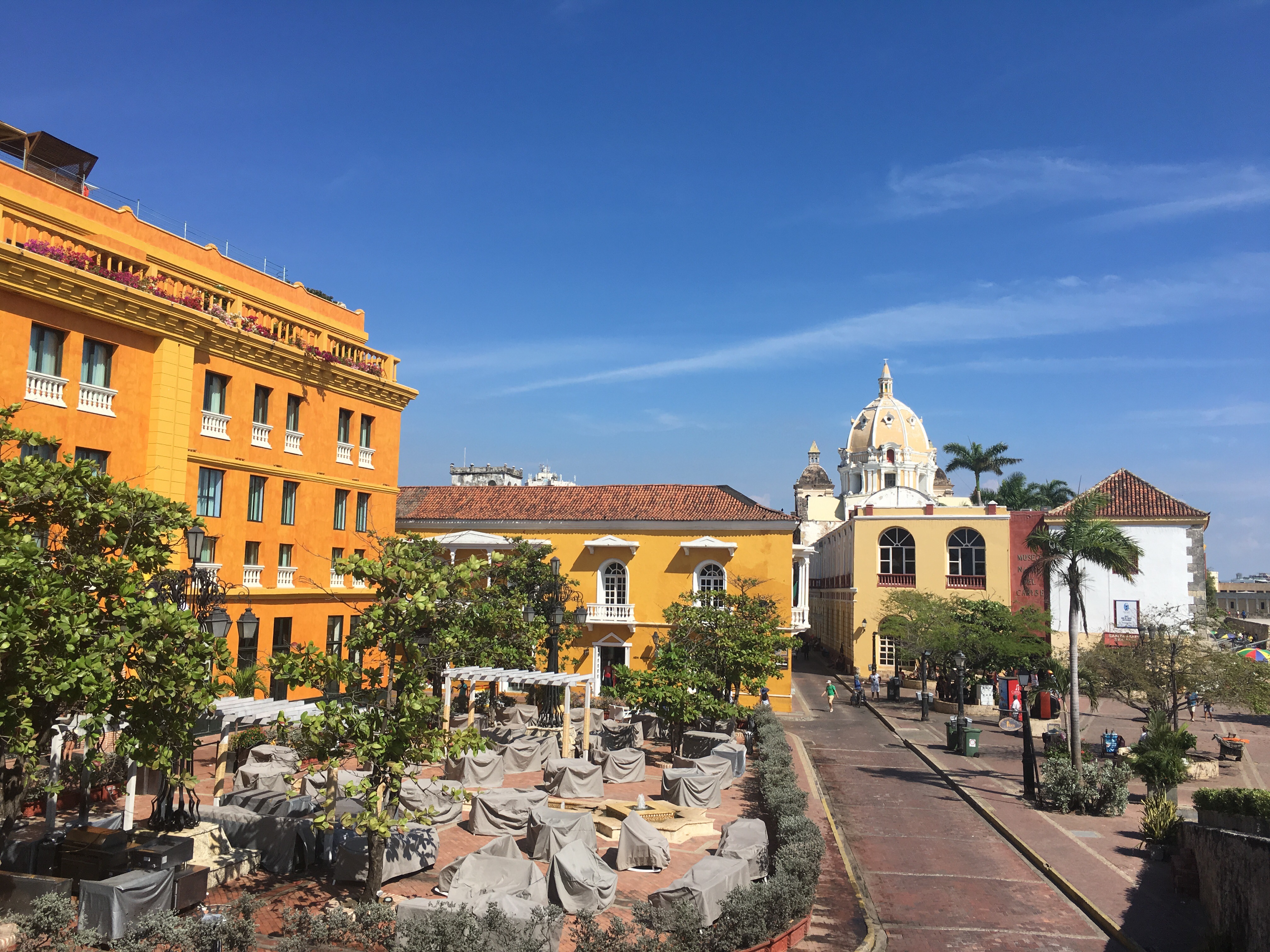
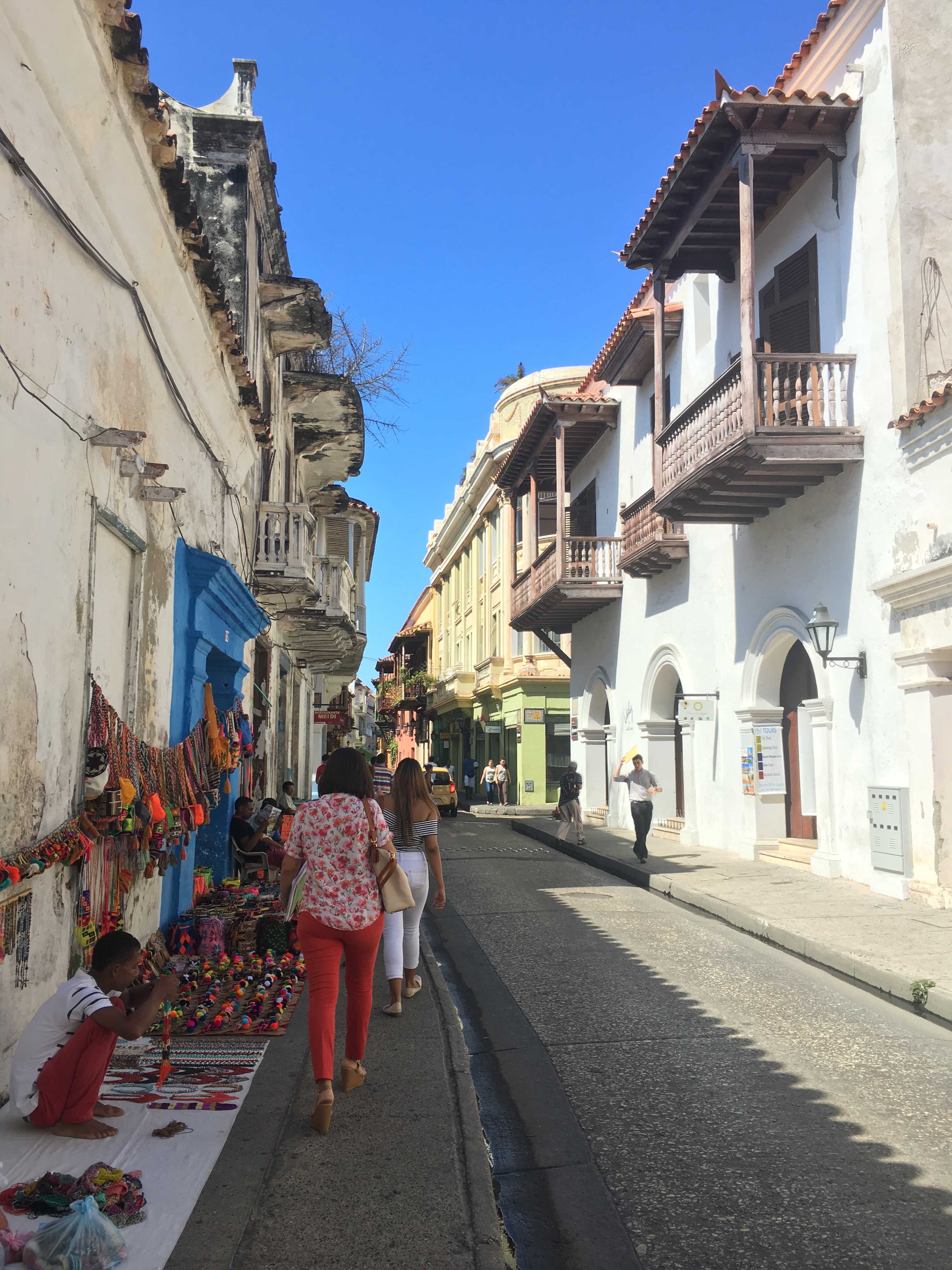
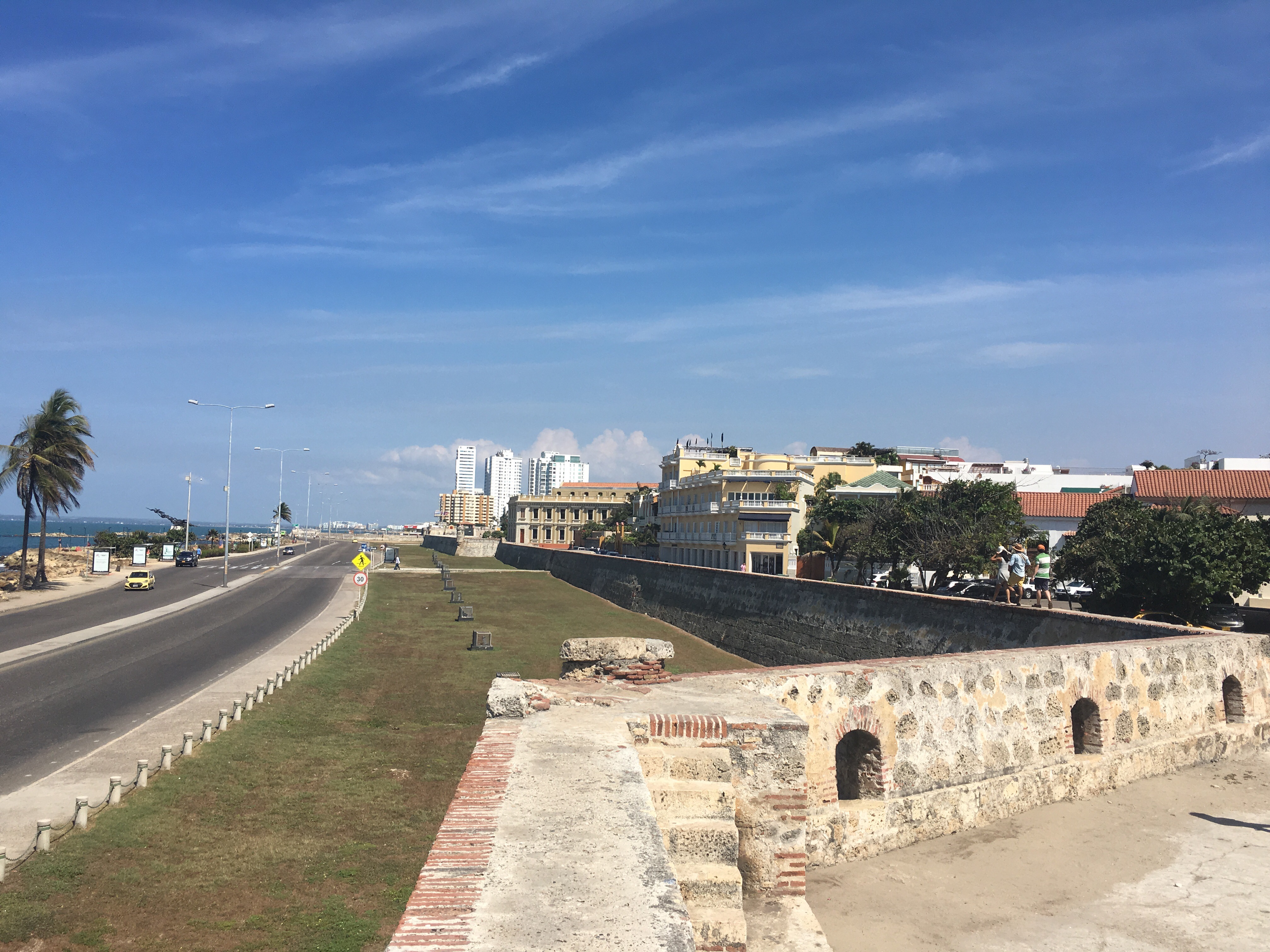
Cartagena… a little reminder of Havana

I was super excited to see Cartagena, a gorgeous Spanish colonial city on the Caribbean Sea. I thought I’d spend 5 nights here. I was planning to until I had to move up a future destination. So I only had 3 nights. It was enough although I had to cut out a jaunt to some outlying islands where I probably could’ve found some decent scuba diving (I need my fix).  
A couple things about Cartagena: 

(1) Cartagena is an outlier in Colombia as it’s expensive with prices nearing US levels. Which is a bummer.

(2) I was forewarned in the coffee country about the heat. I spent months in SE Asia so I admittedly shrugged it off. It’s MF hot in Cartagena. When you’re on the equator, that sun is just so goddam strong. So my schedule in Cartagena went something like this: sleep til 8, eat breakfast & hit the city by 9am before it’s scorching hot. Lunch at 1ish & then spend the rest of the afternoon in the shade on the rooftop of my hotel or lounge by the pool. Anything to get out of the sun. I’d come back to life around 5 & head out again to wander & enjoy the night.  
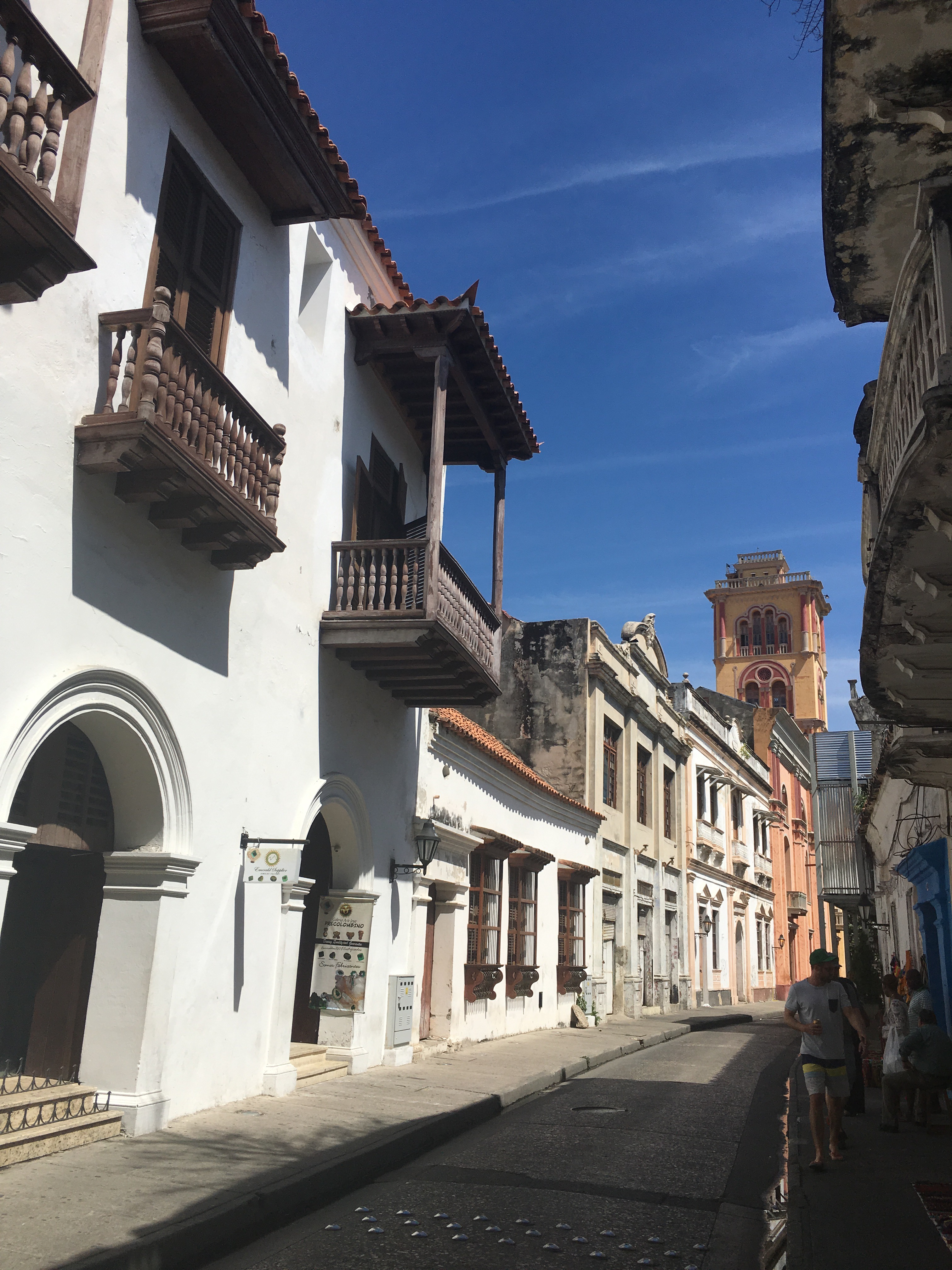
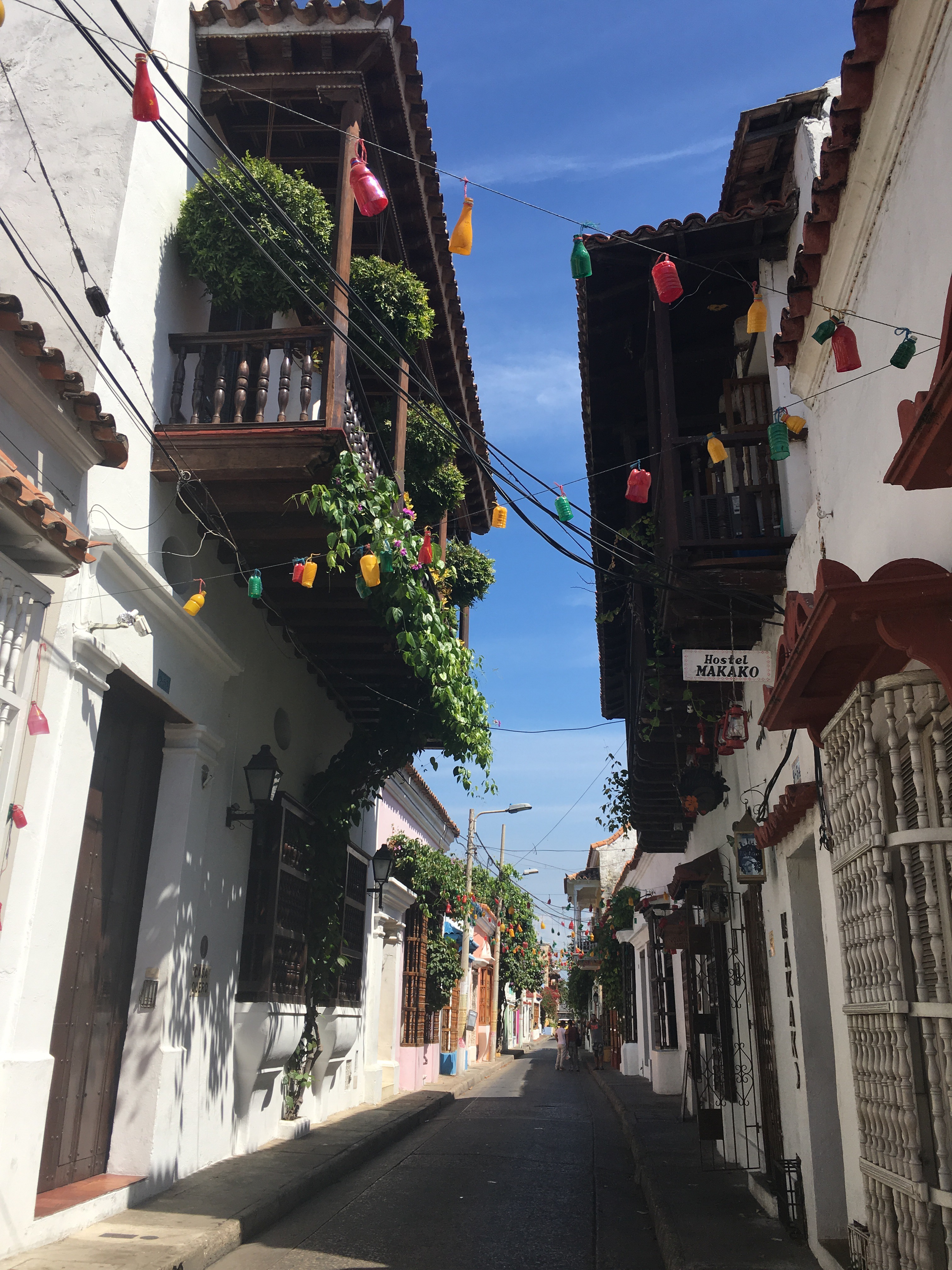
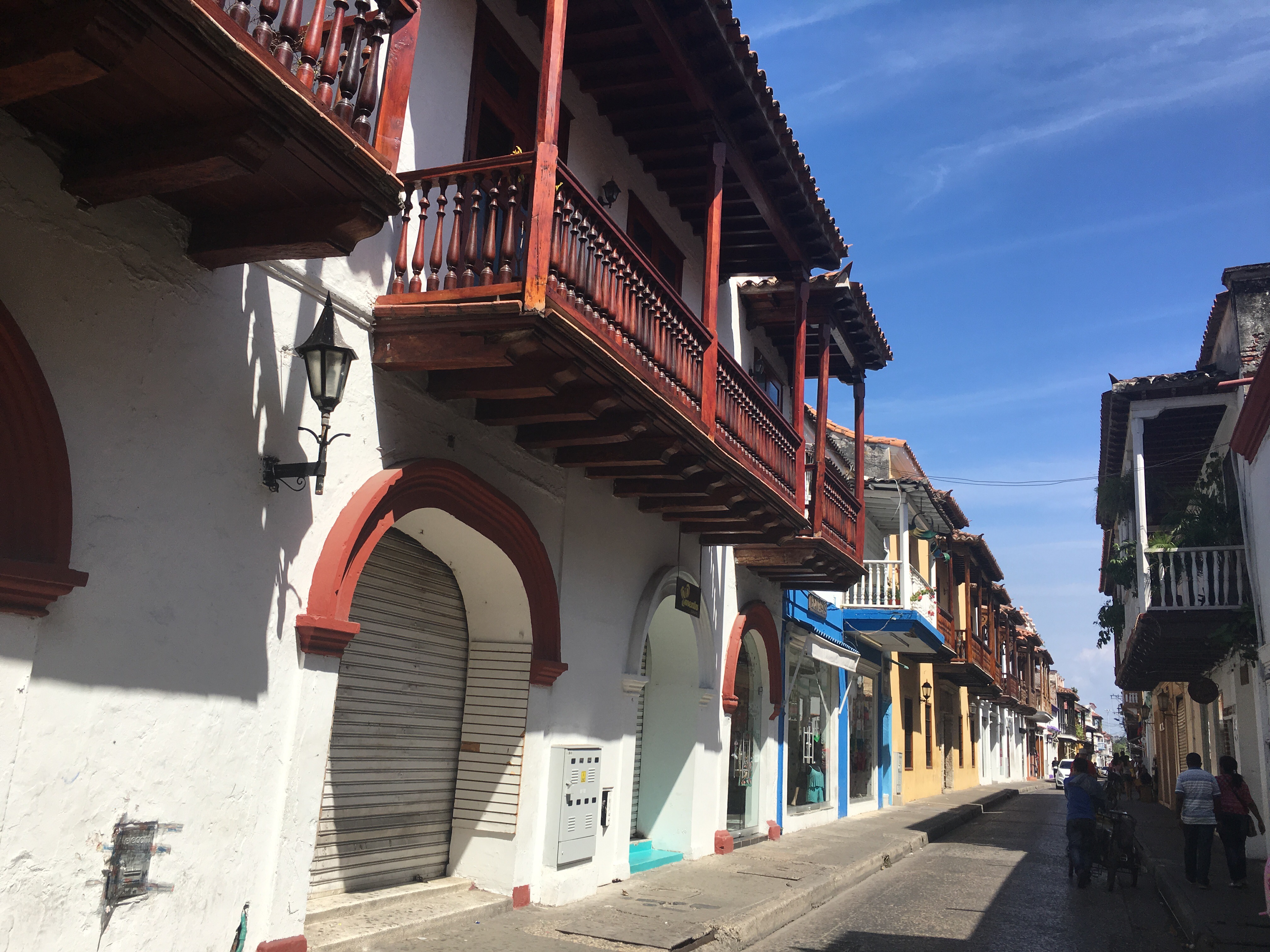
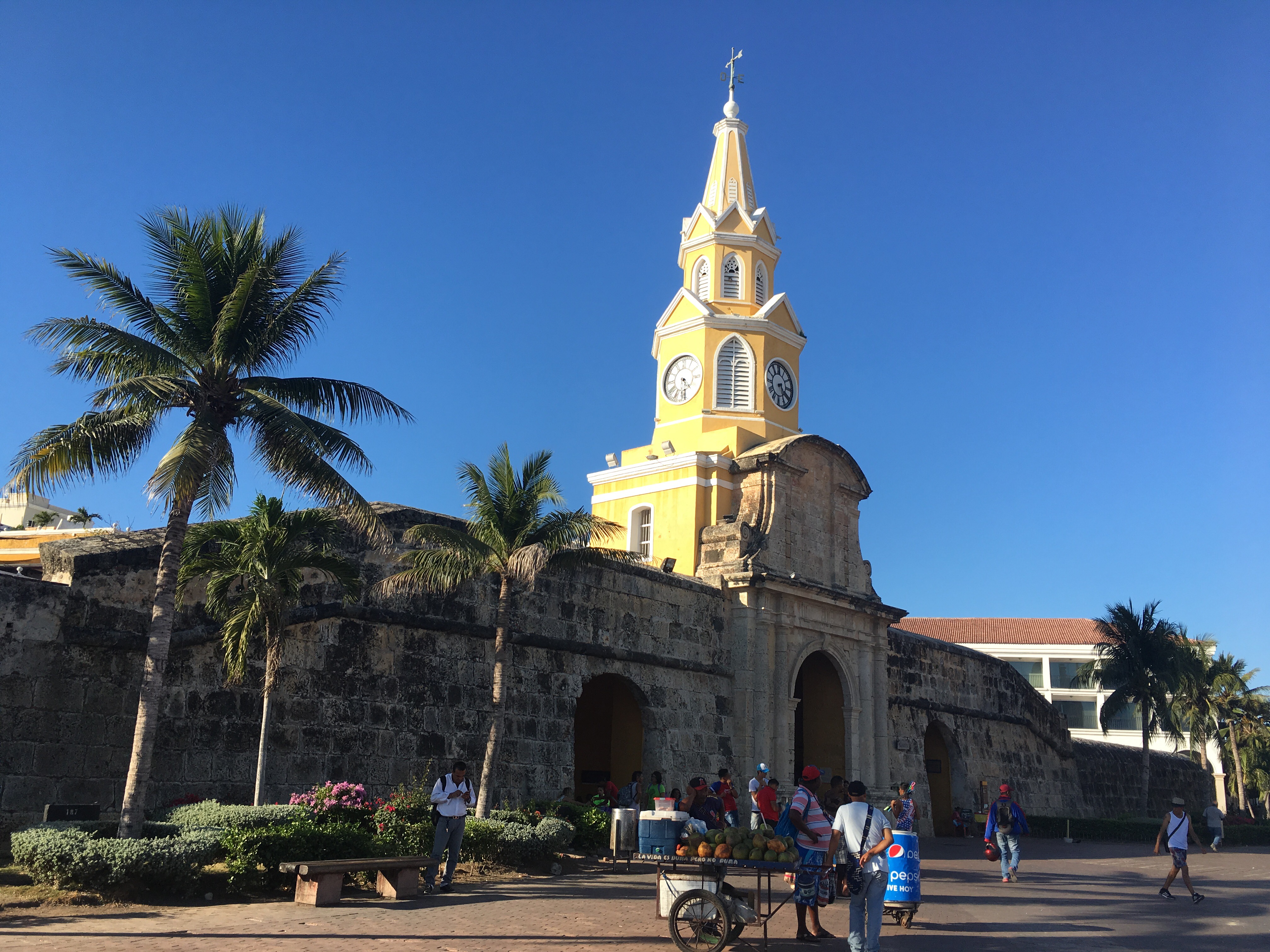
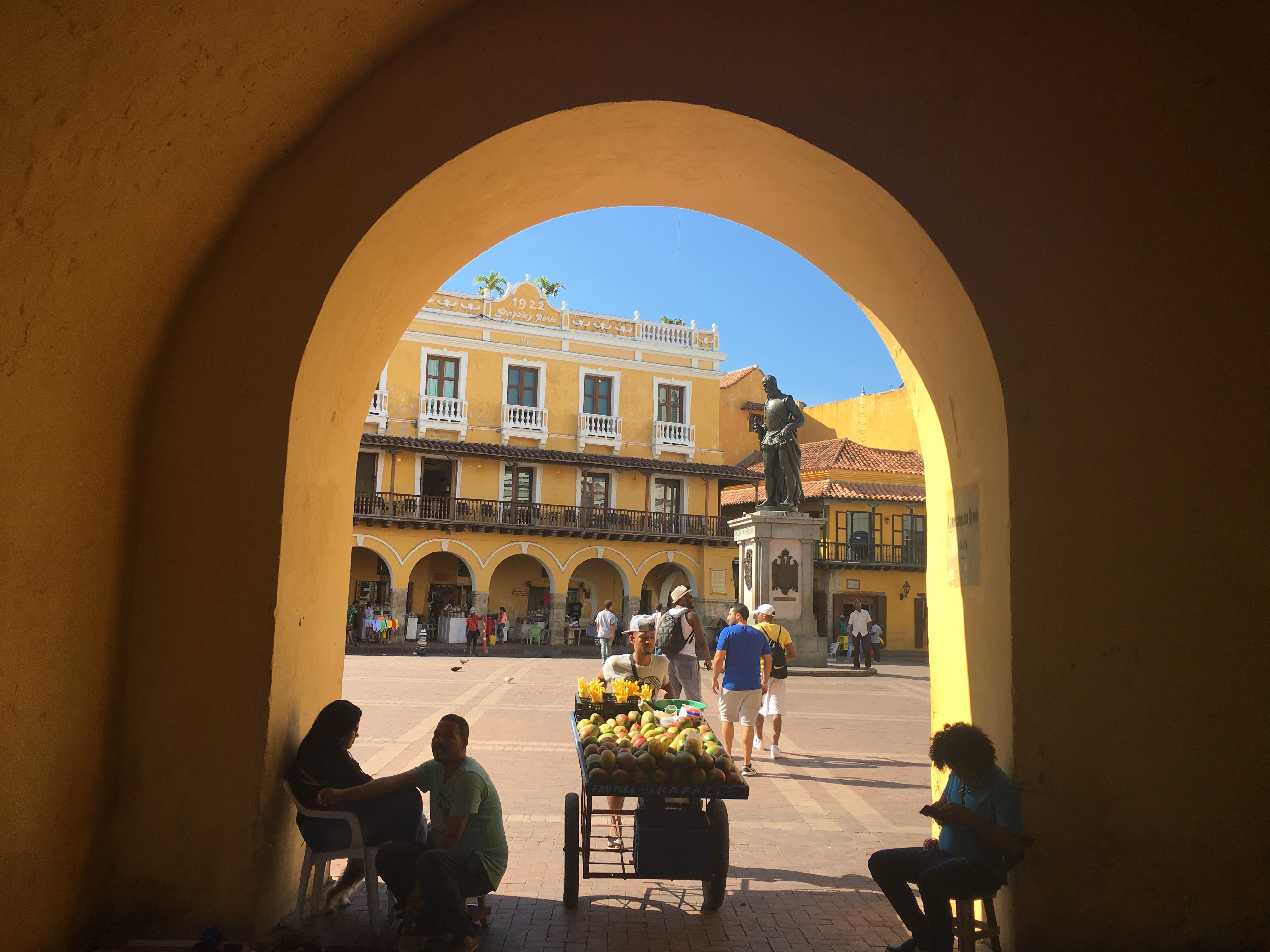
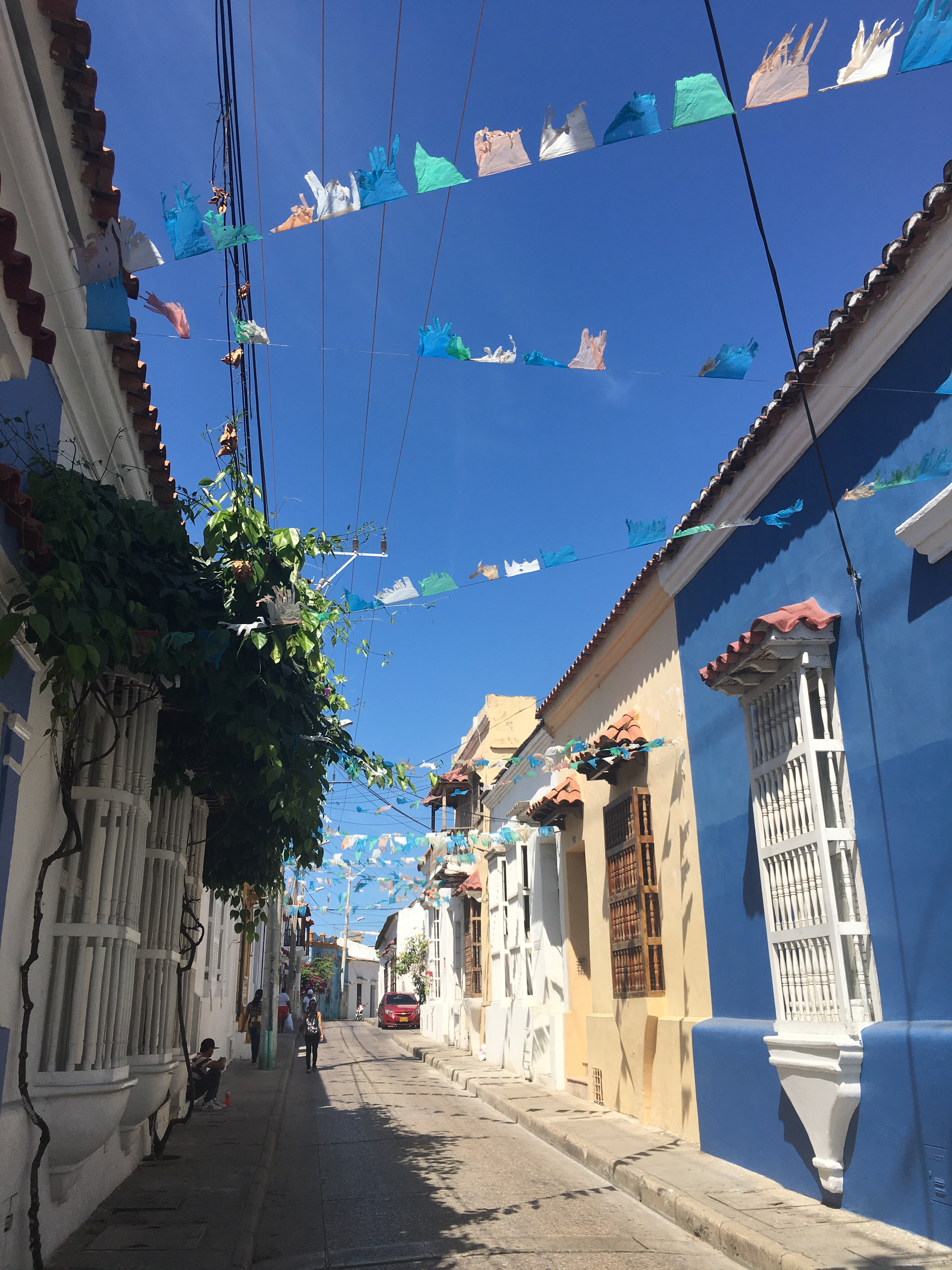
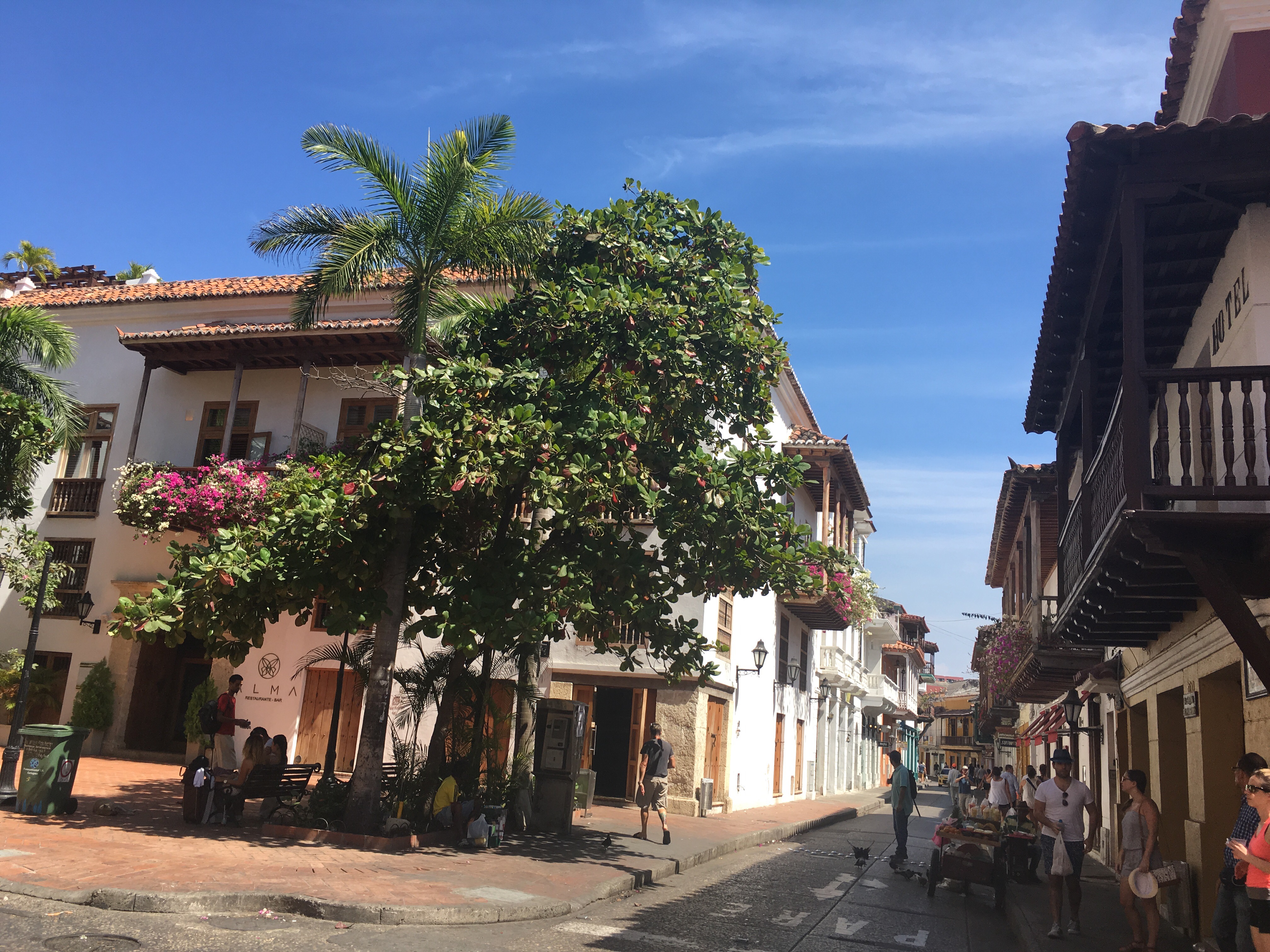
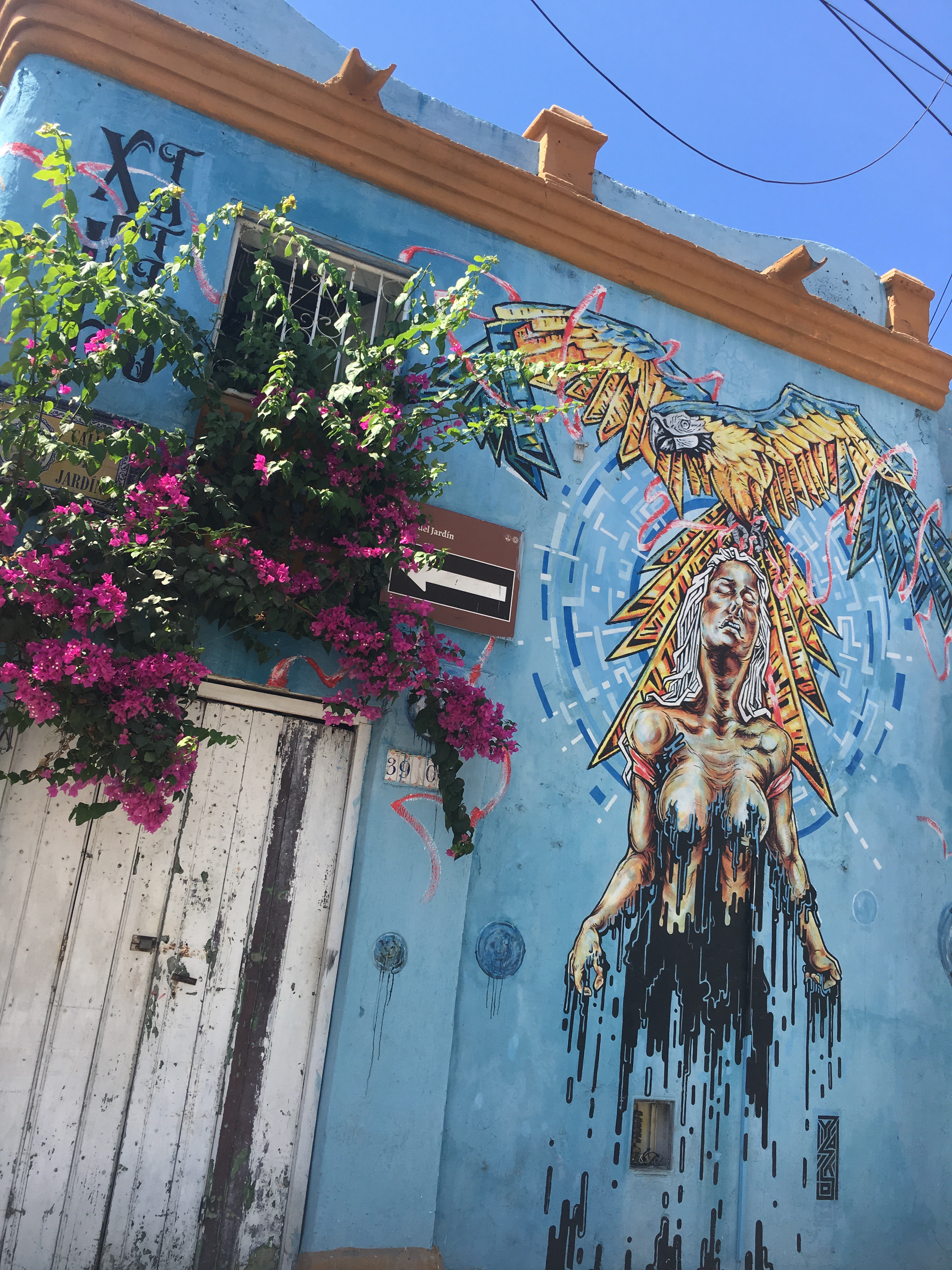
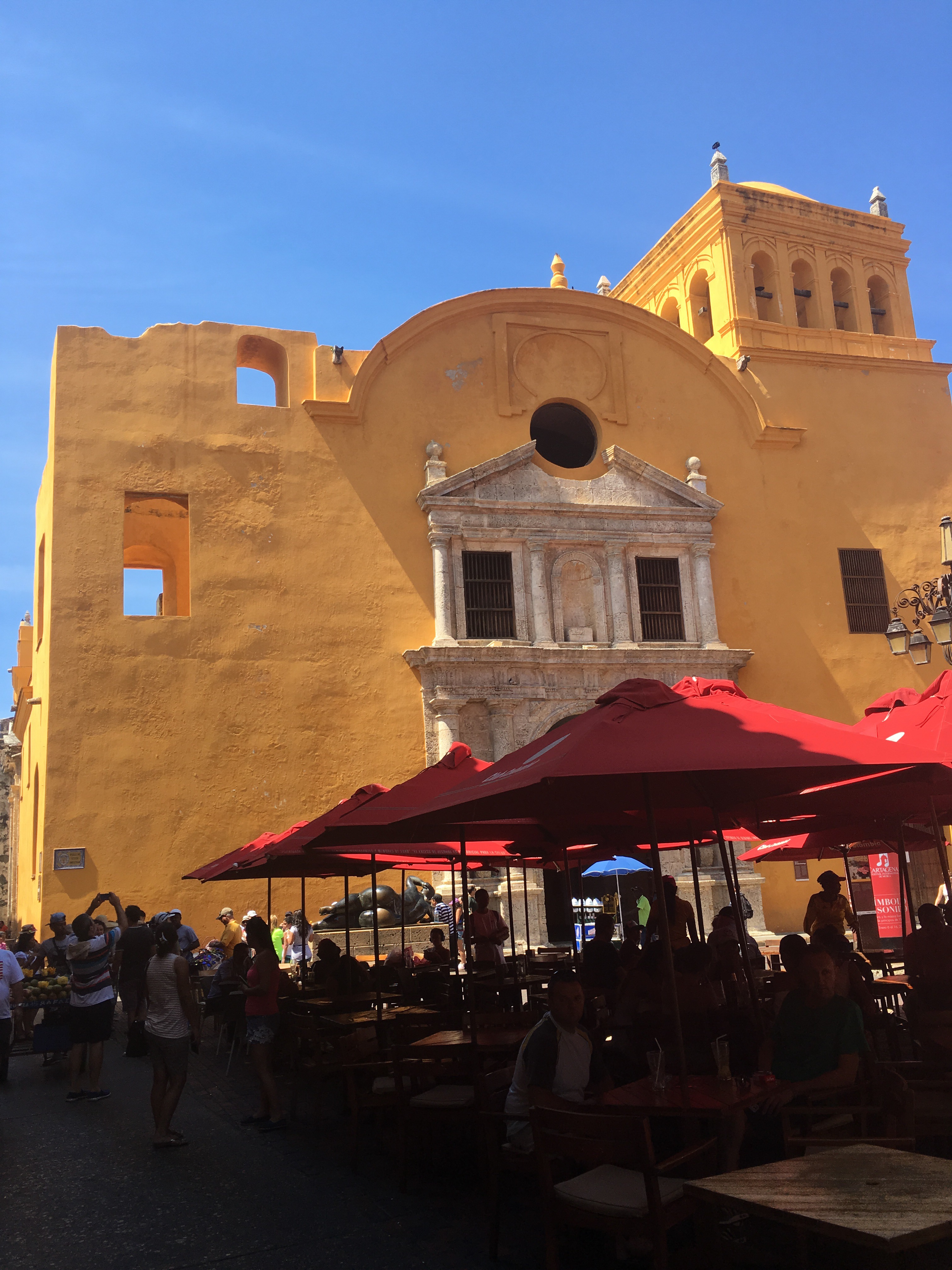
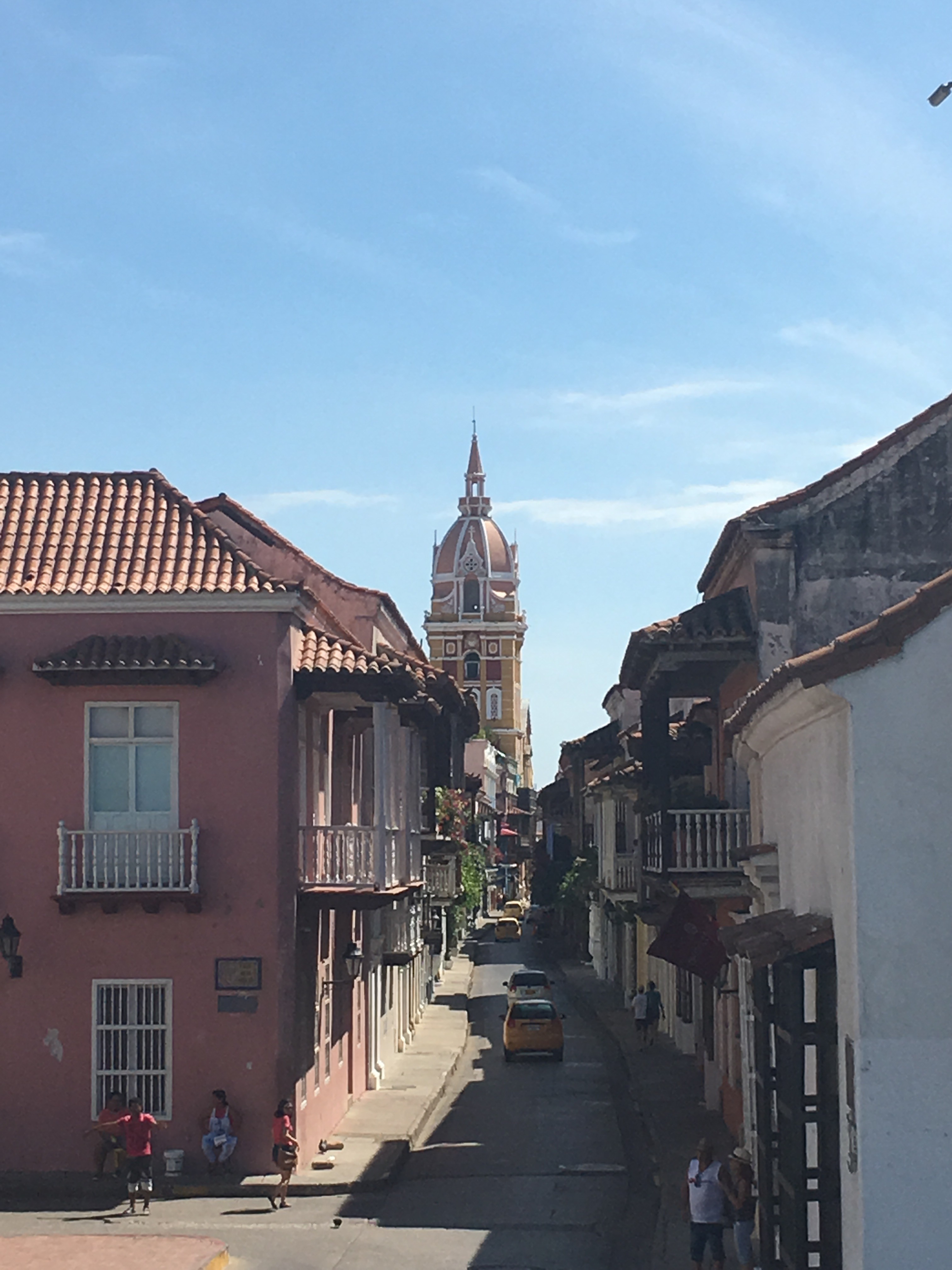
The thing to do in Cartagena is wander. Wandering photogenic cities just so happens to be my favorite thing to do traveling, taking pitstops along the way in gorgeous chill plazas at coffee shops, restos & bars. It’s impossible to get lost as long as you stay in the old town as it’s fortified by large stone walls. The city is lovely & it reminded me a bit of Havana with its picturesque winding streets although the difference is Cartagena is a pristine colonial town unlike the dilapidated Havana (which in my opinion, just adds to its romanticism). I’m not sure there will ever be a more charming city than Havana so I should probably just remove it from any future equations. 
Although I didn’t read it anywhere, the city should be known for its big imposing wooden verandas. Just gorgeous.


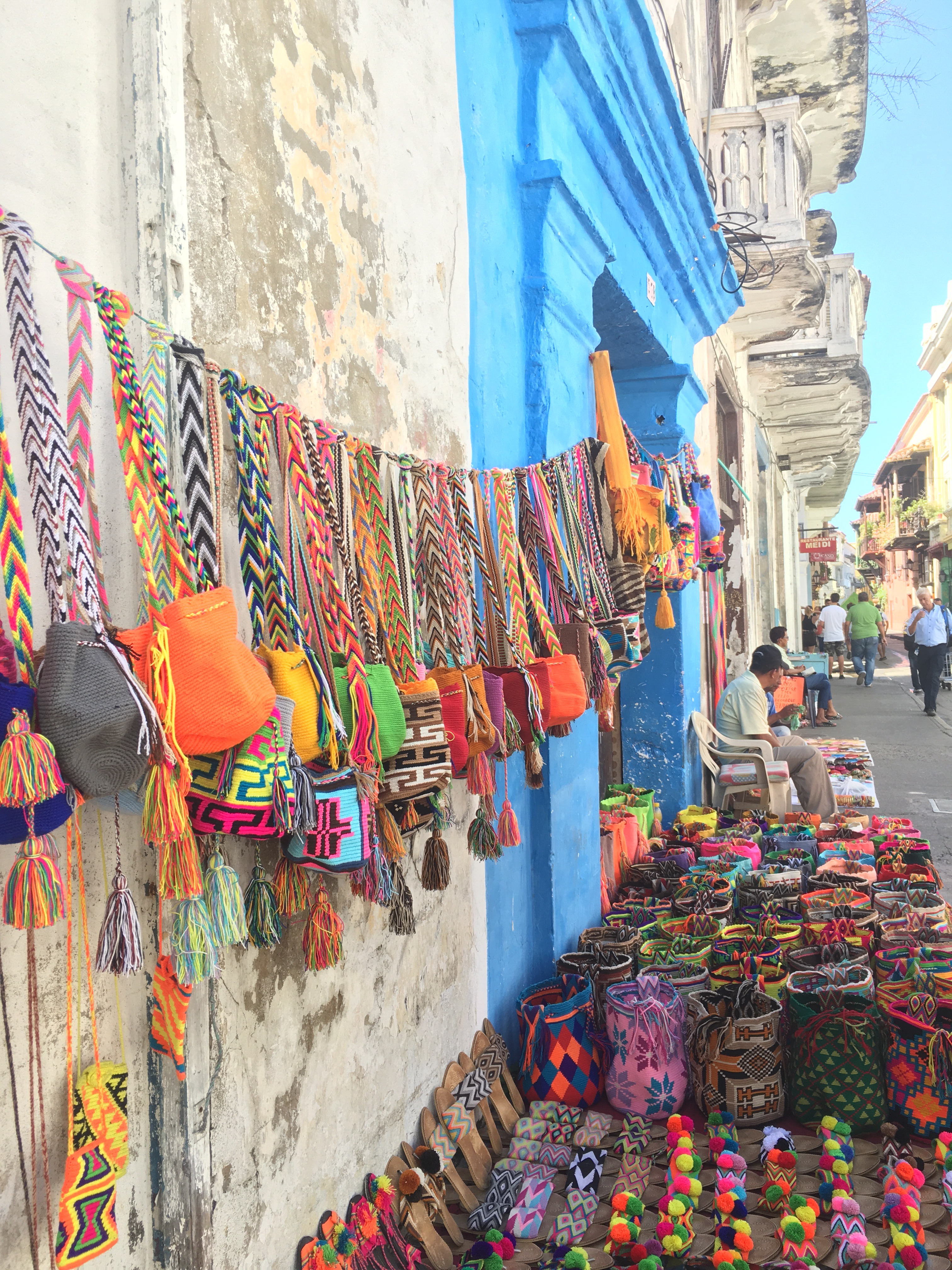
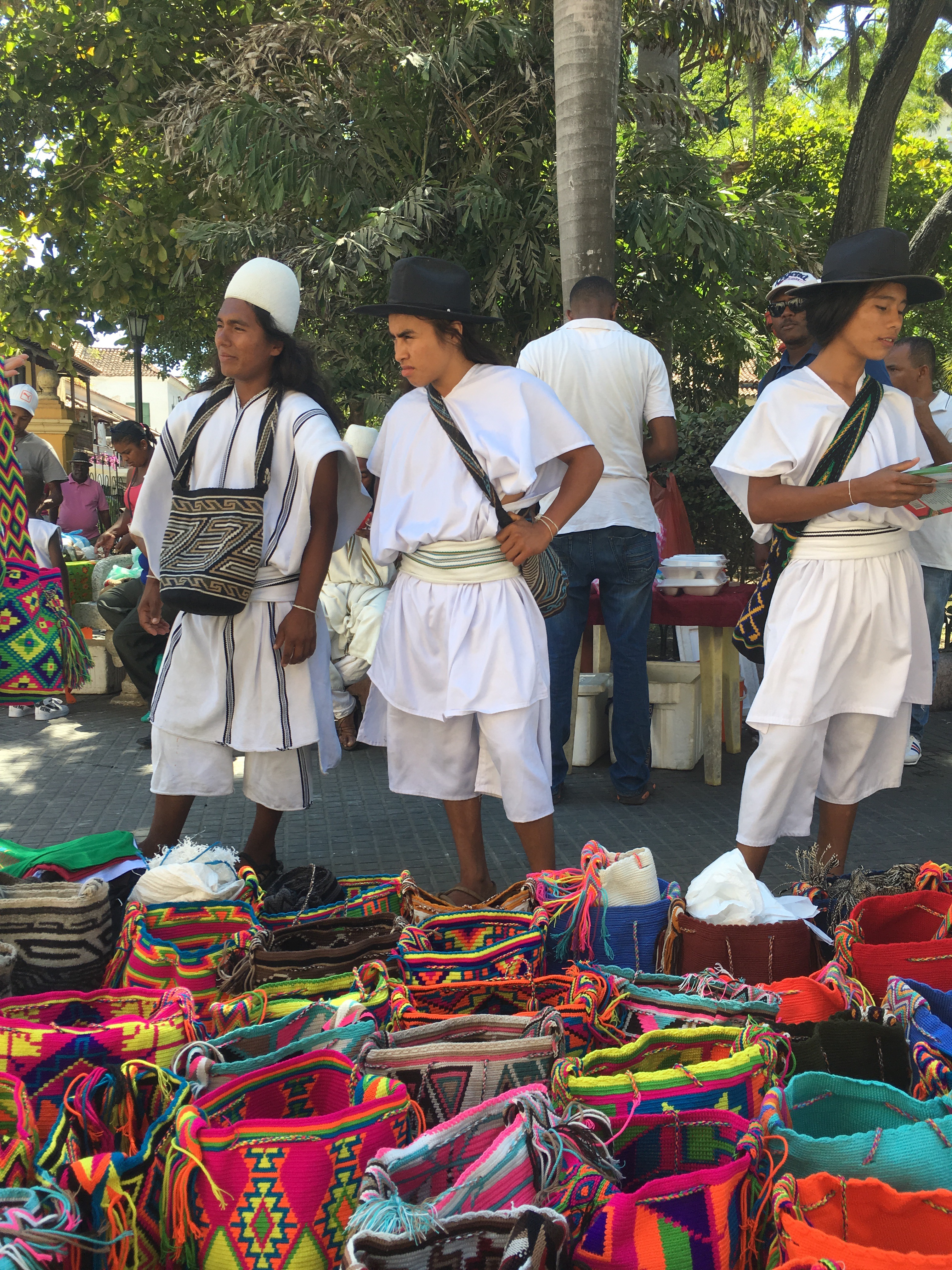
These bags are made by the Wayuu tribe in La Guarija in N Colombia. They also make these ridiculously amazing large hammocks (chinchorros) that are so warm & could fit 3 of me. I’m going there. I’m going to want to bring one home. Bag & chinchorro. Chinchorro will be tricky.
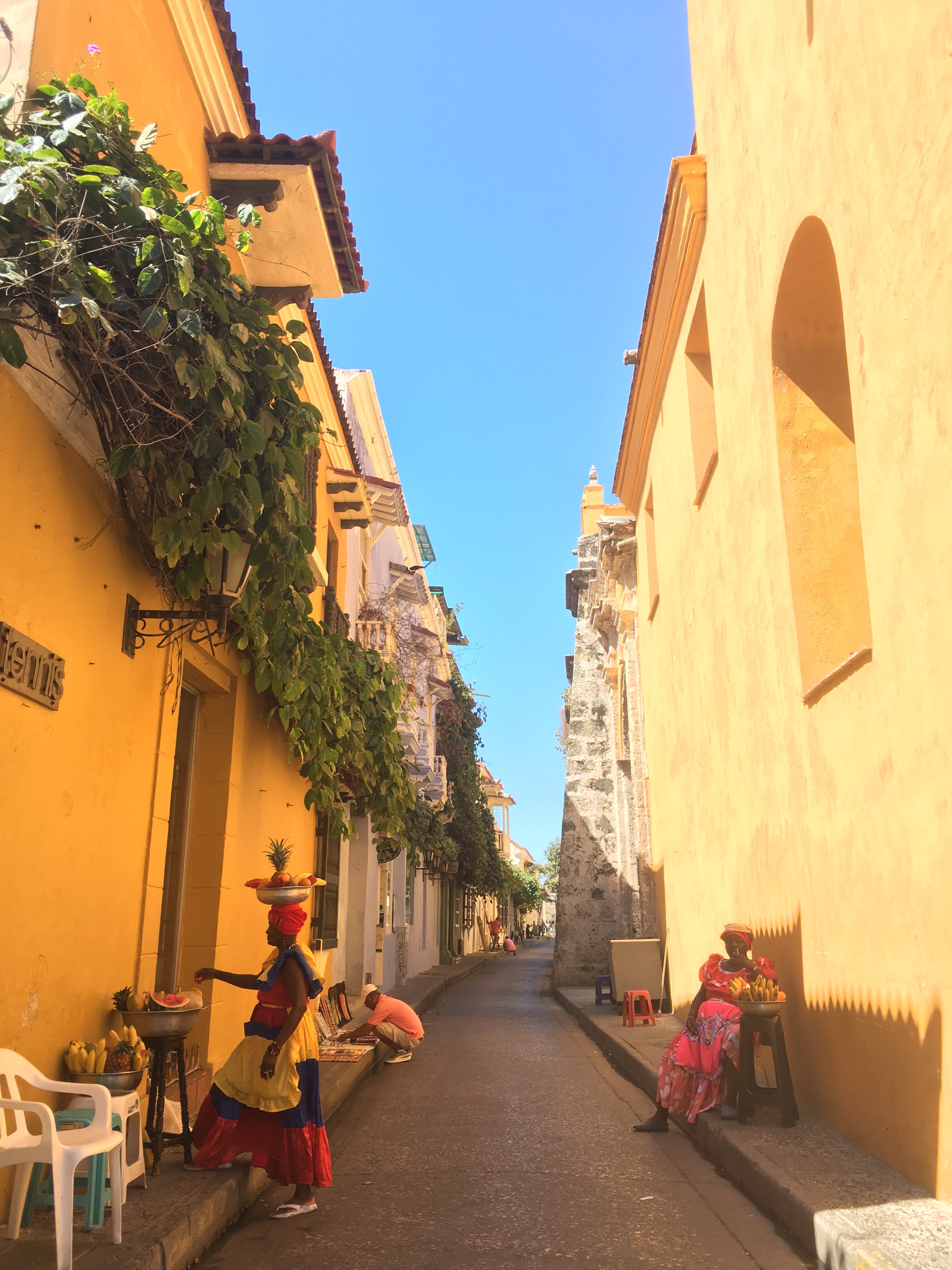
Believe it or not, I actually asked permission to take this photo. Boy have they got their posing down.


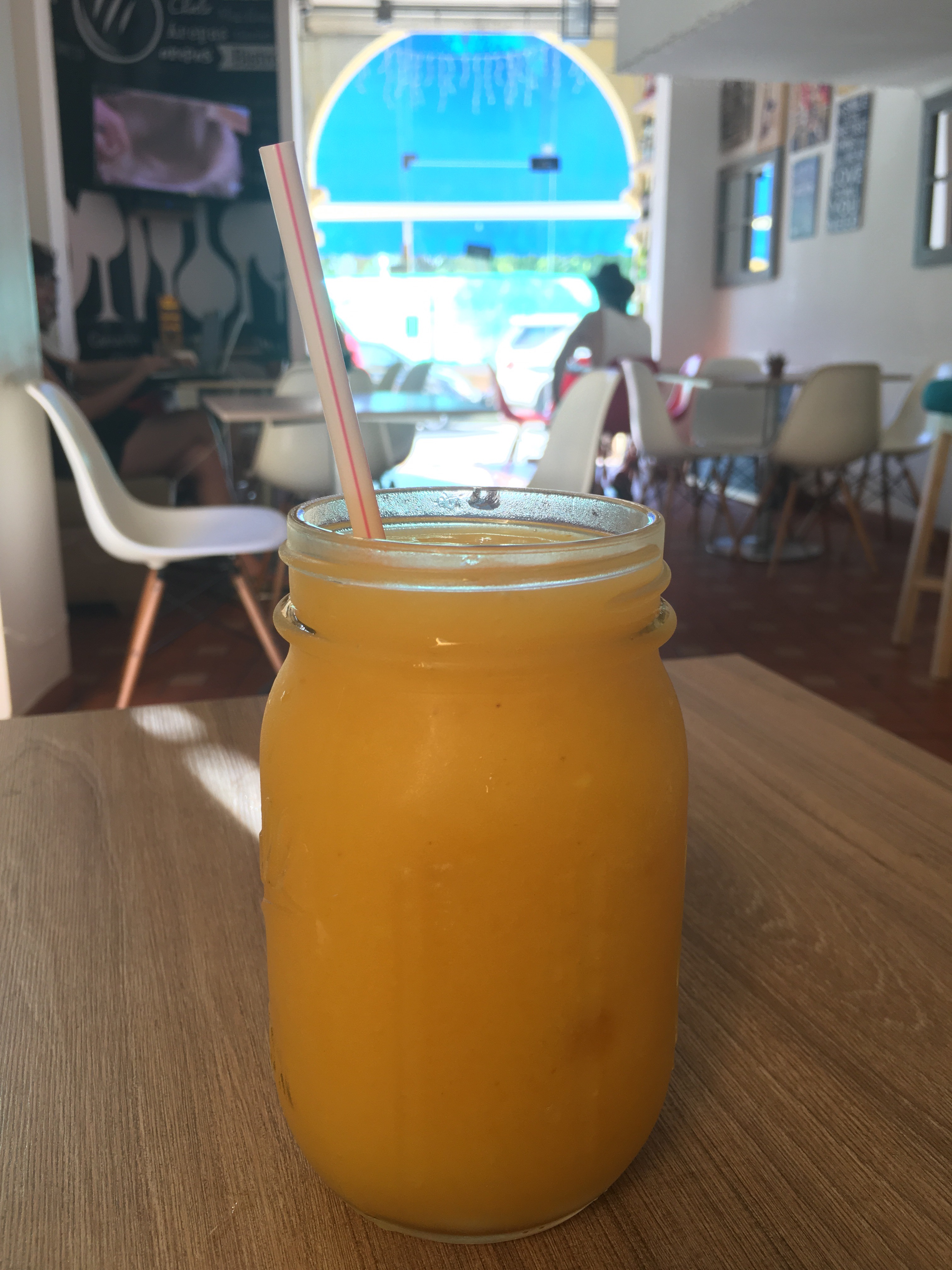
One of my far-too-many-to-count fresh fruit juices

Coffee (& chocolate) in Colombia… La Zona Cafetera

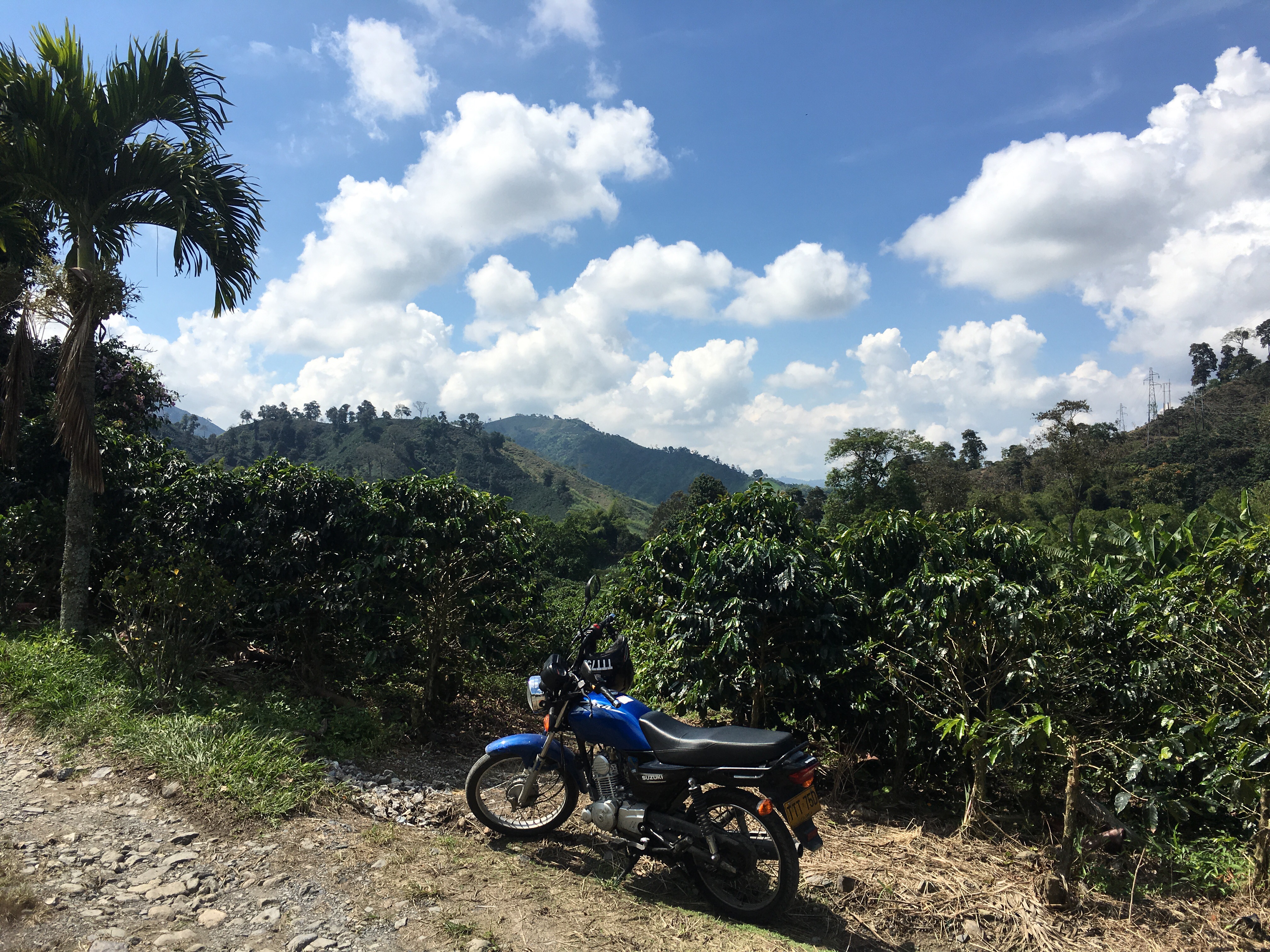
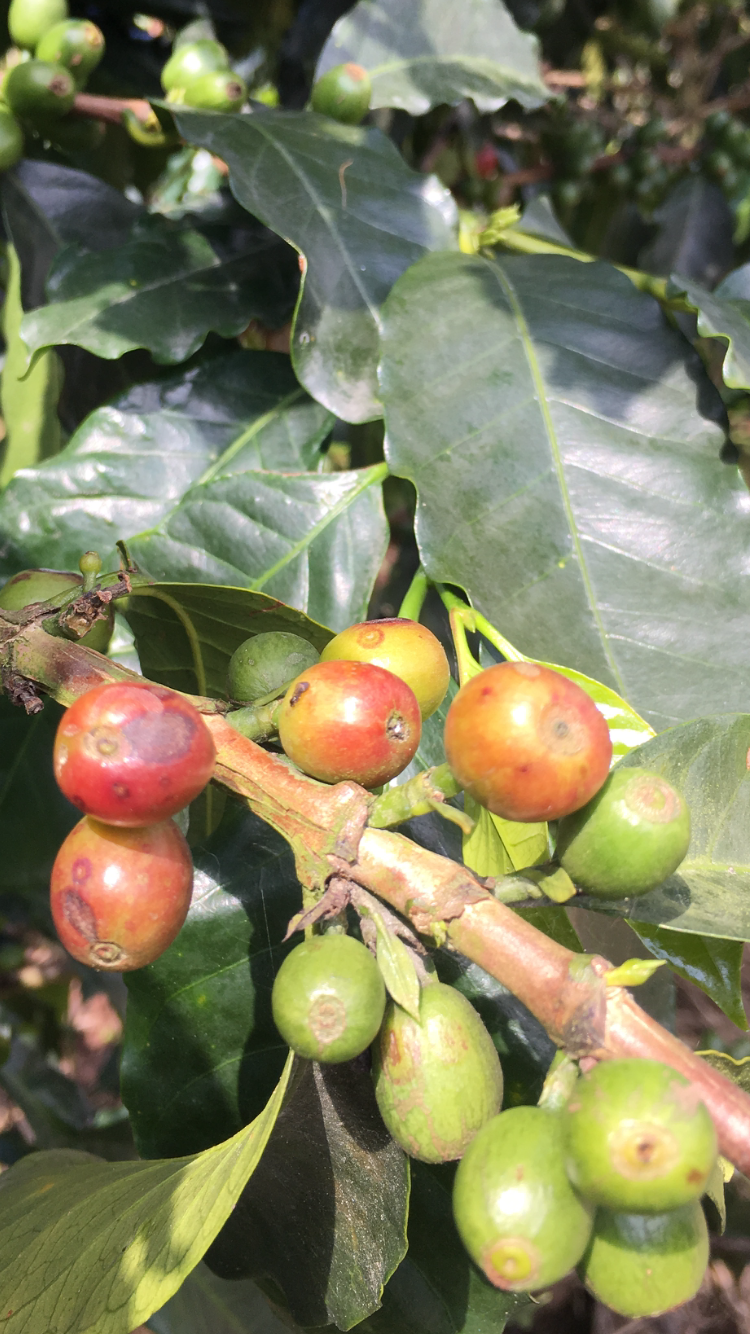
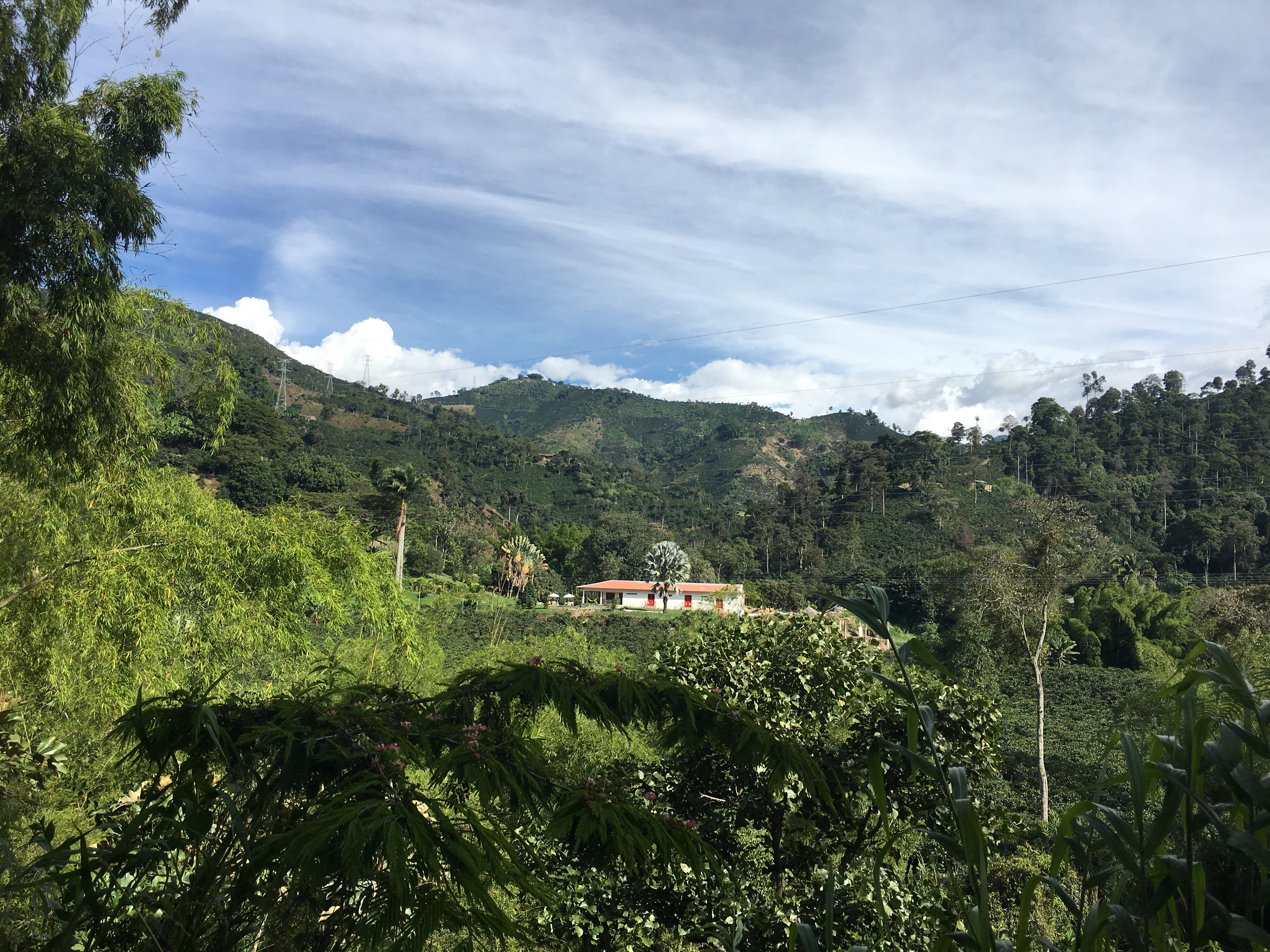
Thinking about Colombia, what comes to mind? Cocaine & coffee right? The country’s heyday on the former is thankfully past so tops on my list was most definitely to dive into the latter. No better way to do that then actually stay on a coffee farm in La Zona Cafetera, the Arabica-growing coffee mecca of Colombia, located just a 5hr bus ride South from Medellin near Manizales. The bus was more of a van jammed w 9 people plus the driver. Thankfully I had a bucket seat so while legroom was severely limited, there wasn’t anyone sitting on either side. I managed to convey to the driver before leaving that I wished to be dropped approximately 20 mins before Manizales at a pedestrian bridge with a restaurant nearby as I was going to a coffee farm, Hacienda Venecia. I was a tad bit anxious about it as I was unsure whether myself or the driver would recognize the site but turns out, there was nothing to worry about as it was very obvious. The driver swung over, dropped me & my backpack in the middle of nowhere & I wandered into the charming little restaurant near the bridge in order to call the ranch for a pickup & enjoyed fresh fruit juice while waiting.  
As an aside… Colombia is justifiably known, in addition to coffee, for its freshly made fruit juice & it has become a daily staple in my diet featuring both known & previously unknown fruits (guanabana???). I’m more than a little obsessed.
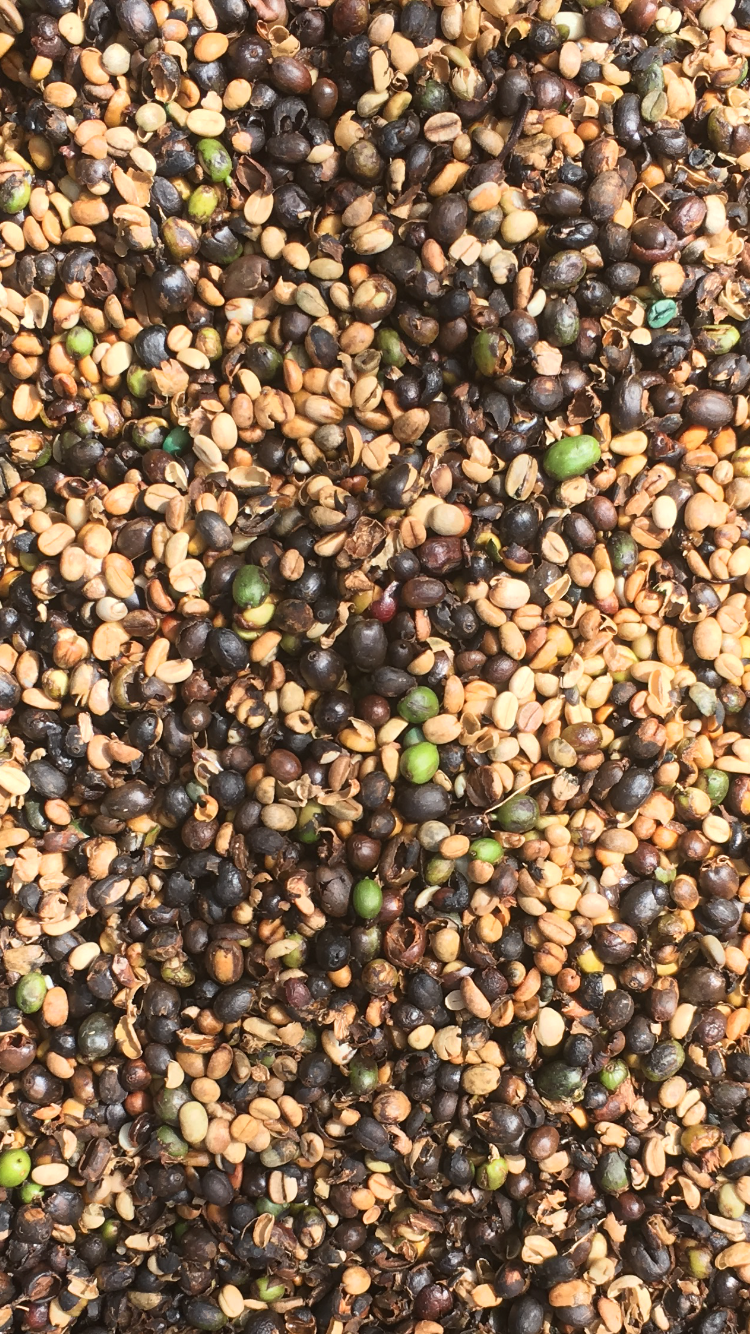
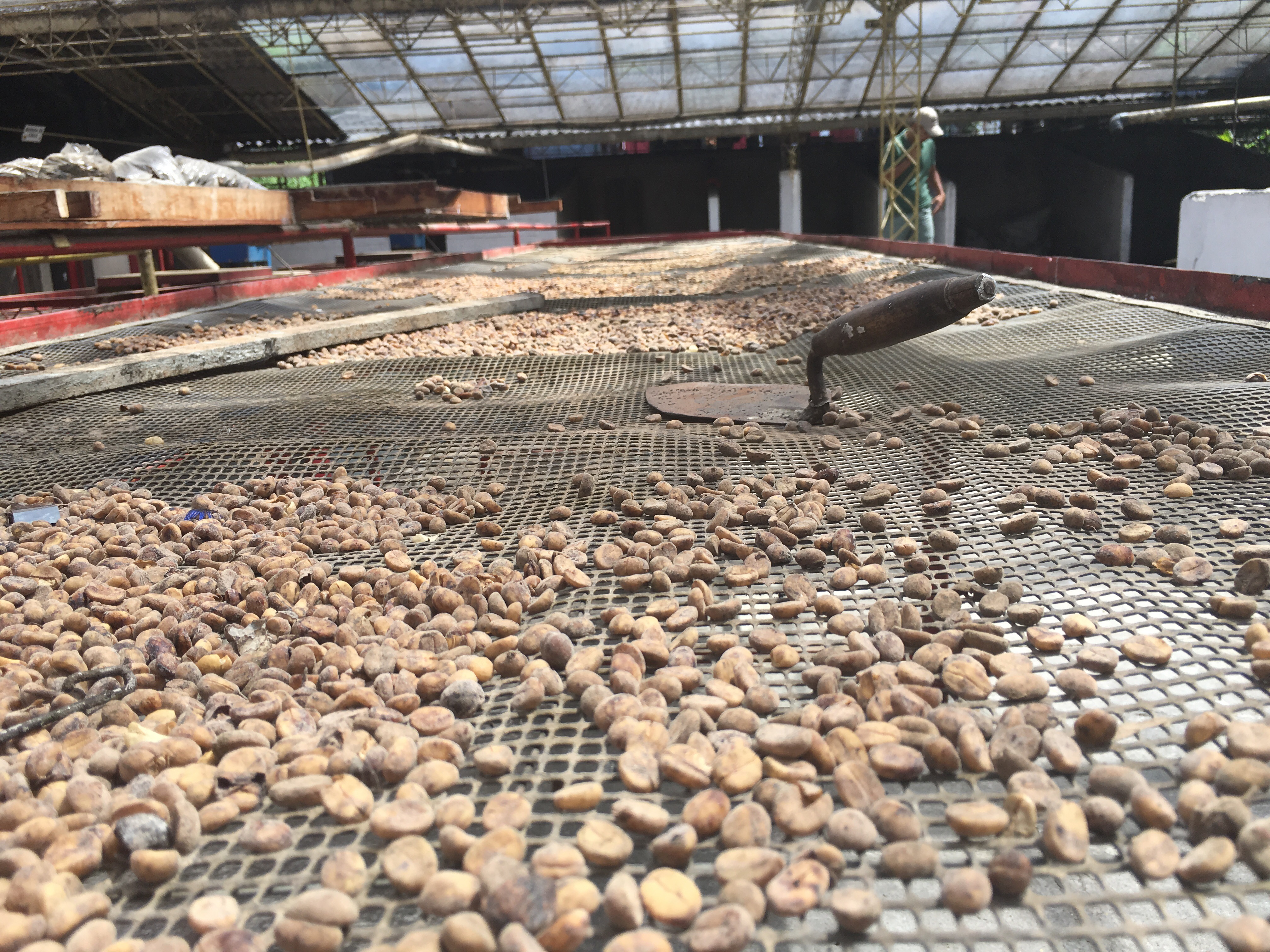
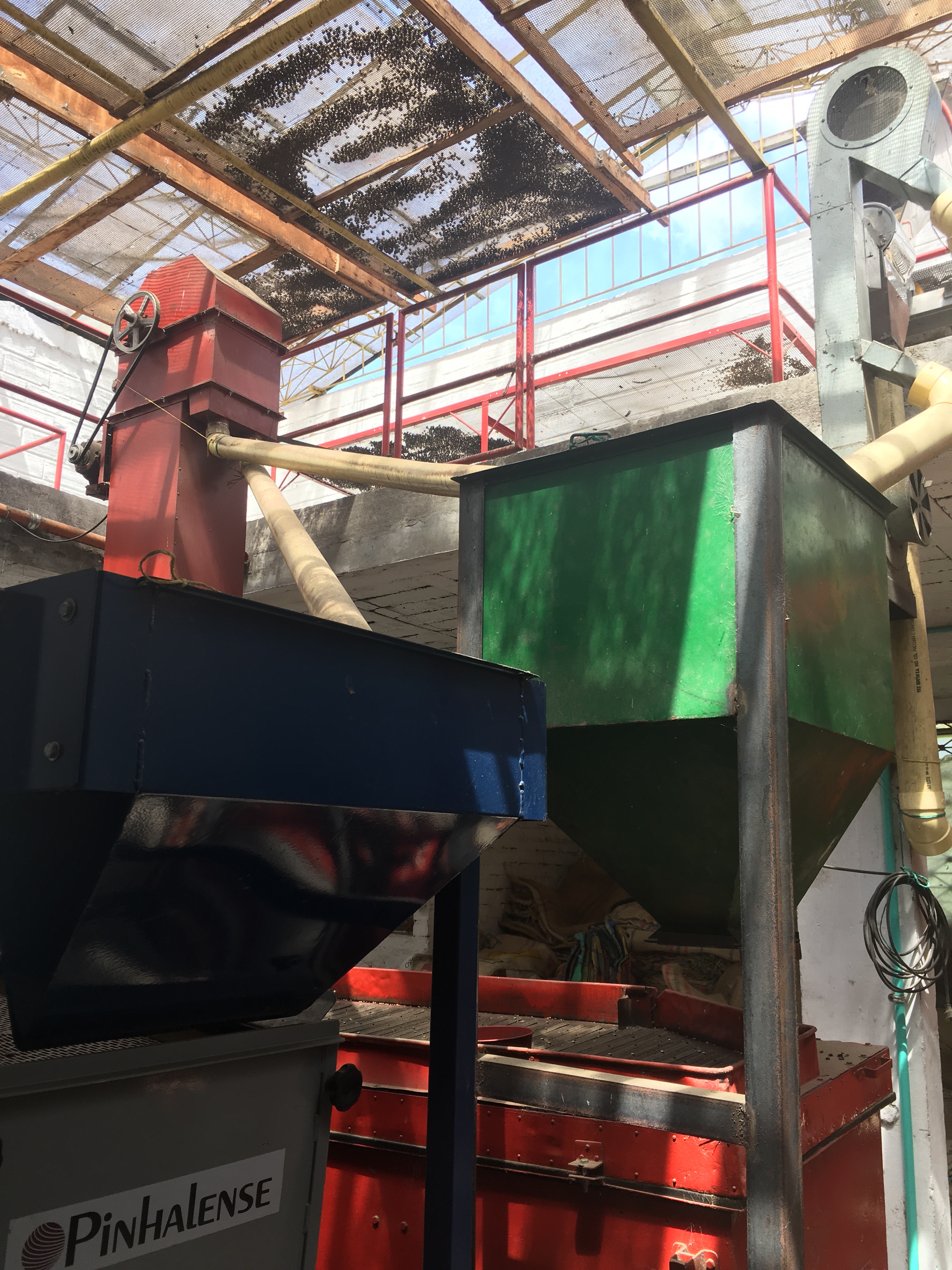
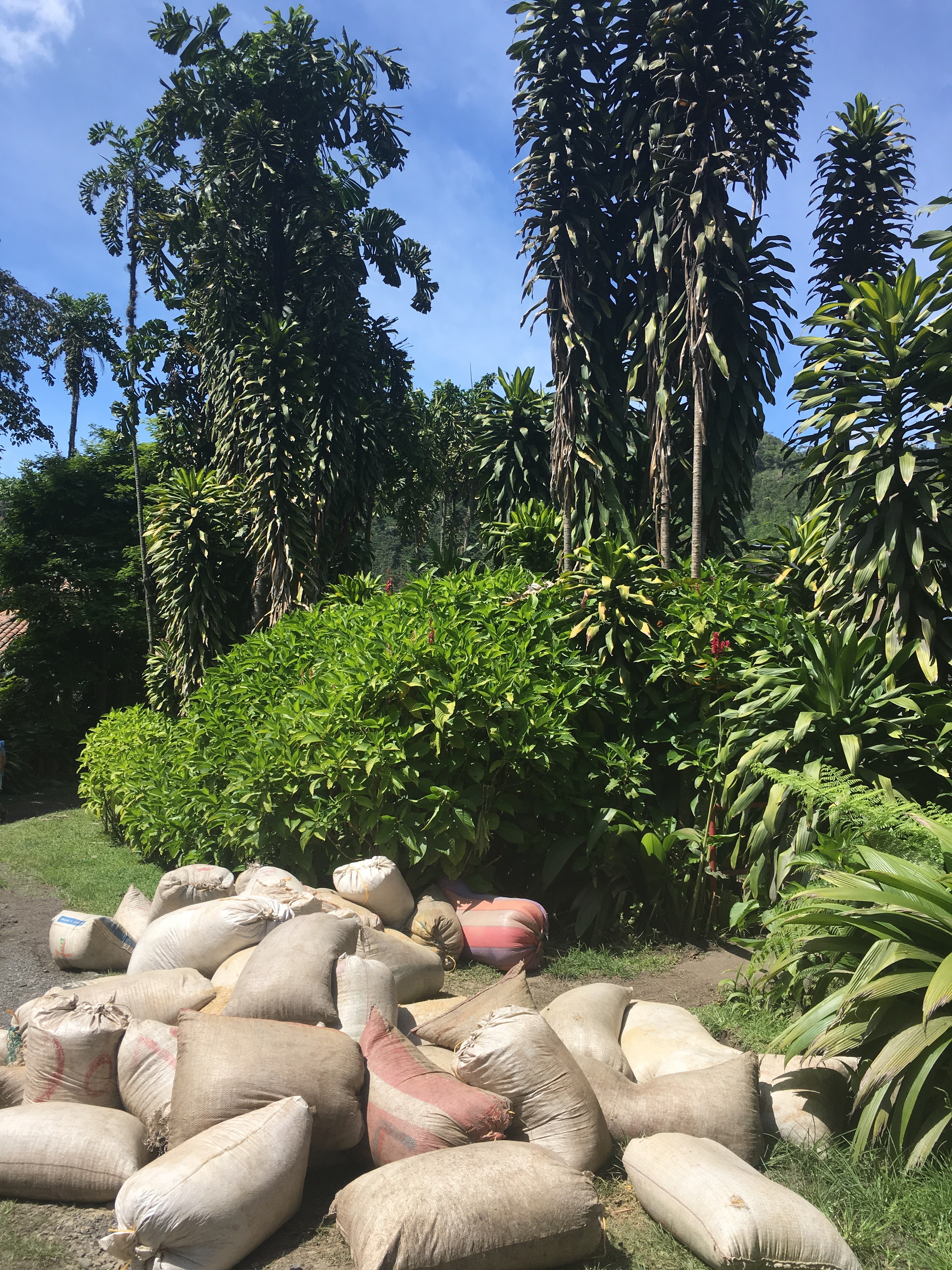
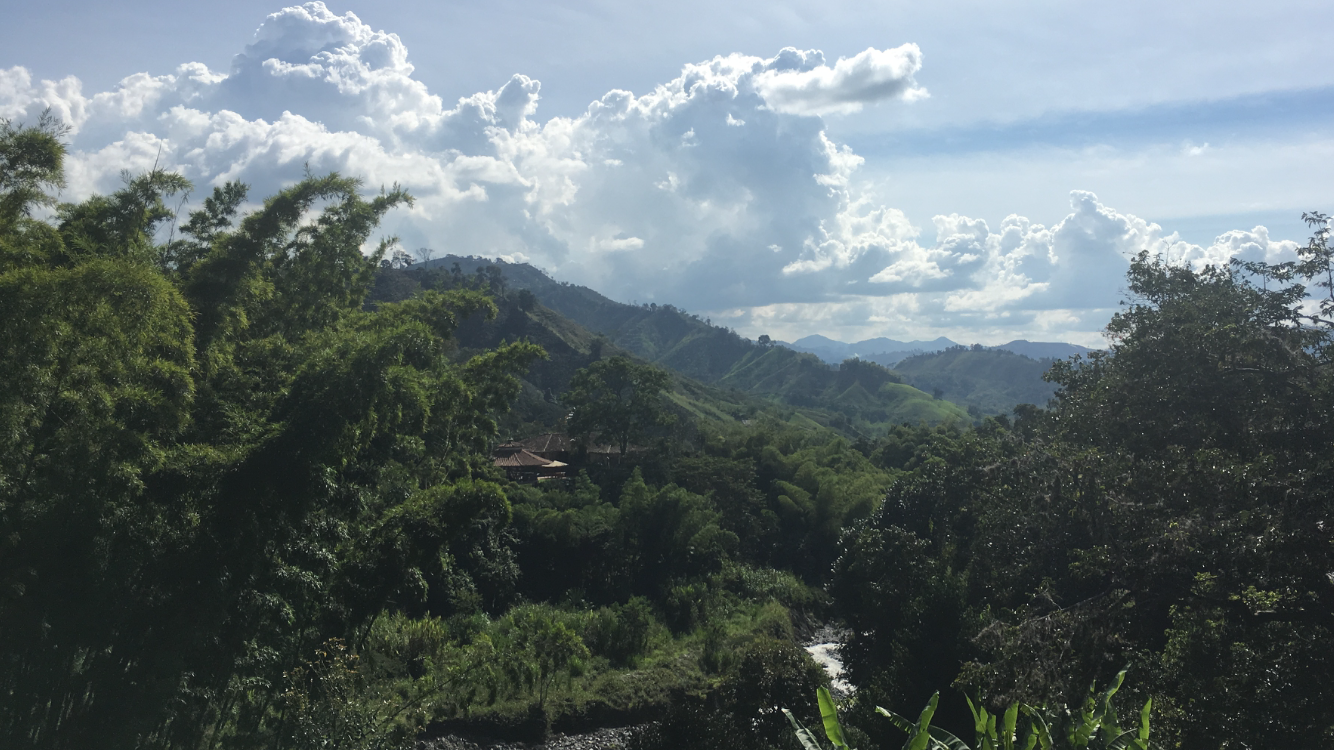
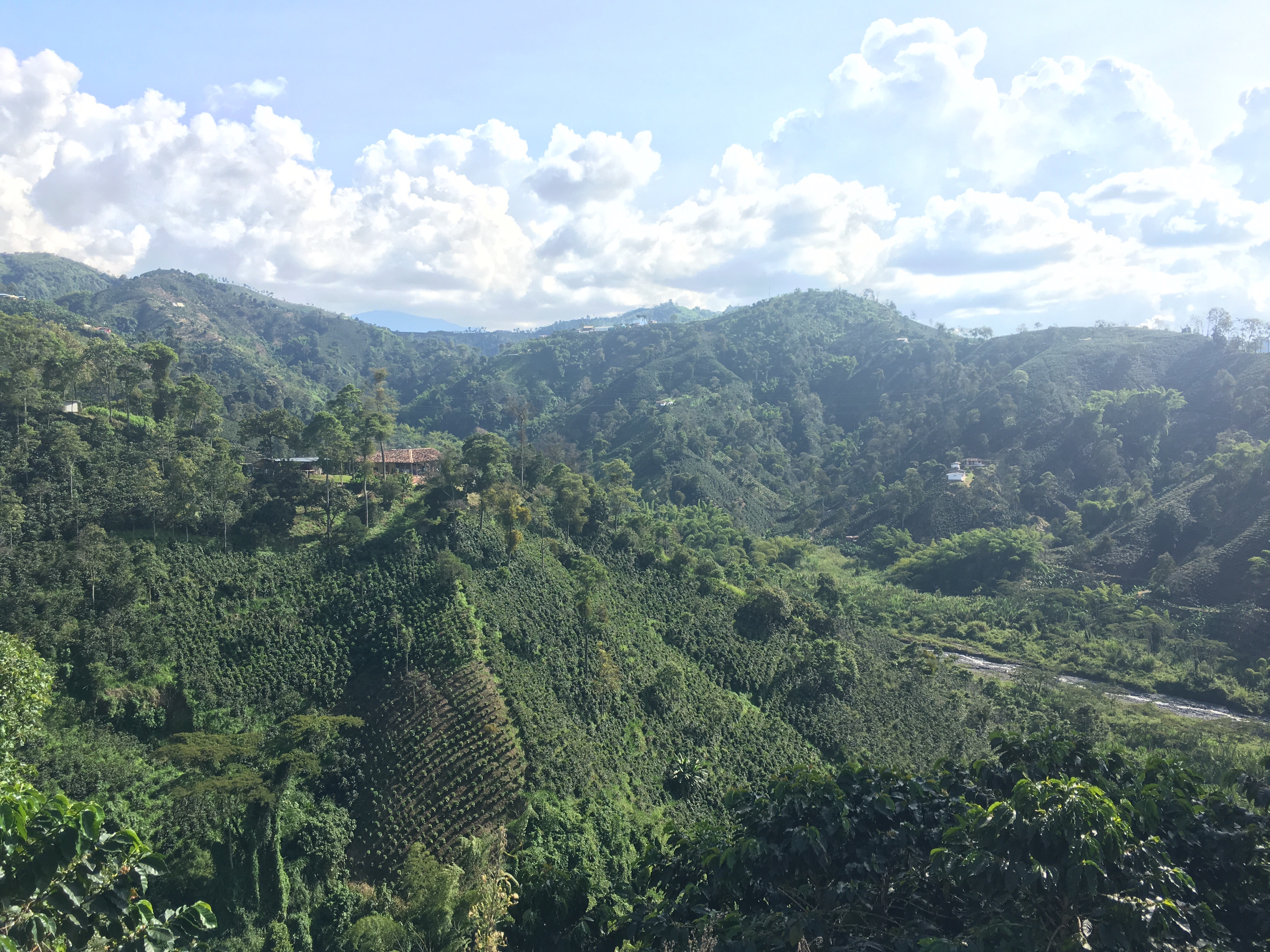
Back to the coffee… the ranch driver scooped me & we were on our way down a rutted rough one-laned road into a valley surrounded by lush hills. The coffee farm was lovely. Three different accommodations including expensive main house, middle-of-the-road guesthouse & economical dorm bed hostal. I chose the middle-of-the-road featuring private rooms & baths & super cool travelers along w a pool & great indoor/outdoor communal area. House breakfasts, lunches & dinners features delicious local food & all the coffee you can drink. The coffee tour the next morning was really interesting & informational but I may have tuned out for a second as it dawned on me I’d done similar (but not as in-depth) tours in numerous wineries throughout my years but had never thought before to learn about the coffee process. I drink quite a lot of coffee. Perhaps I drink more wine?
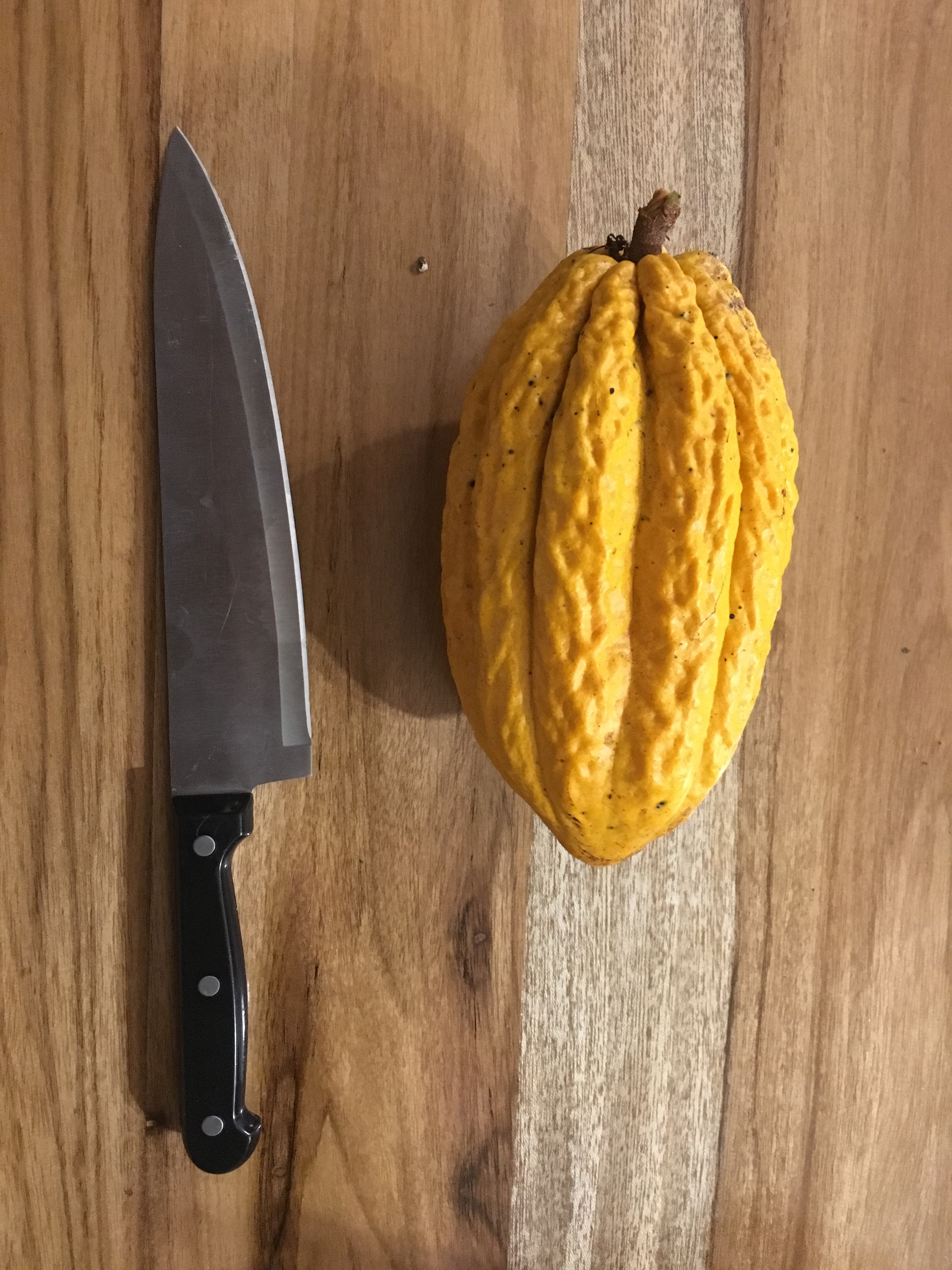
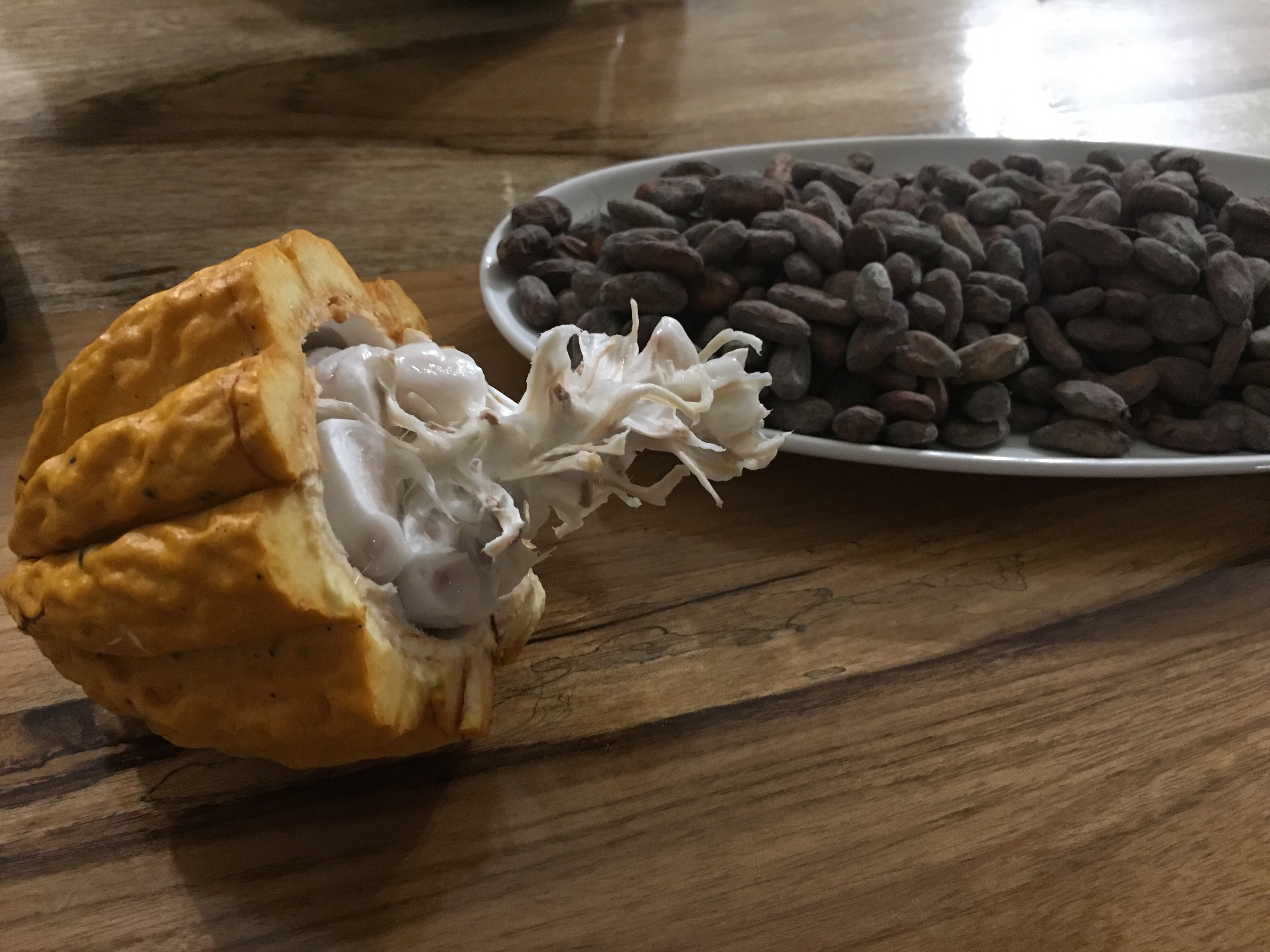
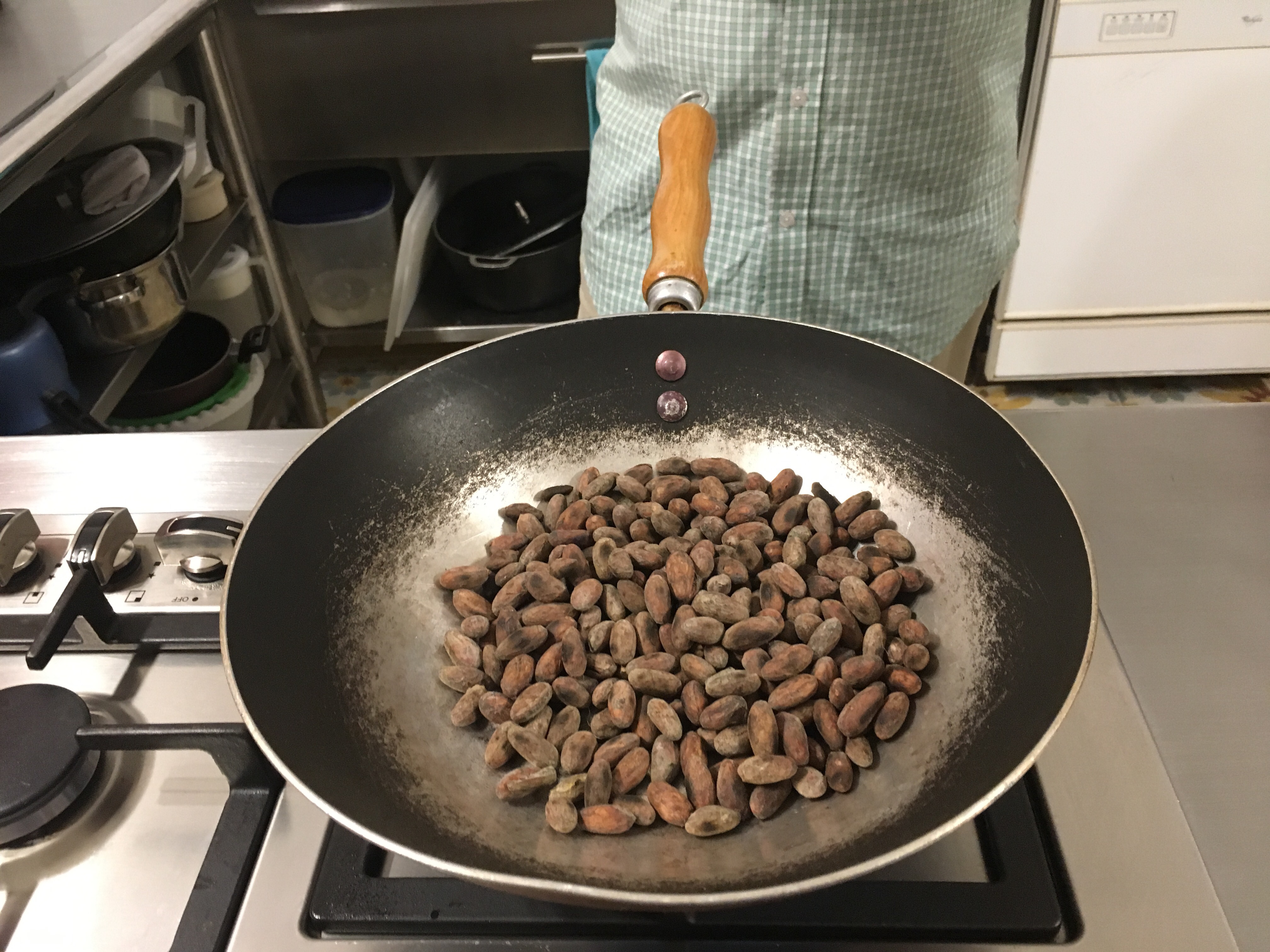
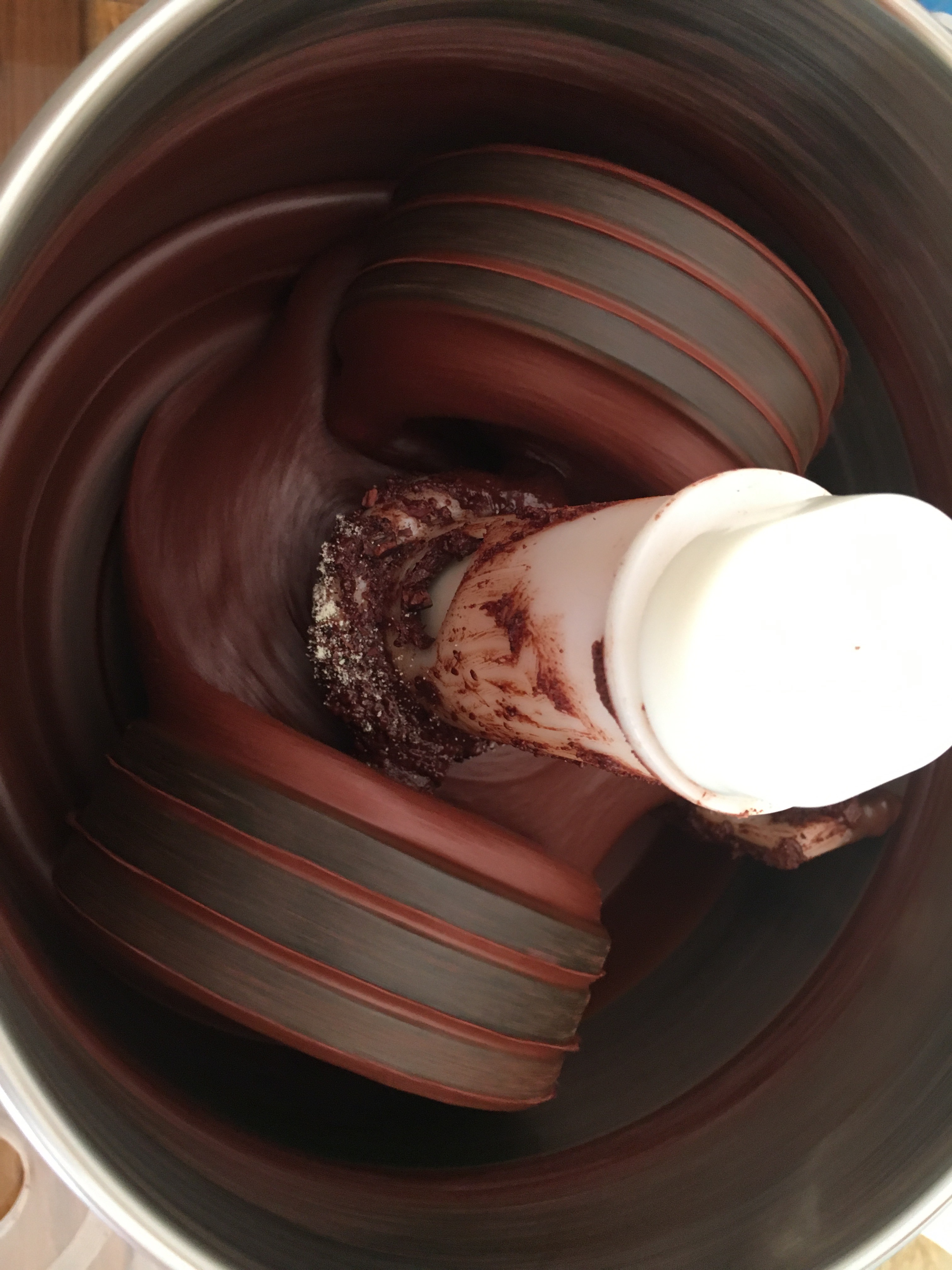
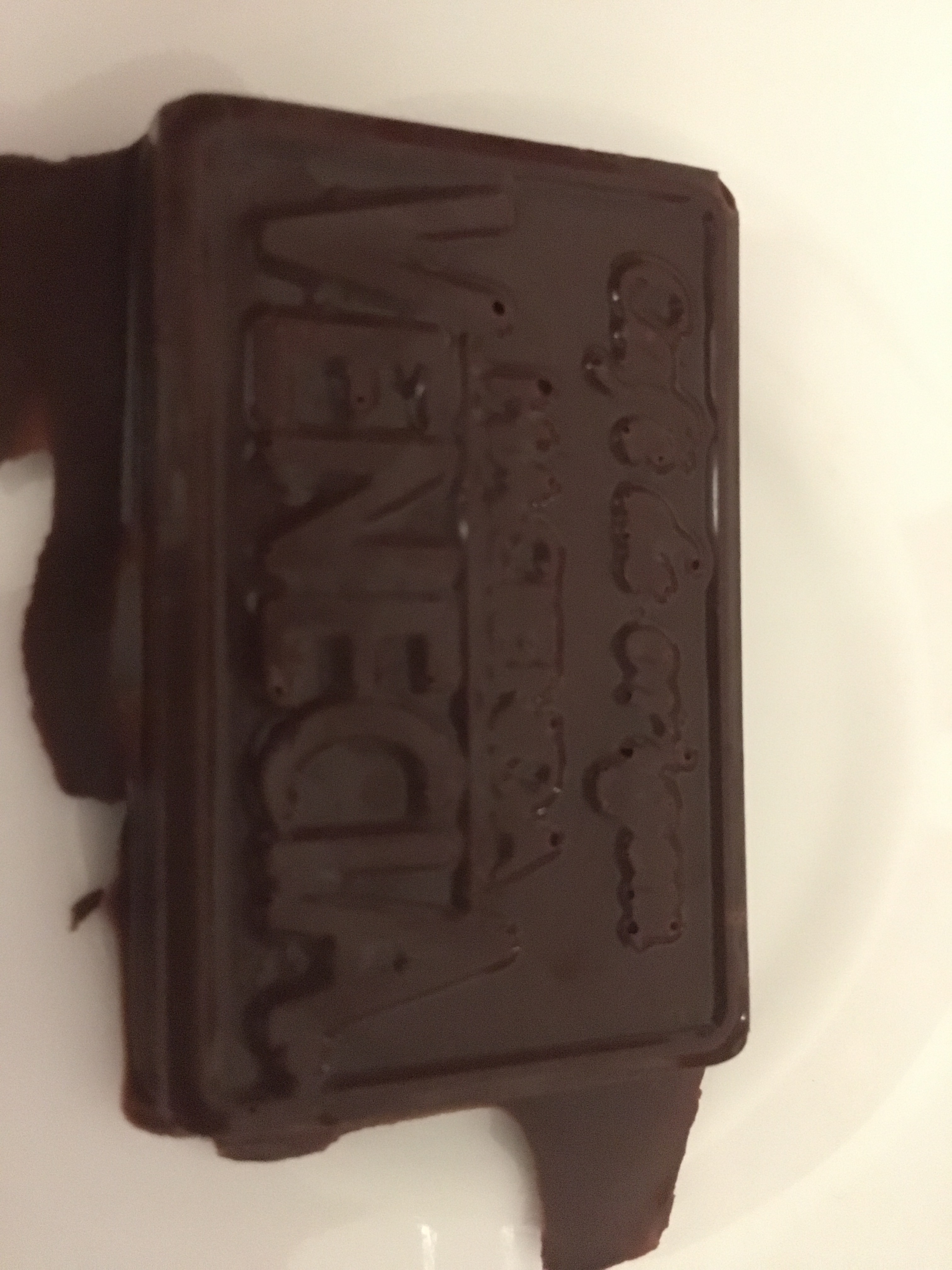
The balance of my 3-day stay was spent lazing about in hammocks, eating, drinking coffee & to stay somewhat active, going on hikes into the hills for pretty spectacular views of the valley. As a special treat, the owner kindly showed off the cacao he’s now growing on the farm. We picked a fresh cacao & sucked the pulp off the beans which to my surprise, tastes quite fruity. To make chocolate, the beans are dried for days (so flash forward like those magic cooking shows), then roasted til they popped, peeled to separate the bean from its outer coating, smashed & then ground for 24 hours. We tasted the cacao frequently as the grinding would constantly change the consistency & taste of the chocolate. By the next afternoon, it was a real bitter flowing dark chocolate. We first added sugar to make a proper bitter dark chocolate, sampled quite a bit, & then added milk powder to make a milk chocolate. We finally poured the chocolate into molds, cooled in the refridgerator & enjoyed our freshly made milk chocolate bars that evening for dessert. Pretty damn great if you ask me. Although I’m clearly not used to “manual” labor as the 2hrs spent peeling the cacao beans left me w borderline blisters. I’ve got a lot to do before I take up farming. The bonding coffee experience brought us together as did shots of the local Colombian anise flavored liqueur, Aguardiente, & local Caldas rum. All in, a phenomenal trip to the coffee region. 


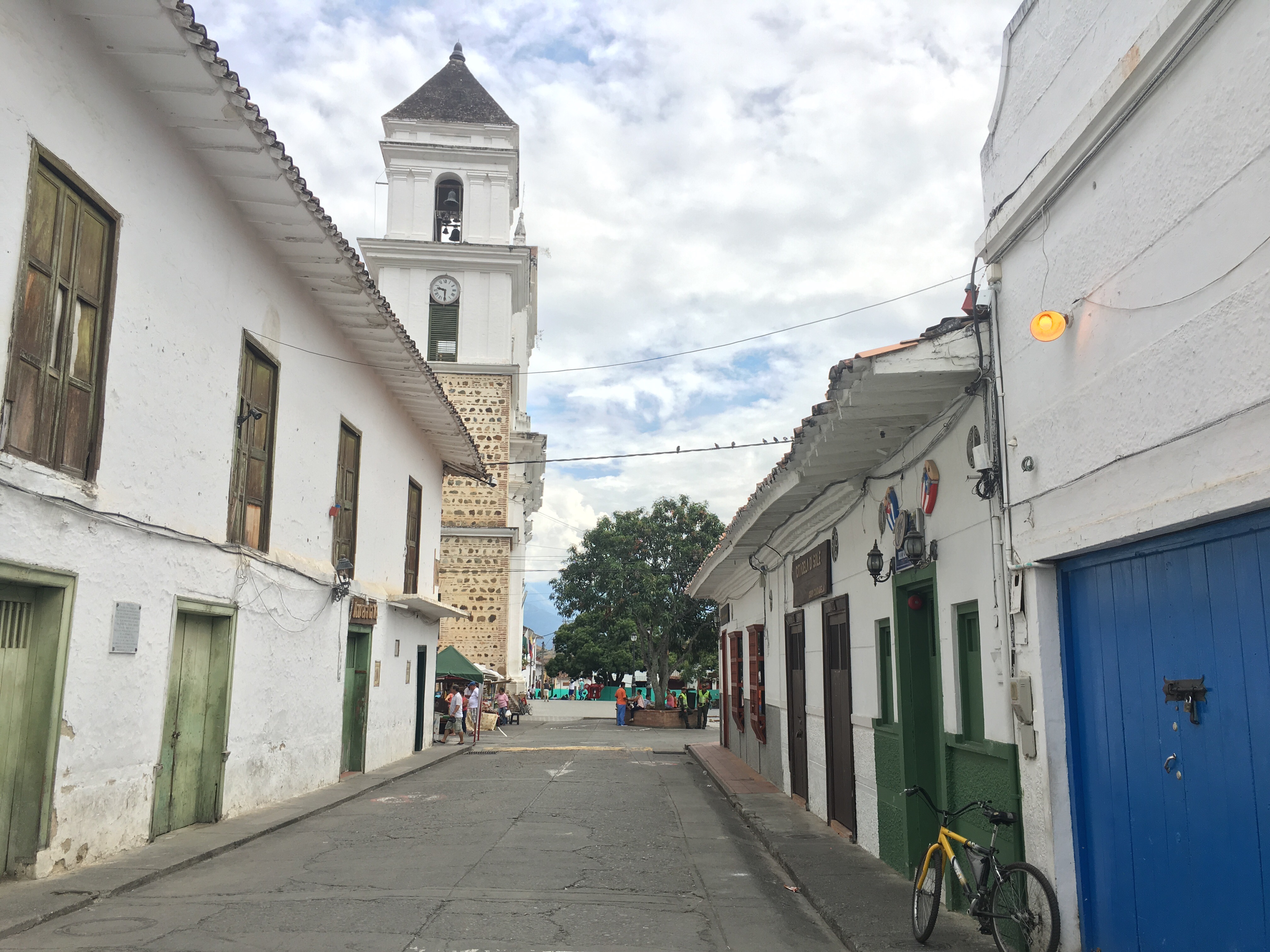
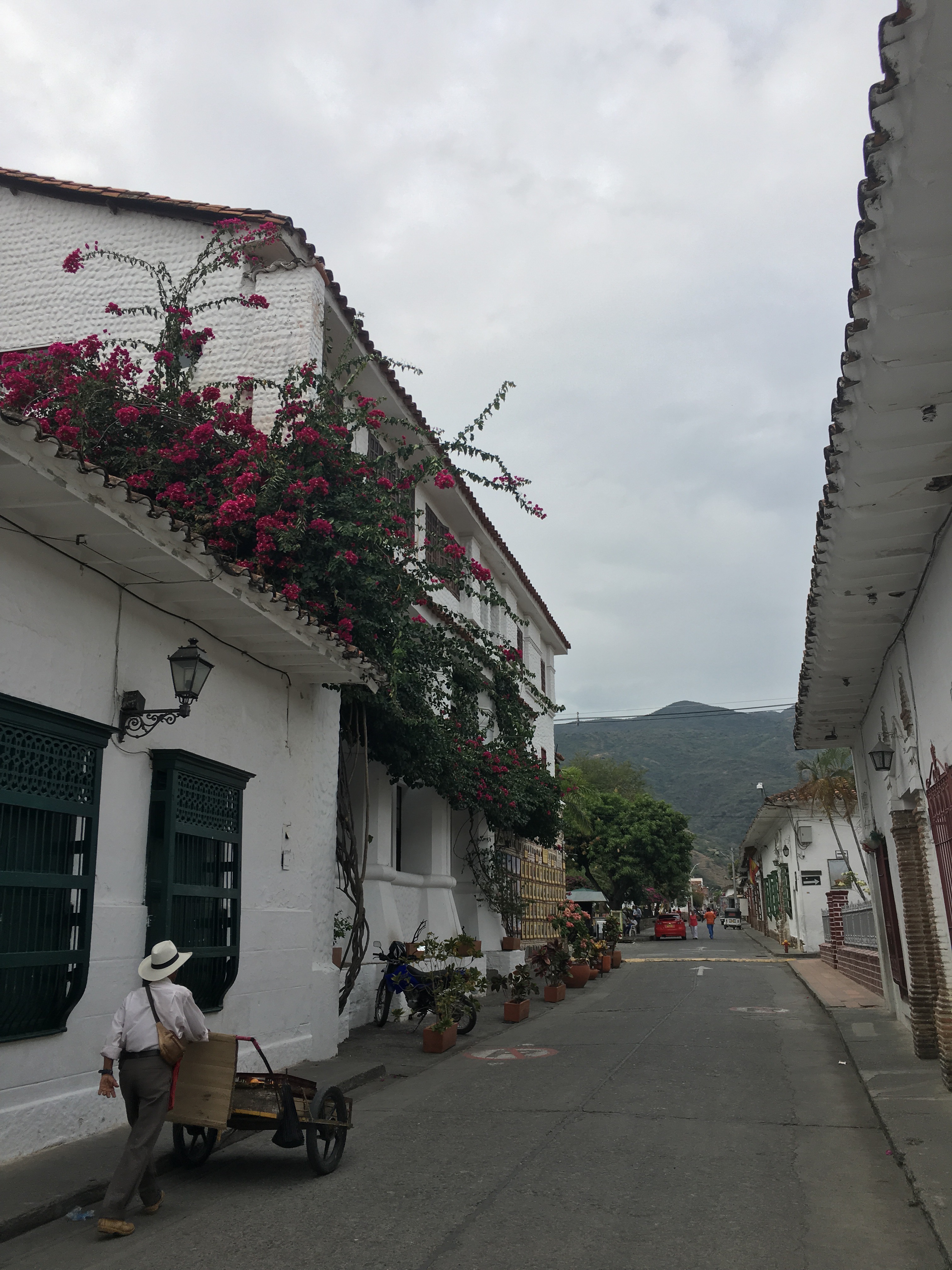
Colonial Santa Fe de Antioquia for some culture

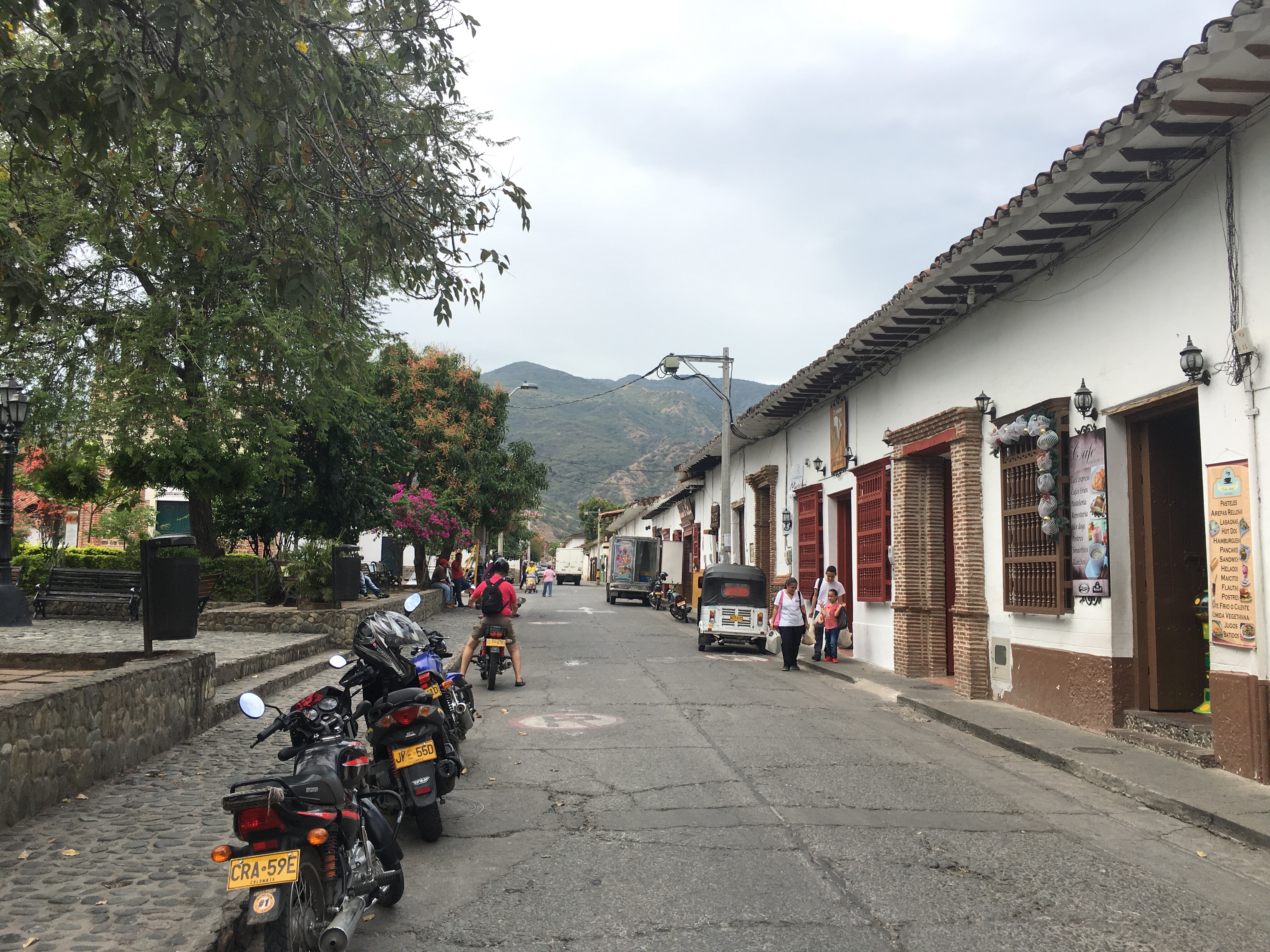
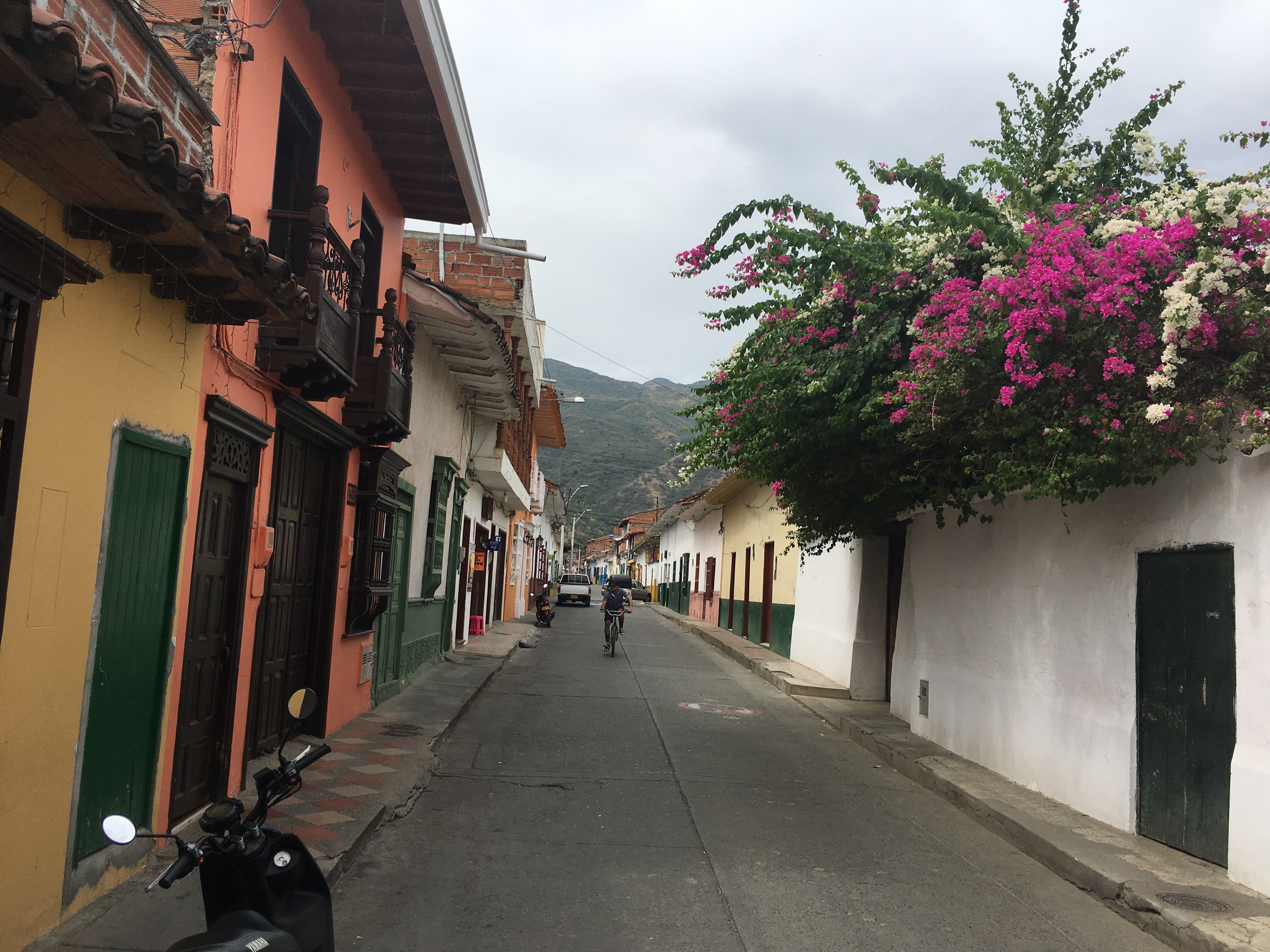
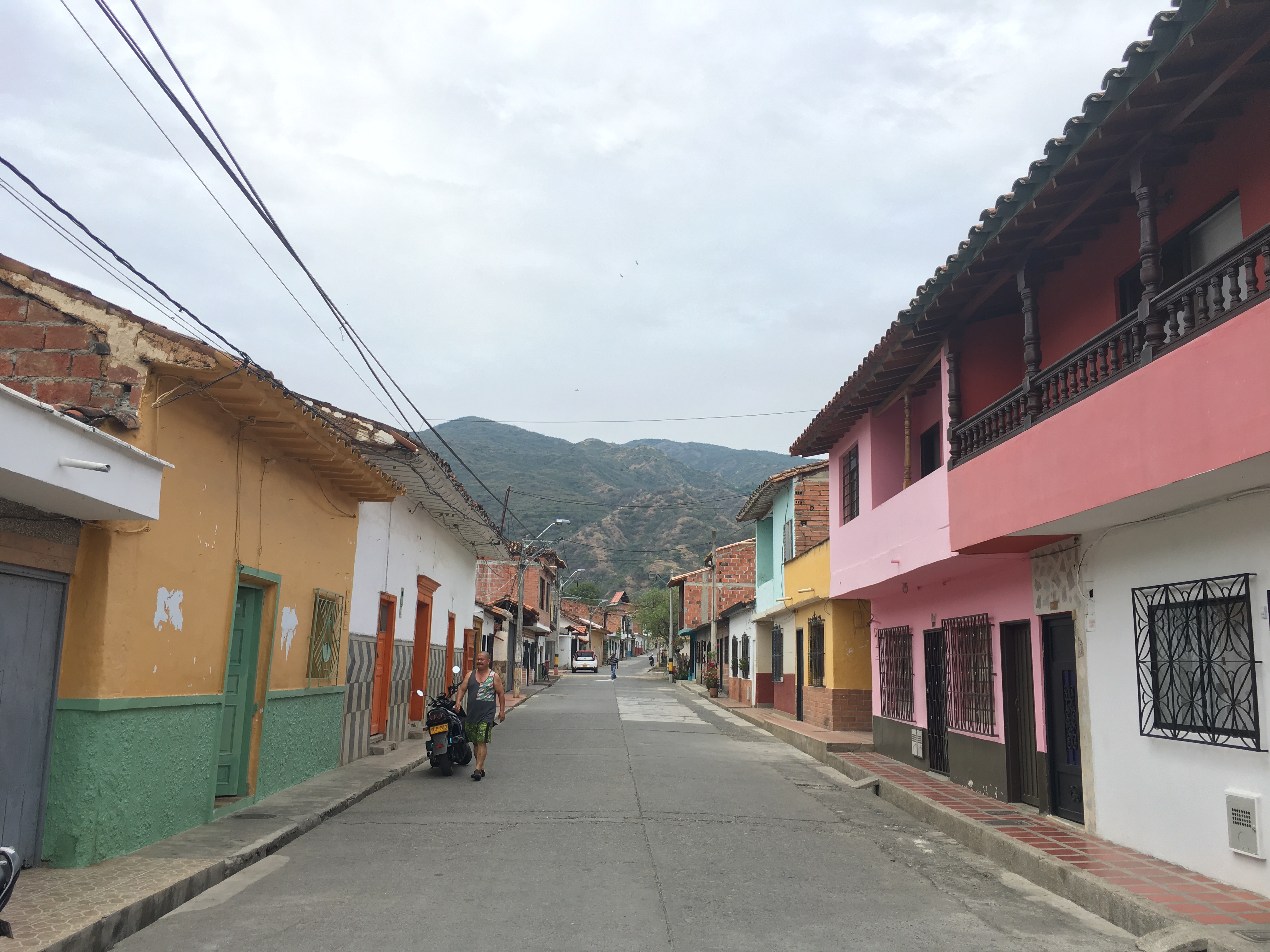
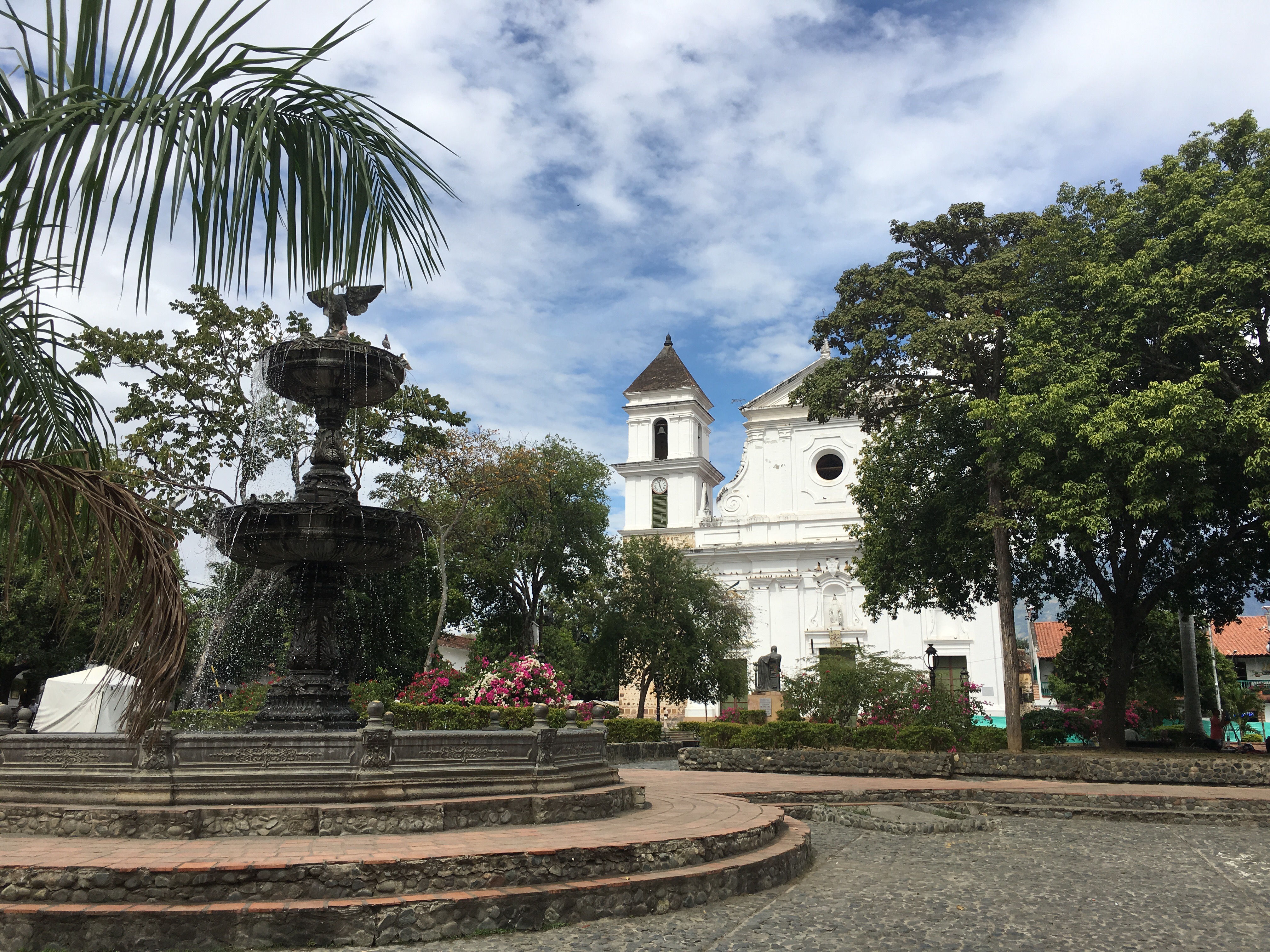
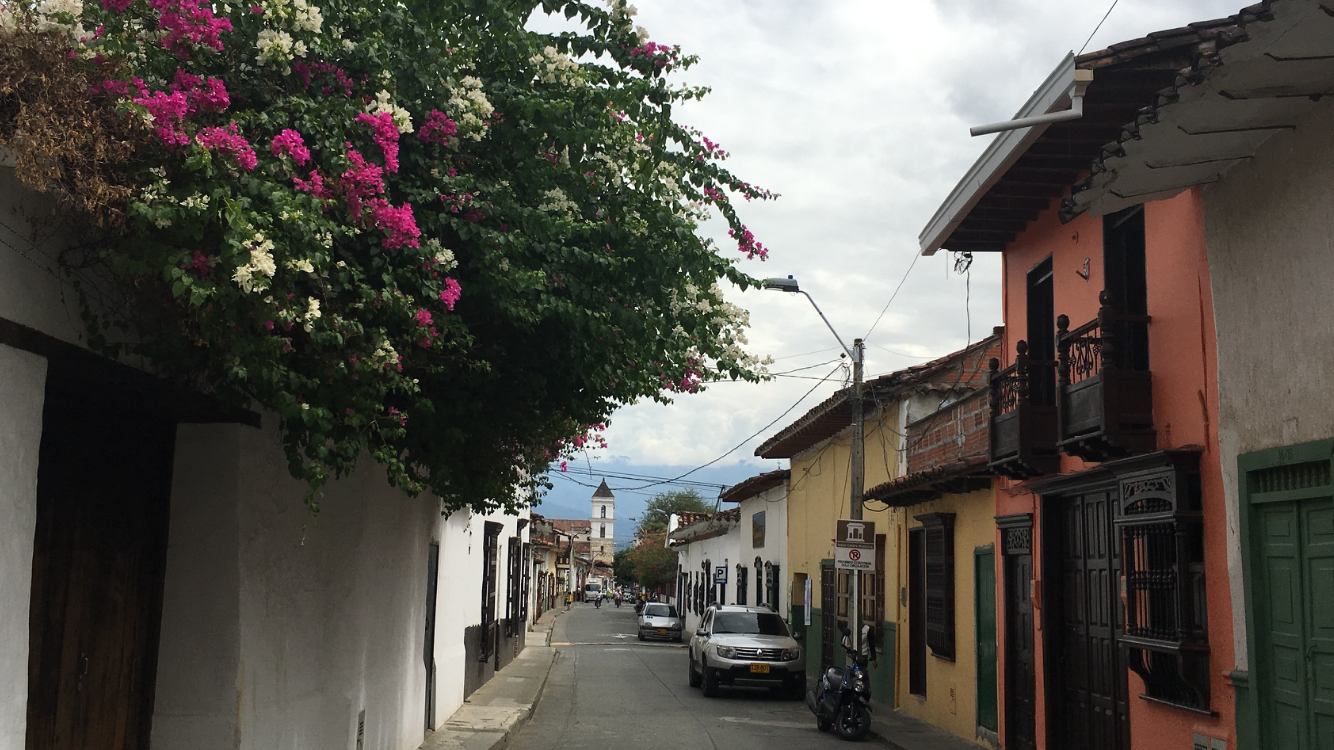
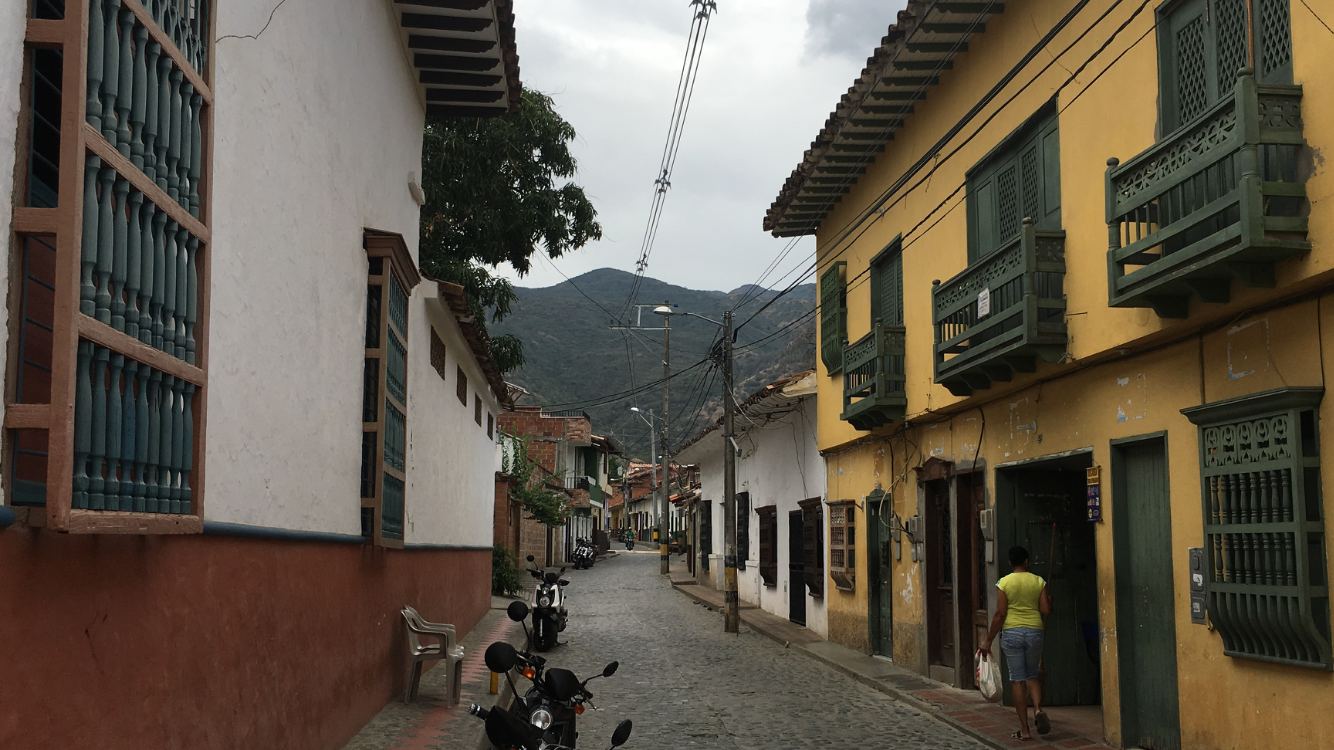
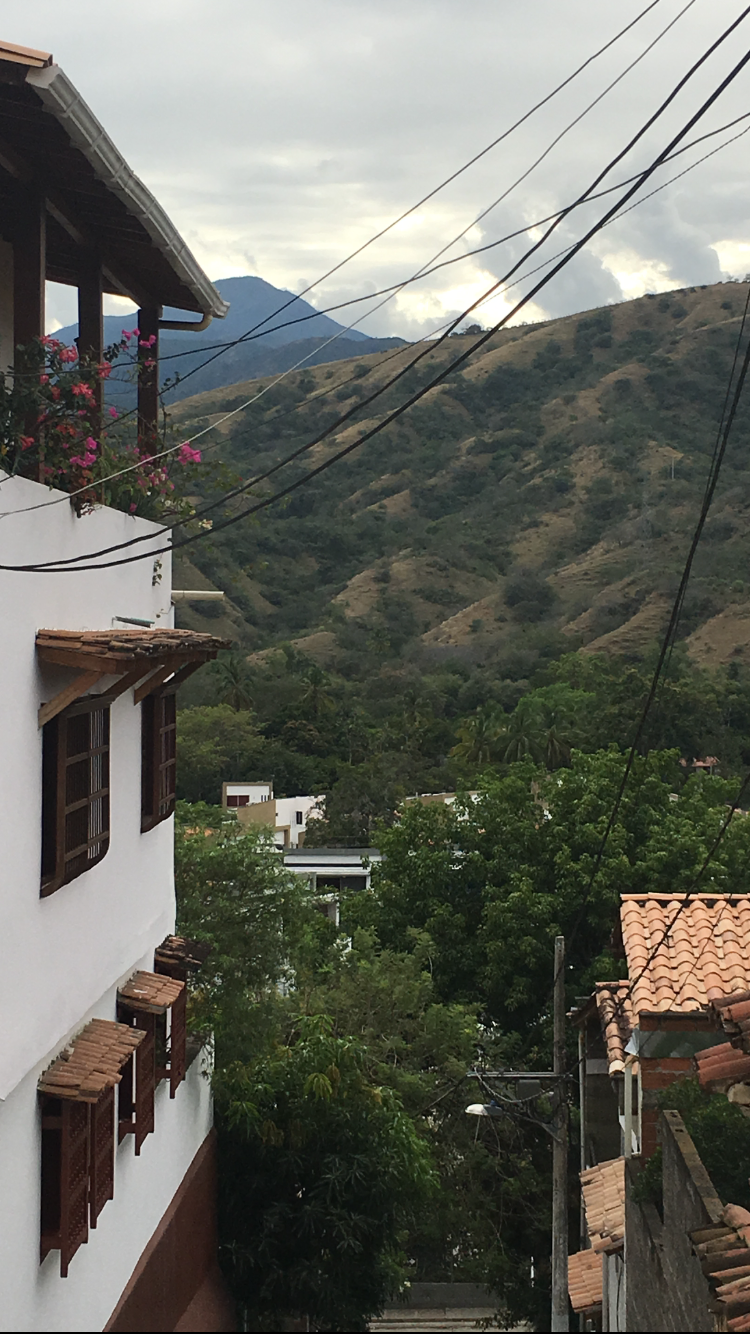
While I was enjoying Medellin, it struck me the end of day 2 that it was a truly modern city & unlike a lot of places I visit on my travels, it was a bit devoid of culture & history as most old buildings had been razed. To get a little culture, I decided to take a day trip to Santa Fe de Antioquia & try out Colombia’s bus system. An advertised 2hr bus trip was really 1.5hrs through gorgeous mountains to Santa Fe, which is the oldest city in the region & has maintained its colonial history. I visited on a weekday when prices are significantly cheaper as I read it was a key weekend getaway destination for Medellin locals. It was pretty empty which is just how I like it. Nestled in a valley, it was stunning & perfect for wandering the streets snapping photos, interacting w the locals & enjoying long lunches & great views. 


Modern Medellin… my intro to South America

Due to a plane’s flat tire, my flight left 3.5 hours late from Miami to Medellin. The upside is I was able to watch most of the Packers playoff win vs Dallas. The downside is I didn’t land in Medellin until 1:30am & the airport was dead but for pre-arranged taxis which seemed like a really good idea in hindsight. Travel books say avoid private taxis for security reasons & only use official yellow Medellin taxis. Well that wasn’t an option so I found a man, who seemed like a very nice man, who operated a private taxi, and I talked to him in my elementary Espanol for 10 minutes about generalities & where I was going to ensure he was familiar with the area & he didn’t come across as an overt murderer, rapist or thief. He was nice & charming & it thankfully all worked out just fine as I happily arrived safely at my digs only a 3 block walk from the center of El Poblado, the supposed hip & trendy but oftentimes noisy hood in which I was staying, at 2:30am. So first trip snafu conquered with ease.
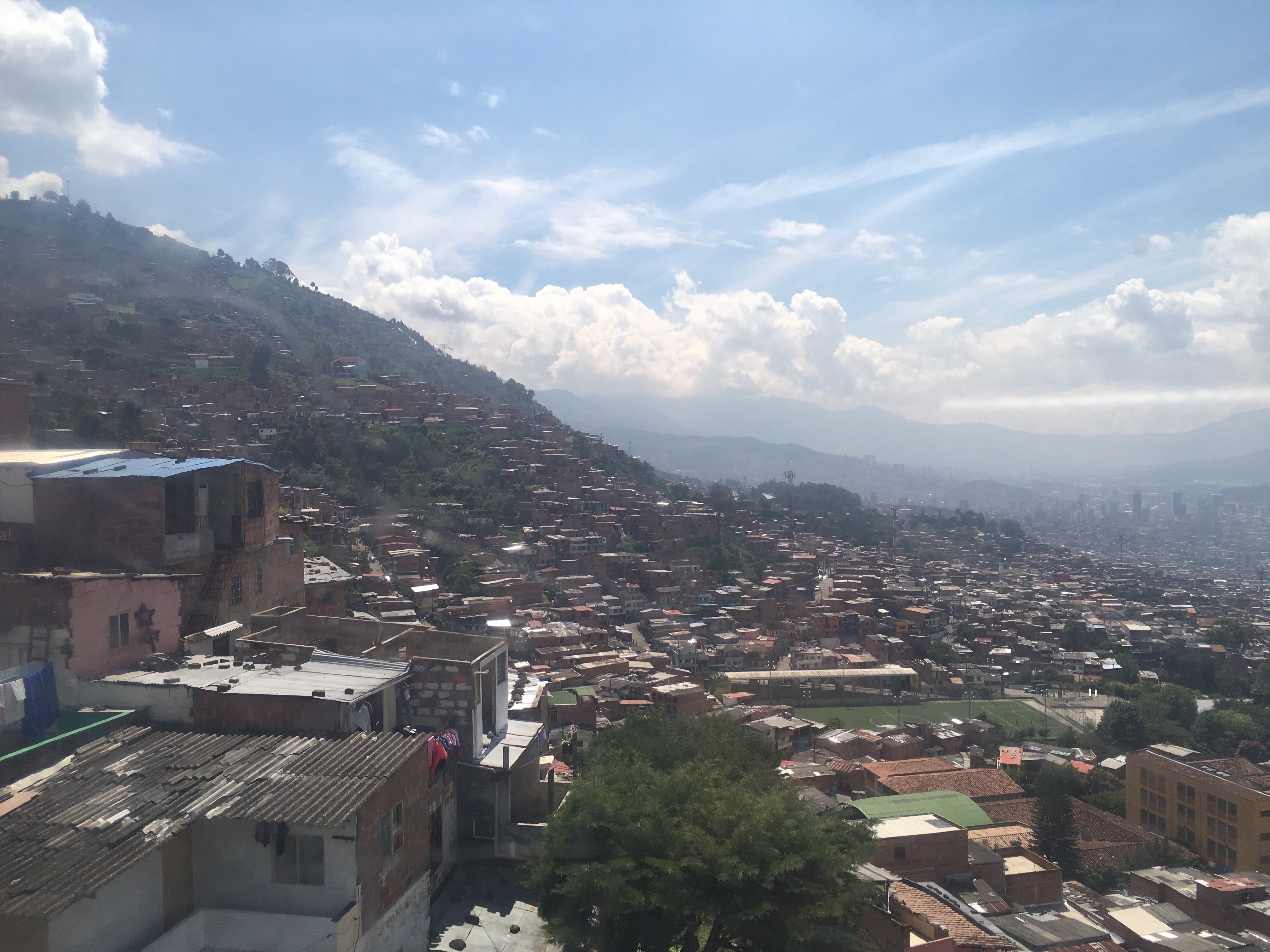
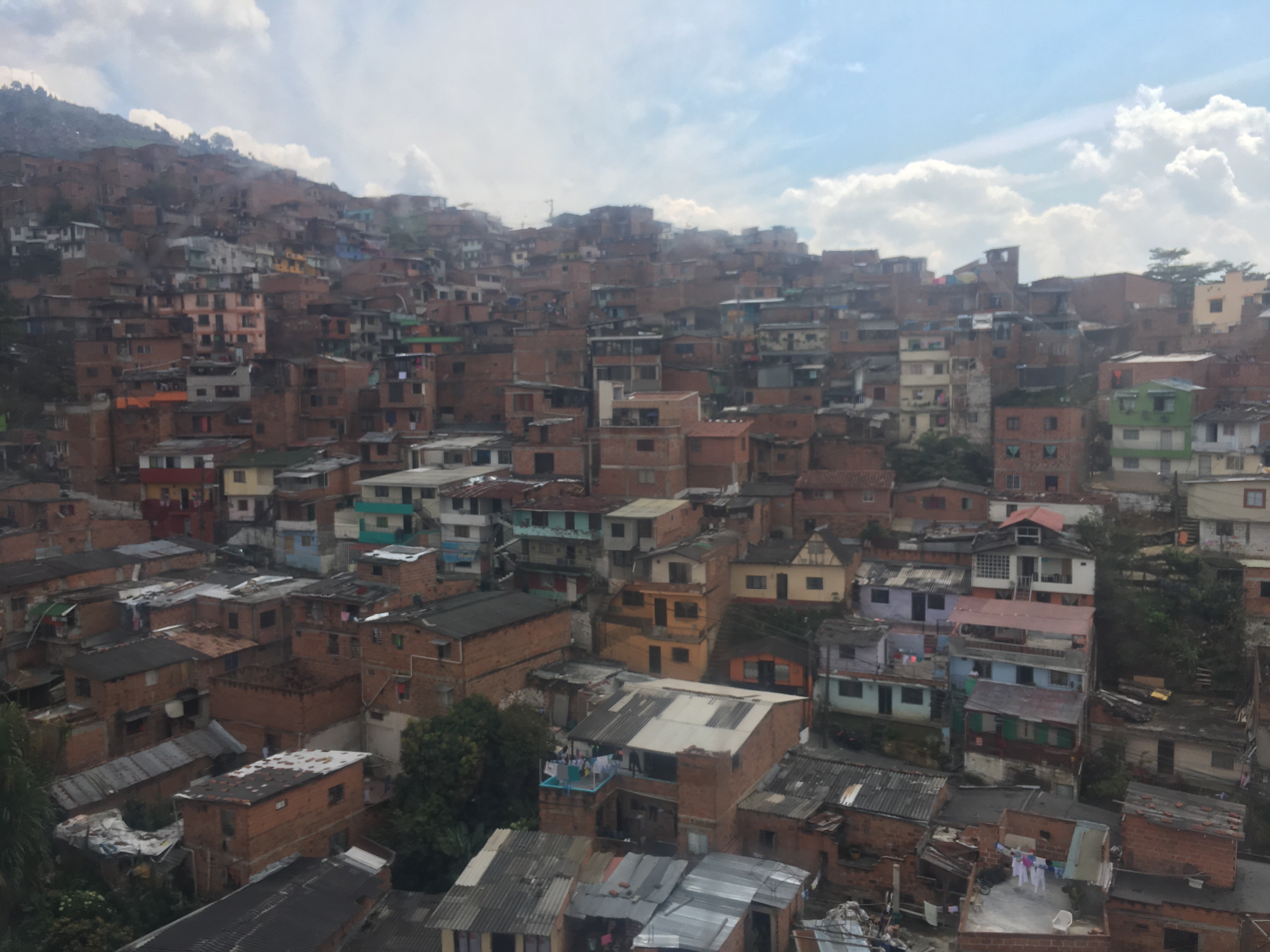
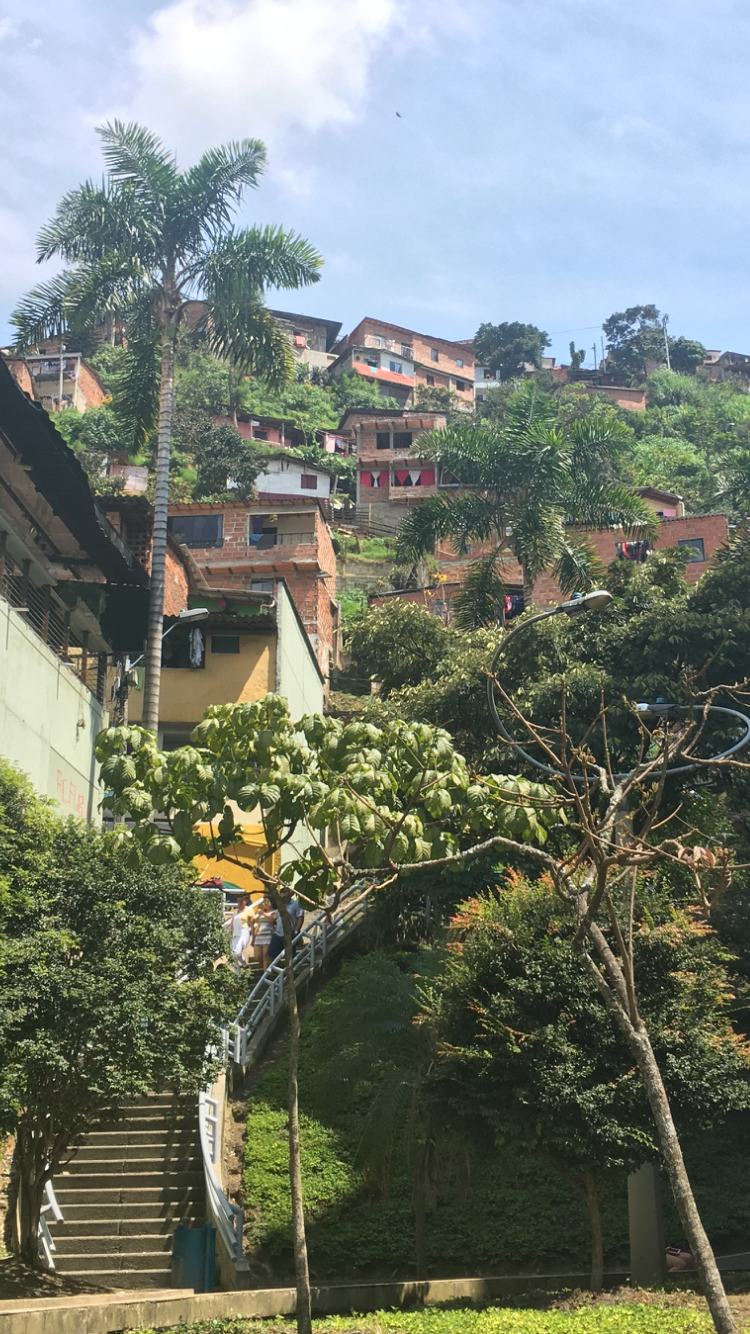
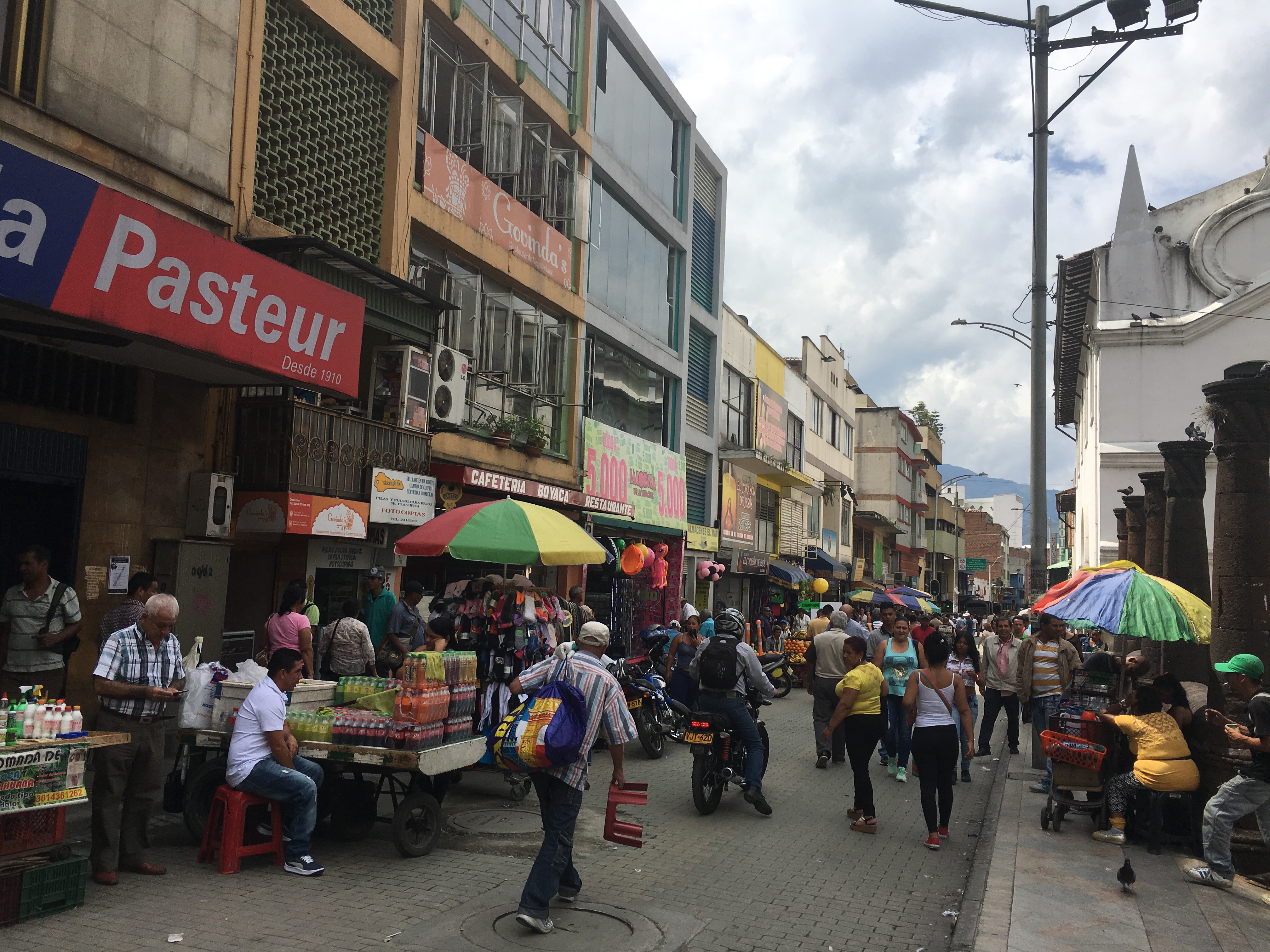
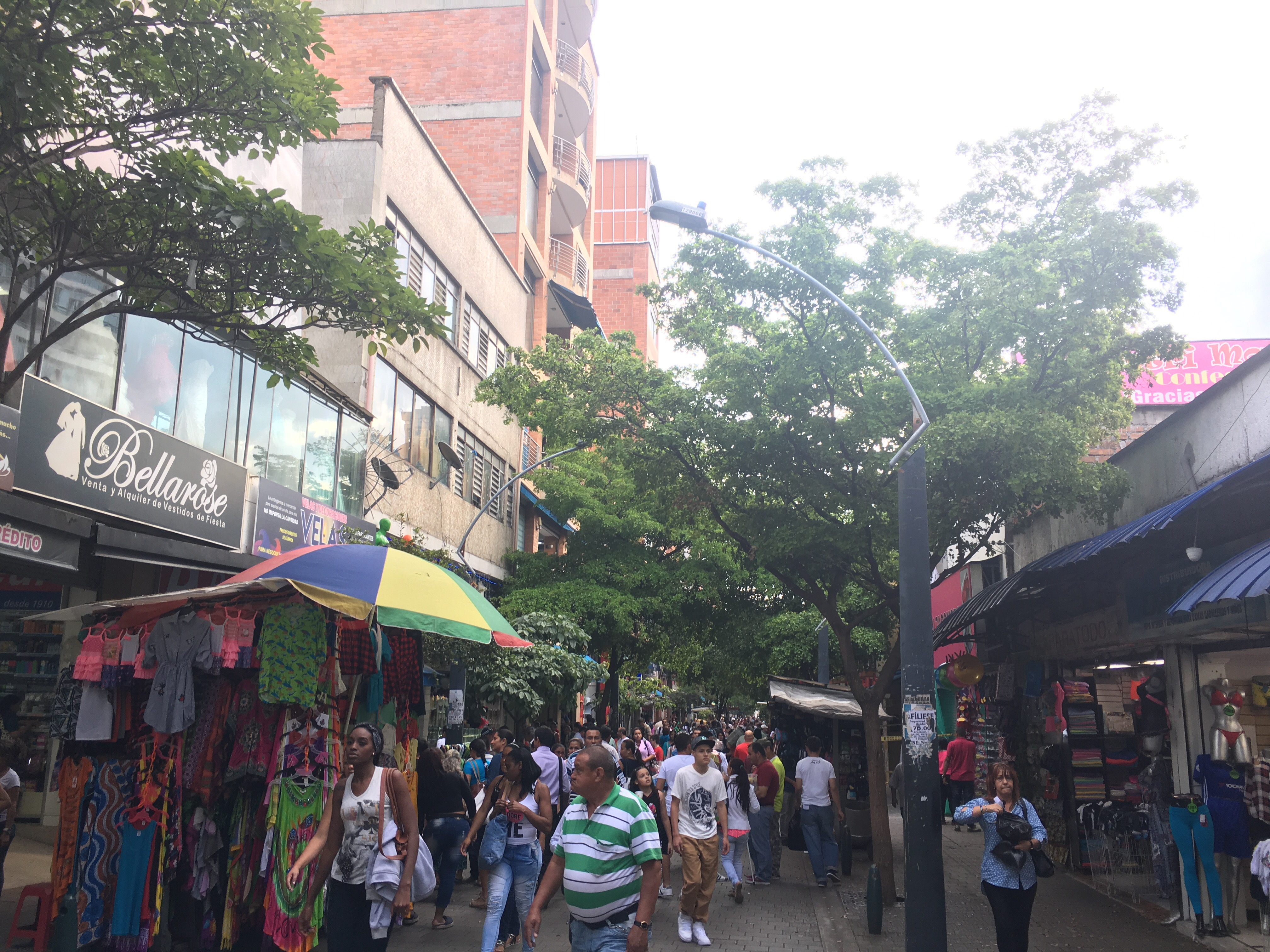
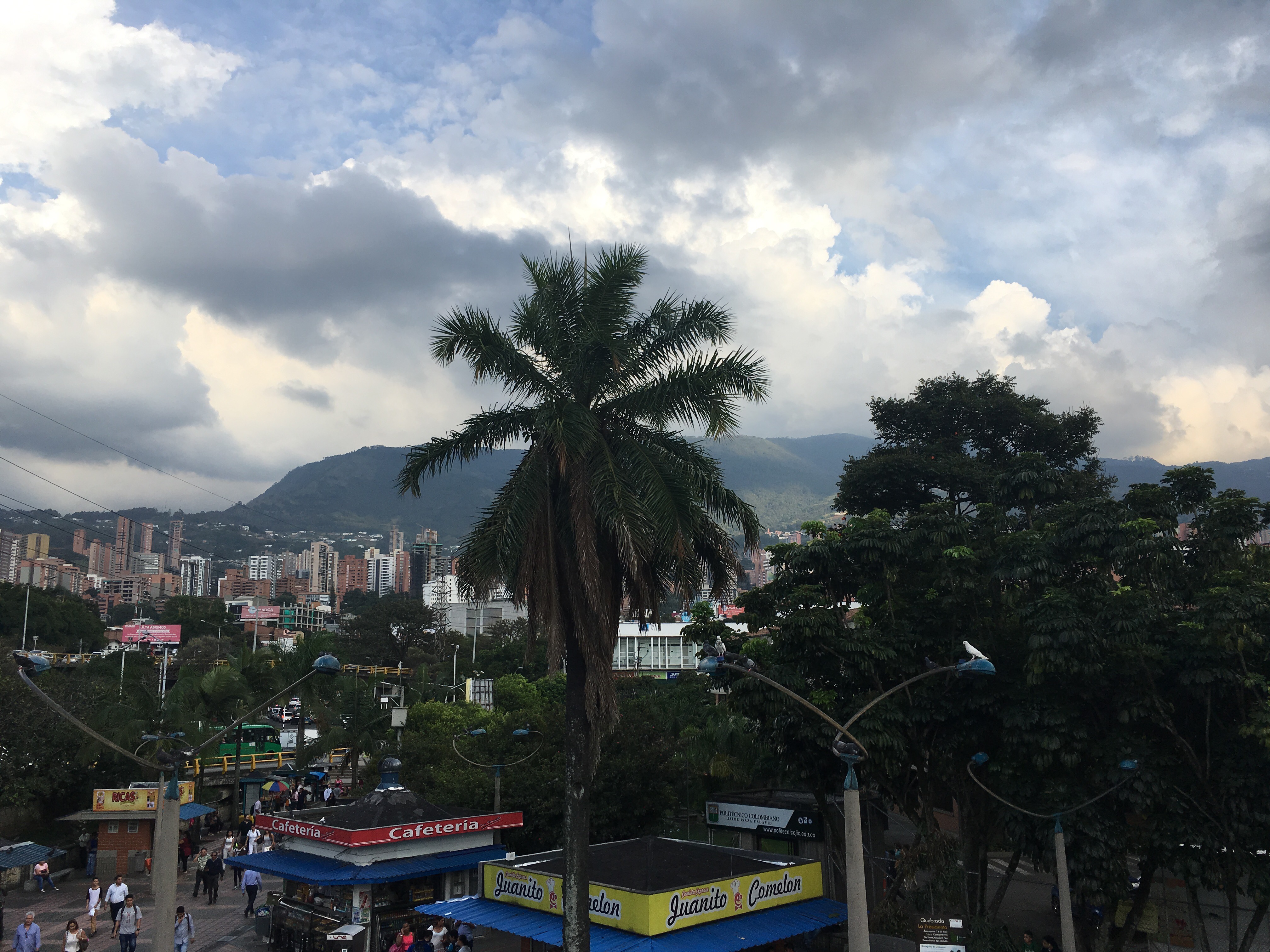
I happily explored much of Medellin for the next 3 days & despite its somewhat recent sordid history in cocaine trafficing courtesy of the late Pablo Escobar, it’s really come quite a long way in a relatively short time. The neighborhoods are interesting & welcoming. The metro system is the only one of its kind in Colombia, includes metro cables (cable cars) to its relatively impoverished barrios up in the hills & is far nicer than Chicago’s el. From what I can tell, it’s a happening modern city that’s very safe, accommodating & livable. The best part was the people. My recent trip to Cuba revealed the machisimo that’s a part of everyday Latin lives. I had heard & was expecting it to only ratchet up a notch in South America. To my very pleasant surprise, I’ve come across none of that so far in Colombia & I’m going to choose to believe it has everything to do with the kind, respectful nature of the Colombian people & nothing at all to do with the fact that I may have overreacted by chopping all of my hair off & dying it from platinum blonde to my more natural brunette.

City views

Houses atop houses
El centro

Botero sculpture in main el centro plaza
View of El Poblado from metro station

El Poblado neighborhood
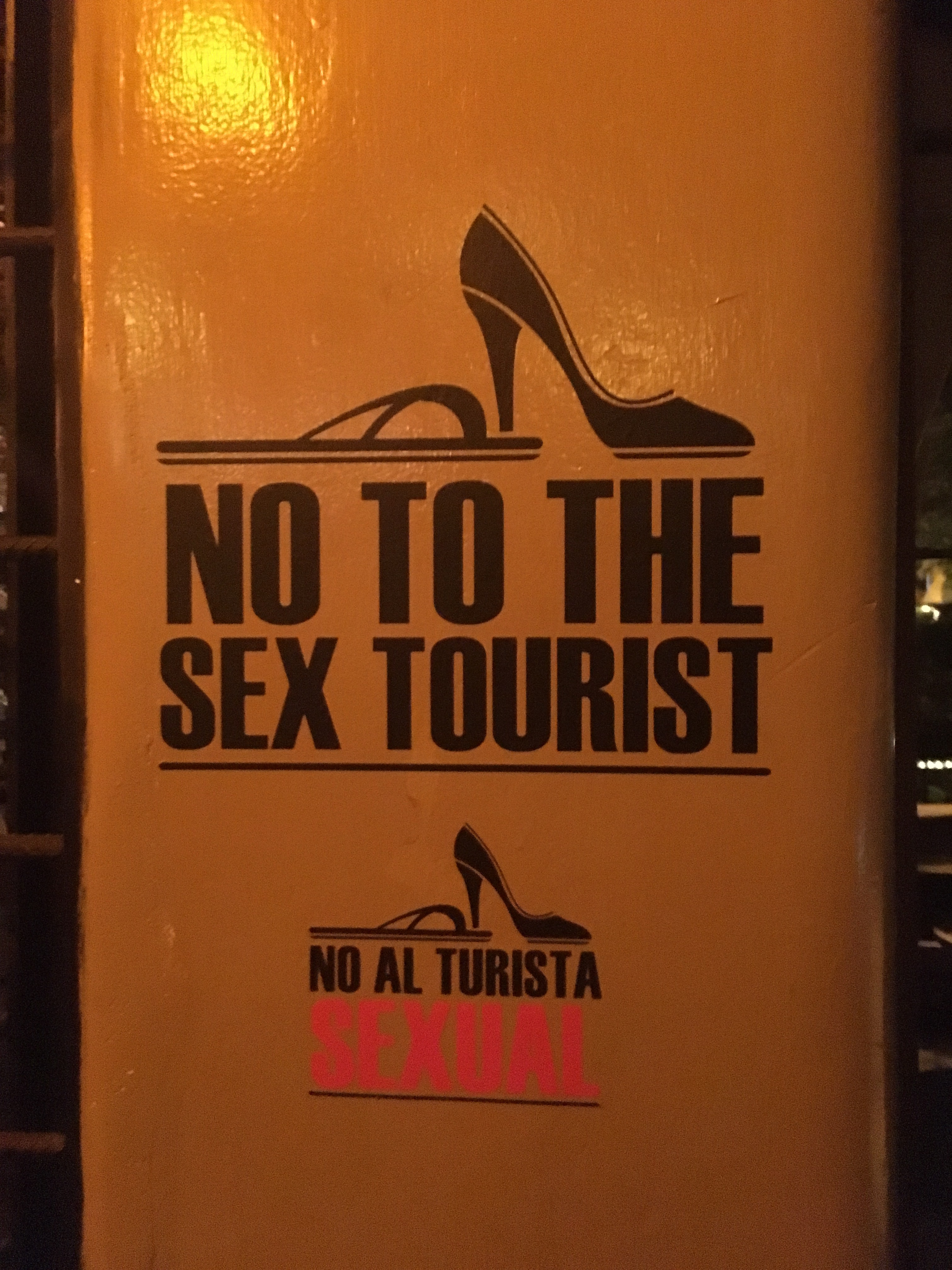
While staying at a $20 per night Airbnb, I realized how much good food was in Medellin & despite my unemployment & rough travel budget, I decided to treat myself in El Poblado bc while I don’t have a paycheck nowadays, I choose to spend my money on things that give me joy (Cubs season tix, the boat, good food). Turns out I picked a trendy spot & the attire of the locals put my travel outfit to shame. But apparently Colombians can figure out whether you know good food & wine despite how you’re dressed. So much so, that the head chef brought out a comped dessert HERSELF, asked me how my dinner was & thanked me. I didn’t know the chef was a SHE until Laura introduced herself. I felt blessed I randomly ended up at one of the top 5 Medellin restos that is owned & run by a woman!!! In a typically male-dominated South American society. So I asked Laura about this sign very clearly displayed as you enter the resto & turns out it’s a local campaign to try to dissaude traveling dirty old men or good ol’ US expats from bringing in their underage prostitutes (age of consent in Colombia is 14). Apparently it’s been a big issue so its great to see it highlighted.